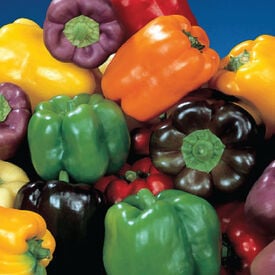
The Rainbow Blend Bell is an assorted mixture of 7 colorful bell pepper varieties. This blend of bells contains a full range of colors with 7 varieties of top-quality, vigorous hybrids of red to green, orange, yellow, chocolate, lilac, ivory and purple! Enjoy your peppers together in a colorful dish with this excellent sweet bell pepper blend!
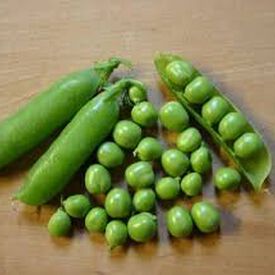
The Early Alaska Pea is an old heirloom that, just like its name suggests, thrives in the colder climates. This variety does great in early spring or short season plantings. The vines are cold hardy and can grow to 30." This pea plant yields 3 1/2” pods filled with 6-7 delicious medium sized peas that are excellent for fresh eating or freezing for later use.
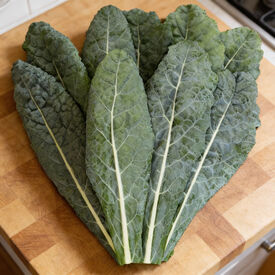
Lacinato kale, also known as dinosaur kale or Tuscan kale, is a leafy green vegetable characterized by its long, dark green, crinkled leaves. The leaves have a distinctive bumpy texture and are often a deep, rich shade of green, sometimes with a bluish tint. They grow on tall, upright stalks and have a slightly sweeter and milder flavor compared to other kale varieties. This type of kale is prized for its versatility in the kitchen. It can be eaten raw in salads, blended into smoothies, sautéed, or added to soups and stews. Lacinato kale holds up well to cooking without losing its texture, making it a favorite for both chefs and home cooks alike. Nutritionally, it's packed with vitamins A, C, and K, as well as minerals like calcium and iron, making it a powerhouse of health benefits. Its striking appearance and robust flavor make Lacinato kale a standout choice for any dish!
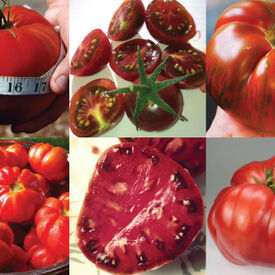
The Heirloom Collection is a mixture of some of our favorite and best tasting heirloom tomatoes. These old fashioned, great tasting heirloom tomatoes are sure to please your tastebuds! We have chosen the most popular, tried and true heirlooms around. These tomatoes have been passed down for generations because of their exceptional taste, growth habits, yield, disease resistance and more! The collection includes a packet of each of the following: Delicious - Once held the world record for largest tomato grown. A huge beefsteak that is large and fairly crack resistant. Black Cherry - One of the most delicious cherry tomatoes around! The only truly black cherry tomato. Chocolate Stripes - Mahogany color with dark brown stripes. A luscious bicolor tomato with a sweet earthy flavor. Cherokee Purple - A purple tomato that is a favorite heirloom amongst gardeners. Absolutely the best taste of any tomato around. Costoluto Genovese - An old Italian preserving tomato. Works great for sauces and paste. German Giant - A giant potato leaf heirloom tomato. A deep pink fruit that grows up to 30+ ounces.
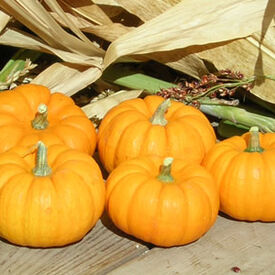
The Jack Be Little is a small pumpkin that is popular in many floral arrangements! This new miniature pumpkin is ideal for small Jack'O Lanterns and other decorations. These easy to grow plants bear several small pumpkins per plant. The Jack Be Little pumpkins are edible, but are more highly valued for their decorative value and will last for months if properly cured!
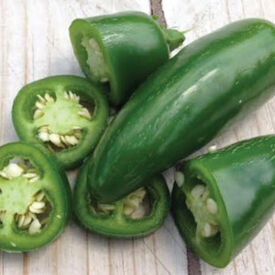
Get a head start with the early maturing Early Jalapeno Pepper. This pepper variety continuously produces a dark green, thick skin that forms to the shape of a cone. Enjoy the Early Jalapeno fresh or pickled on salads, dips or tacos!
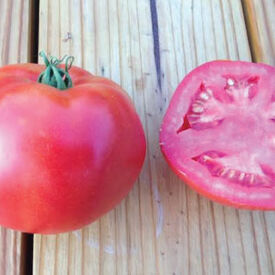
The Rutgers Tomato produces an intense, red colored, round fruit that is a proven variety that excels at canning and slicing. This highly productive, open pollinated heirloom tomato is one of the earlier maturing tomato varieties and has been around since 1934. Rutgers grows on a strong vine and can weigh anywhere from 6-12 ounces. The first maturing tomatoes tend to be smaller while later maturing tomatoes are larger. This tomato has a beautiful flesh inside with a good ratio of flesh to gel with a few seeds for each slice. This variety holds well when sliced making it great for sandwiches! The Rutgers tomatoes were originally developed by a Rutgers University scientist named Lyman G. Schermerhorn in co-operation with the Campbell's Soup Company. The tomato was developed by crossing Marglobe with a variety called JTD. As time went on, the Rutgers became the most famous tomato worldwide and once made up over 70% of the tomatoes being processed in the United States.
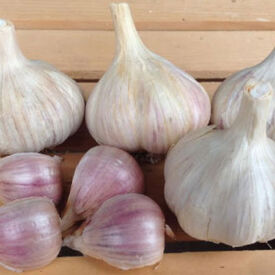
Romanian Red garlic produces 4 to 5 large cloves per bulb. This variety's bulbs are a beautiful cream white with shades of purple skins. Once harvested, these whole bulbs will store for months. Romanian Red produces a delicious flavor that is pungent and long-lasting.
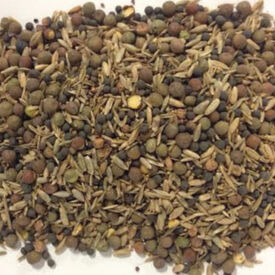
A multipurpose cover crop blend that is sowed in fall! This wonderful blend will help with nitrogen fixation, adding organic matter and weed suppression. Contains a blend of Austrian Field Peas, Crimson Clover, Hairy Vetch, Annual and Winter Rye. Cut right after flowering in spring and till into soil for green manure. (30% Field Pea, 20% Crimson Clover, 20% Hairy Vetch, 15% Annual Rye, 15% Winter Rye) Seed Coverage: - 5 lbs covers 2,000-4,000 sqaure feet - 100 lbs covers 1-2 acres Uses: Green Manure, Nitrogen Fixation, No Till, Organic Matter (Biomass), Weed Suppression
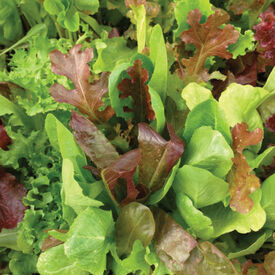
The Garden Leaf Blend is a colorful mix of our very popular lettuce varieties. This blend is a great mixture of lettuce varieties that mature at different times and have multiple colors to give your salad bowl a full pop of color! The Garden Leaf Blend includes Black Seeded Simpson, Oakleaf, Parris Island Cos, Tango, Red Romaine, Ruby and Lolla Rosso Darky
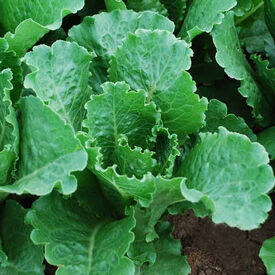
The Crisp Mint Lettuce is a big romaine variety with mint green-colored leaves that will be sure to stand out in any home garden! This bold lettuce is only mint in color, not taste. However, its sweet and crunchy leaves will be a favorite addition to any salad or sandwich. Crisp Mint's heads will reach 10 inches tall making it perfect for a container garden!
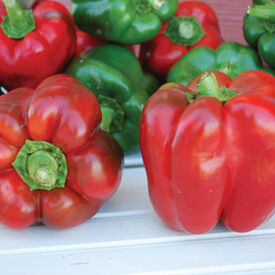
The King of the North Pepper is the most reliable bell pepper for northern gardeners. These sturdy plants produce heavy yields of blocky, thick walled, 3-4 lobed peppers that ripen from green to red. This pepper variety is excellent cooked in any recipe or raw for fresh eating. King of the North is sure to be the new KING in your garden!