Learn More
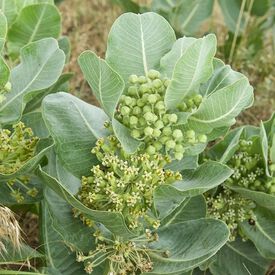
Western Sand Milkweed (Asclepias arenaria), also known as Sandhill Milkweed or Dwarf Milkweed, is a hardy, drought-tolerant species native to the sandy plains and prairies of the central and southwestern United States, where it has long supported pollinators and played a role in Indigenous plant knowledge. This milkweed forms upright stems with soft, velvety, blue-green leaves and produces clusters of pale greenish-white flowers that are highly attractive to monarchs, bees, and other beneficial insects. Adapted to arid, shifting soils, it thrives in full sun, well-drained sandy or loamy ground, and low-water conditions, making it ideal for xeriscapes and native plant gardens. For best results, stratify seeds before sowing, plant them shallowly, and avoid overwatering—Western Sand Milkweed prefers lean soils and rewards minimal care with strong growth and prolific blooms.

Asclepias incarnata ‘Ice Ballet’, often called White Swamp Milkweed, is a selected form of the native Swamp Milkweed long found along wetlands, marsh edges, and moist prairies across North America, where it has served for generations as an essential host plant for monarch caterpillars. This cultivar stands out for its showy clusters of pure white, vanilla-scented flowers that bloom in midsummer, contrasting beautifully with its upright stems and narrow, deep-green leaves. Like the species, it thrives in full sun and prefers consistently moist soils—though it will tolerate average garden moisture once established—and it attracts a wide range of pollinators. To grow ‘Ice Ballet’, sow seeds in full sun and moist, fertile, well-drained soil, giving them natural winter stratification or refrigerating them before planting; over time, it forms a robust, long-lived clump that returns each season with elegant, pollinator-rich blooms.
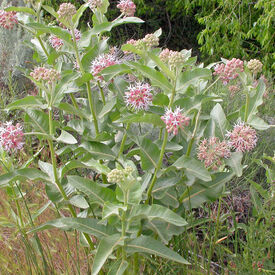
The Showy Asclepias is just like its name, a beautiful showy plant that is an excellent nectar sources for butterflies and hummingbirds! This Butterfly Weed variety is similar to Common Milkweed, but its pinkish-purple flowers have longer petals that taper more and are covered with fine hairs. The Showy Asclepias will attract butterflies and hummingbirds, especially Queen and Monarch butterflies. This plant is aggressive and should be thinned every year.
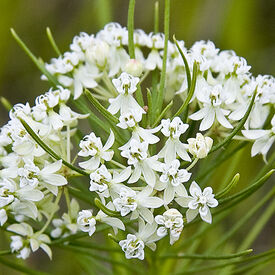
The Whorled Asclepias is a beautiful brilliant white flower that will grow anywhere and bees, butterflies and hummingbirds love it! This Butterfly Weed variety is native to the Midwest but can grow almost anywhere is the USA and provides nectar to many pollinators. This easy to grow, attractive perennial blooms mid to late summer and will spread easily without thinning.
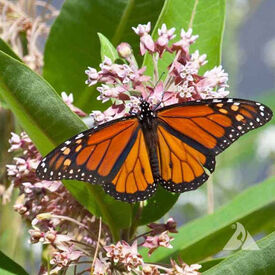
The Common Asclepias, also known as Butterfly Weed or Common Milkweed, is the only plant that Monarch butterflies lay their eggs on! This variety provides an abundant food source for Monarchs, but have been declining in the recent years due in part to suburban development and the increased efficiency of herbicides. The Common Asclepias spreads readily by seed and underground rhizomes and its taproot can withstand drought. This Butterfly Weed is one of the easiest and fastest to establish of the Milkweeds. Enjoy watching beautiful Monarchs visit on a daily basis!
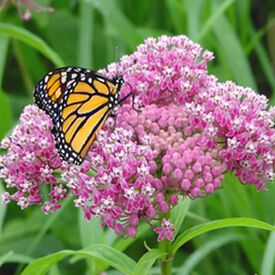
Despite its name, the Swamp Asclepias is one of the most vibrant and beautifully colored milkweeds around for the home gardens! This Butterfly Weed's red blooms are beautiful and will attract butterflies and hummingbirds to your garden. This perennial thrives in zones 3-8 and will produces its willowy foliage and cherry-red blooms that can be enjoyed all summer long!
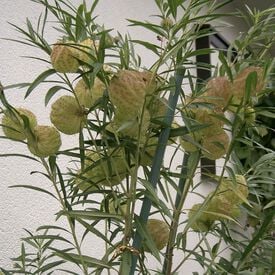
Asclepias physocarpa, commonly known as Swan Plant Milkweed, Balloon Plant, or Hairy Balls Milkweed, is a distinctive African species that has become popular in warm-climate gardens and butterfly habitats for over a century due to its unusual, inflated seed pods and its value as a host plant for monarch caterpillars. The plant features upright, branching stems lined with narrow, lance-shaped leaves and topped with clusters of small, white to pale pink flowers that attract a range of pollinators. After blooming, it forms its signature green, balloon-like pods covered in soft hairs—an eye-catching ornamental trait. To grow Swan Plant Milkweed, sow seeds in full sun and well-drained soil, keeping conditions warm for good germination; in frost-free regions it grows as a perennial, while in cooler climates it is treated as an annual. Once established, it is fast-growing, drought-tolerant, and a reliable food source for monarch larvae.
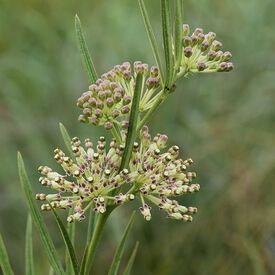
Hirtella Asclepias, more commonly known as Hirtella Milkweed or sometimes grouped under Asclepias hirtella and Tall Green Milkweed, is a native prairie species historically found across the central United States in moist to moderately dry meadows, savannas, and open grasslands. It is recognized for its tall, slender stems topped with rounded clusters of pale green to yellow-green flowers that attract a wide variety of pollinators, including bees, butterflies, and monarch caterpillars. The narrow, grass-like leaves give it a delicate, airy appearance, making it an elegant addition to naturalistic plantings. To grow Hirtella Milkweed successfully, plant seeds in full sun with well-drained to moderately moist soil and allow them to undergo natural winter stratification—or refrigerate them prior to sowing. Once established, it becomes a hardy, long-lived perennial that offers both ecological value and subtle ornamental beauty.
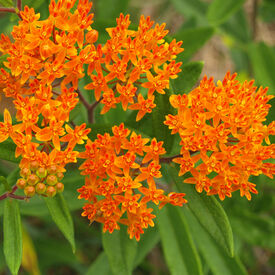
The Butterfly Asclepias is sun-loving, easy to grow and blooms brilliant, vibrant orange colored blooms that will attract may pollinators to the garden. This stunning variety and can reach 2' feet tall. Sow in early January for first year blooms.
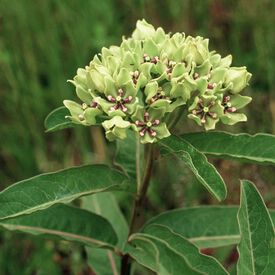
Asclepias viridis, commonly known as Spider Milkweed or Green Milkweed, is a native North American species with a long ecological history tied to grasslands and prairies of the central and southern United States. Its distinctive greenish-white flowers arranged in rounded clusters give it a spider-like appearance, attracting a wide array of pollinators, especially butterflies, and serving as an essential host plant for monarch caterpillars. Spider Milkweed forms a deep taproot, allowing it to thrive in dry, rocky, or sandy soils, and its thick, upright stems bear broad, smooth leaves that take on a bluish hue. Appreciated for its drought tolerance, wildlife value, and unique ornamental look, A. viridis has become an increasingly popular choice in native and prairie-style plantings.