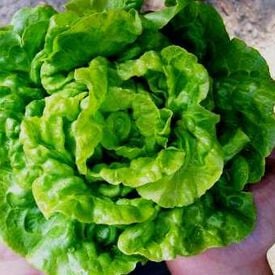
The Tom Thumb Lettuce is a tennis ball sized Bibb type with a great flavor! This slightly savory, bright green lettuce produces small compact heads that have slightly crumpled leaves with a sweet, delicate flavor. One head will make a salad for two! Tom Thumb will grow beautifully in small pots, window boxes, hanging baskets and planted under trees. This variety is the oldest American lettuce still grown, dating back to 1830's! This rare find is a good one!
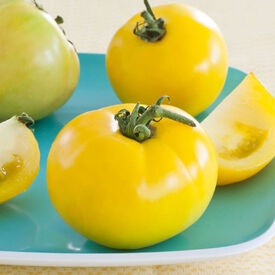
A standout yellow tomato with exceptional flavor and improved performance. This updated version of the classic Lemon Boy offers enhanced disease resistance along with a bright, sweet-tangy taste that outshines many traditional yellow varieties. The flattened, round beefsteak fruits average 7–8 ounces and are uniform in size and shape with smooth, mostly blemish-free skin and good firmness. Plants are high yielding and widely adaptable thanks to a strong disease-resistance package that helps keep vines healthy and fruit clean. Harvest at a bright lemon-yellow stage or allow fruits to deepen to a rich golden color with a slight blush at the blossom end for fuller sweetness. Pick slightly early if you prefer a sharper, more acidic bite. Indeterminate plants produce over a long season.
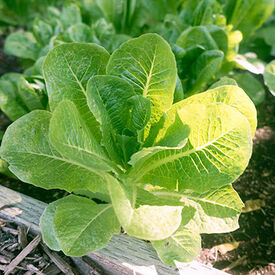
The Little Caesar Lettuce is a very attractive tall romaine type with crisp, bright green outer leaves and golden-blanched inner leaves. This lettuce has a sweet, crunchy flavor that is delicious on any sandwich or salad. This variety is easy to grow and is perfect for smaller gardens. Little Caesar is best picked right before eating.
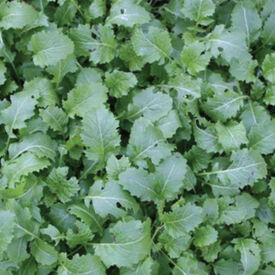
Dwarf Essex Rape (Brassica napus) is a fast-growing, cold-hardy forage crop commonly used for livestock grazing, wildlife food plots, and soil improvement. This leafy brassica produces high-protein, highly digestible forage that remains palatable even in colder temperatures, making it an excellent choice for fall and winter grazing. It is drought-resistant and can thrive in various soil types, providing a nutritious food source for deer, cattle, and other grazing animals. Additionally, its deep root system helps improve soil structure and reduce erosion. Due to its rapid regrowth, Dwarf Essex Rape is a valuable option for sustainable pasture management.
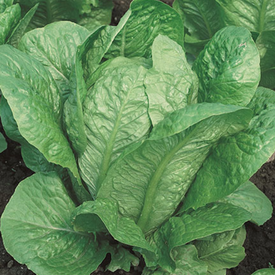
The Vivian lettuce is a tightly bunched romaine with broad dark green crisp leaves. Its leaves are 12-16 in. long and 4-6 in. across. Vivian is bolt resistant and suitable for commercial and home growers. Its erect dark green leaves are great for baby leaf production.
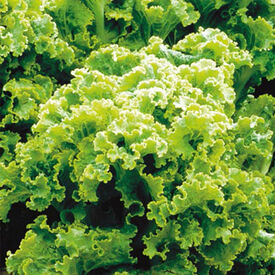
Green Ice is a crispy loose-leaf lettuce that does well in hot weather! This variety produces an abundance of crunchy loose leaves. Green Ice's leaves are curled with deep green color. This lettuce is ready in just 45 days, it is among the earliest, yet will last well into summer thanks to its superior heat tolerance. Green Ice is one loose-leaf that just won't bolt!
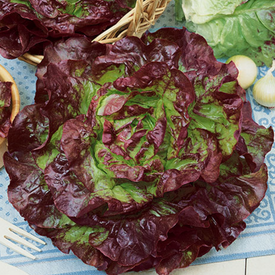
Carmona Red is a favorite among many market growers! This lettuce variety produces big, bright red heads with lime green hearts. The Carmona Red has a nice silky texture and is very disease resistance.
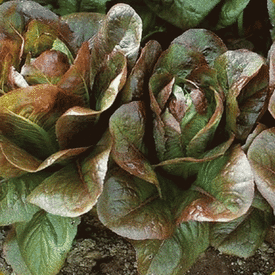
Rouge D'Hiver Lettuce is a beautifully multicolored French heirloom romaine. This variety's green leaves are tinted with medium-red color at the tip. Rouge D'Hiver is not just beautiful, but it is also very tasty and very easy to grow. This lettuce is a home favorite for resisting heat and cold stress if well watered. This variety has been recently resurrected.
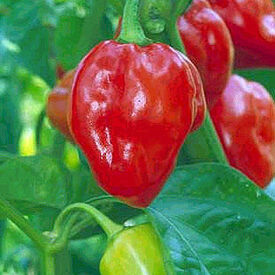
Caribbean Red Habanero is one of the hottest peppers available! This habanero is a wrinkled, red hot pepper that needs to be handled with caution! This variety can be picked green at around 70 days, but for a sweeter flavor, allow them to turn red!
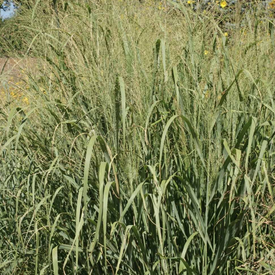
Switchgrass is a rhizomatous, warm-season bunchgrass that is native throughout most of the U.S. It is a major component of the Tallgrass Prairie ecosystem. Alamo originates from Live Oak County, Texas. It is late maturing and was developed as a renewable biofuel resource for the southern U.S. Recommended for pasture mixes, erosion control and soil stabilization. It also provides good nesting habitat, cover and food for many different types of wildlife.
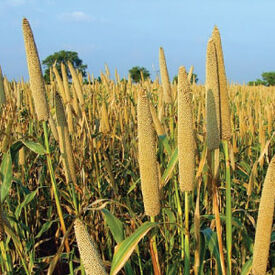
The Pearl Millet is a very tall grass that can reach to be 15 feet tall that is used as a multiple cut forage grass and green manure. This grass is high in protein, digestible and free of prussic acid. The Pearl Millet is perfect used for hay, pasture and silage for feeding cattle, horses, goats and other livestock. The Pearl Millet is also a very good green manure that is well adapted to low soil moisture, low fertility and high temperatures. Uses: Erosion Control, Green Manure, Nitrogen Scavenger, No Till, Organic Matter (Biomass), Weed Suppression
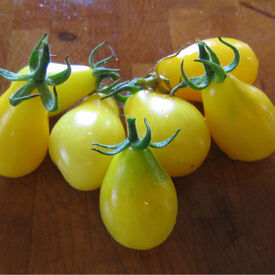
The Yellow Pear is a plentiful yellow pear-shaped tomato that is vigorous and an extremely old heirloom. This tomato variety is very popular for both home gardens and markets, as it is as rich in vitamins as it is flavorful! The Yellow Pear's growth is fairly tall, so provide some staking or caging. This deliciously tangy tomato adds as pop of color in salads, sliced on a plate or in preserves, as it looks great on a summer hors d'oeuvre platter. The large plant of the Yellow Pear prolifically produces oodles of tiny yellow pear-shaped fruit with its favored flavor!
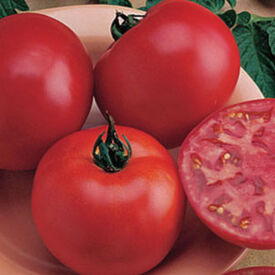
The classic Burpee's Bush Big Boy Tomato is the same large, juicy favorite but has been made even better, especially for small-space gardeners. With this variety, you get the same number of tasty, big red tomatoes (10 to 11 oz. each), with the same sweet, aromatic, melt-in-your-mouth juiciness as the original, but the compact plants are only half the size!
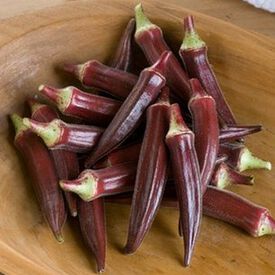
The Red Burgundy Okra is a deep red variety that produces a tender and delicious pod. This productive burgundy red okra adds a nice crunch, delicious flavor and beautiful color to any soup or stew, especially gumbo!
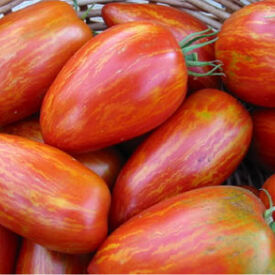
The Speckled Roman is a plum shaped tomato with a great flavor! This tomato variety is a beautiful colored tomato and when mature, has a bright red skin with golden streaks. This meaty tomato has a thick flesh that is excellent raw in salads, and cooks quickly into different sauces.
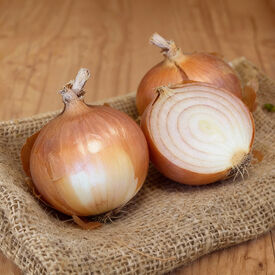
Caliber is a late-season yellow long day for the western United States known for vigor, disease resistance, yield, and storage capabilities. Caliber is a Celebrate hybrid with a healthy plant with solid roots and strong and erect tops that assist in providing thrips tolerance and make applications easier. Caliber has a consistent rich bronze scale in super colossal bulbs with single centers that do very well with a mechanical harvest. Caliber has a reputation for storing very well long term. Disease Ratings: HT to Pink Root and Fusarium, T to Bolting and HT for Thrips
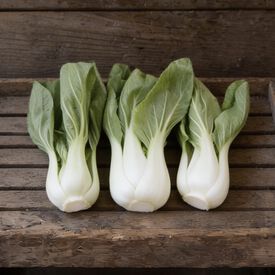
White Stem Pak Choi, also known as Bok Choy or Pak Choi, is a versatile and popular Asian cabbage variety with origins in China. This leafy green vegetable has been cultivated for centuries, appreciated for its tender leaves and crisp, white stems. Characterized by its vibrant green, broad leaves and smooth, white stalks, White Stem Pak Choi is both visually appealing and nutritious. The flavor is mild and slightly sweet, making it a popular choice in stir-fries, soups, and salads. Harvesting typically occurs 45-60 days after planting, when the plants reach a height of about 12-18 inches, and can be done by cutting the entire plant or picking individual leaves. White Stem Pak Choi thrives in cooler weather, preferring well-drained soil and full sun, making it suitable for spring and fall planting. Its rapid growth and ability to produce multiple harvests, combined with its rich content of vitamins A, C, and K, make it a favorite among gardeners and cooks alike. Overall, White Stem Pak Choi is valued for its crisp texture, mild flavor, and adaptability in a variety of dishes.
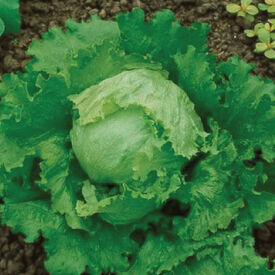
Great Lakes 118 lettuce is a classic butterhead variety that has gained popularity among gardeners since its introduction in the mid-20th century. Known for its compact, dense heads and vibrant green, slightly crinkled leaves, this lettuce offers a pleasing texture and rich, buttery flavor. The taste is mildly sweet and crisp, making it ideal for salads and sandwiches. Harvesting typically occurs around 60-75 days after planting, when the heads are firm and fully developed; gardeners can either cut the entire head or pick individual leaves as needed. Great Lakes 118 thrives in cooler temperatures and well-drained soil, making it a favorite choice for spring and fall planting, and it’s particularly valued for its ability to withstand heat and maintain flavor.