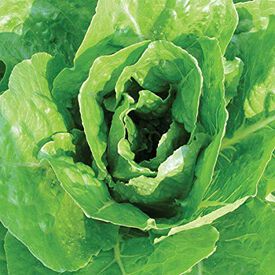
The Giant Caesar Lettuce is an amazing bright green looseleaf romaine type that has a buttery sweet flavor similar to a butterhead. This variety's large leaves are easy to pick without any tearing or bruising. The Giant Caesar is heat resistant and will hold its color and flavor well.
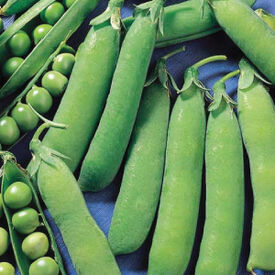
Wando pea seeds are a popular heirloom variety known for their cold tolerance and early harvest. They produce vibrant green, sweet-tasting peas that are perfect for fresh eating, freezing, or cooking. The seeds grow into plants that are typically 18-24 inches tall, making them ideal for small gardens or containers. Wando peas are well-suited for cooler climates, as they can withstand light frosts and thrive in temperatures between 55°F and 75°F. With a quick maturation time of about 60-70 days, they are a great choice for gardeners looking to enjoy peas early in the growing season. Their resilience and ease of growth make them a favorite among both beginner and experienced gardeners.
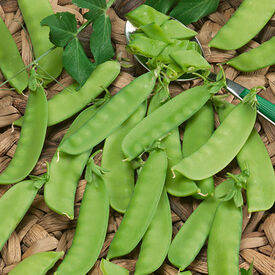
The Mammoth Melting Pea is a snow pea that adds the perfect mouthwatering crunch to any salad! The 5-6 foot tall vines require trellising for support. This variety's large sweet pods thrive in the cooler weather. Add a fresh pop of bright green to any garden or dish with the Mammoth Melting! Certified Organic. Learn more about our organic seeds.
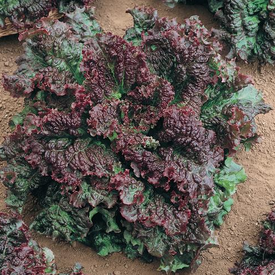
The Gabriella is a loose leaf lettuce variety that has beautiful deep wine colored leaves. This variety's purple leaves are frilly and sweet -- perfect for adding a pop of color to salads! The Gabriella's leaves are delicious from mesclun size to maturity. This variety is heat resistant and slow bolting.
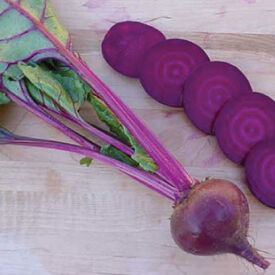
The Ruby Queen is an excellent canning and fresh eating beet! A perfectly round beet that has a smooth buttery texture that is more tender than any other beet. An early maturing beet, 52 days, that grows well in any soil type throughout the country. Ruby Queen can be grown close because they hold their shape well. They can also be grown larger than most beets and still hold good flavor making it a great market beet. An All American Selection winner!
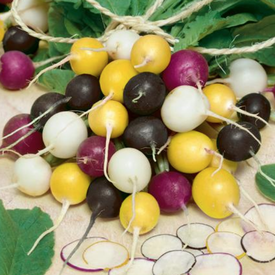
The Halloween Mix contains a "spooky" mix of purple, yellow, black and white radishes. These radishes are mildly spicy and only 5 centimeters in diameter. Everyday can be a scary fun holiday if you succession plant this mixture every two weeks throughout the spring and fall! This radish mix will bring lots of colors to your dishes.
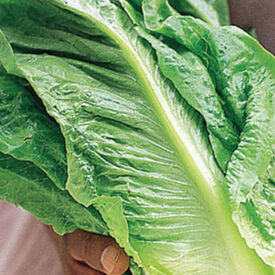
The Parris Island Cos is an heirloom romaine lettuce that is great for home and market gardens. This variety is a great lettuce commonly used for baby leaf production. Parris Island Cos is a fast maturing lettuce that makes an excellent tasting head. Its uniform upright, grey-green heads are 8-12" tall and have slightly savory leaves and are medium-slow to bolt.
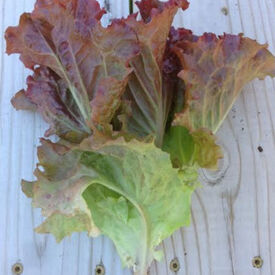
The Ruby Red Lettuce is an early variety that produces good yields of bright green to ruby red colored leaves. This beautiful variety is a very heat tolerant lettuce that is slow to bolt. Ruby Red's color does not fade in the hot weather! This lettuce is excellent for adding color to salads or garnishes.
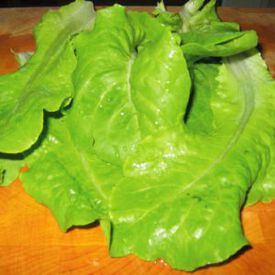
Buttercrunch lettuce seeds produce a popular variety known for its crisp, tender leaves and sweet, buttery flavor. This heirloom variety features thick, light green leaves that form a loose, rosette shape, making it visually appealing in the garden and on the plate. Buttercrunch lettuce is known for its ability to tolerate heat better than many other lettuces, which allows for extended growing seasons. The leaves are slightly wavy and have a delicate texture, making them perfect for salads, sandwiches, and wraps. They also hold up well in dressings, adding a delightful crunch. When grown from seed, Buttercrunch lettuce typically germinates quickly, with seedlings developing into lush heads in a relatively short time. It thrives in cooler weather, making it an excellent choice for spring and fall gardens. Overall, Buttercrunch lettuce seeds offer a reliable and delicious option for home gardeners seeking to enjoy fresh, homegrown greens!
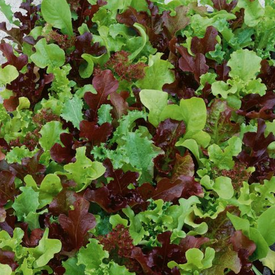
The Mini Greens Blend is a colorful mixture of red and green leaf lettuce varieties that creates a wonderful bright combination. This blend is neither considered a sprout nor true baby leaf lettuce either, these delicious mini greens are somewhere in between! The Mini Greens Blend will give you greens in just 2 weeks from germination to harvest!

The Cosmic Purple carrot is absolutely amazing! This beautiful purple carrot is bright yellow and orange inside! Cosmic Purple carrots have a tapered 7" shape and a very sweet taste, that has extra healthy anti-oxidants. This carrot is quite popular at farmers markets.
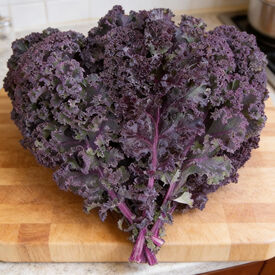
Scarlet kale seeds are a vibrant and intriguing choice for any garden enthusiast looking to add a splash of color and a touch of nutrition to their harvest. These seeds produce kale with striking red and purple leaves that not only brighten up your garden but also provide a visually stunning addition to your plate. Rich in antioxidants, vitamins, and minerals, scarlet kale is as beneficial as it is beautiful. Its bold flavor, with a slightly peppery bite, can elevate a variety of dishes from salads to soups. Easy to grow, these seeds thrive in cooler weather and are resilient to frost, making them a versatile option for extending the growing season. With scarlet kale, you're not just cultivating a nutritious vegetable; you're enhancing your garden's aesthetic appeal with a vibrant, healthful crop.