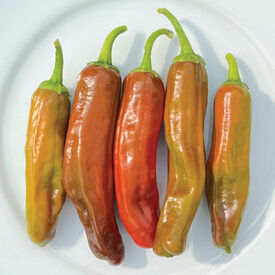
The Pepperoncini Italian is a popular Italian pepper that is a favorite for pickling, cooking or eating fresh. This small bushy plant produces 3-5" wrinkly fruits that have thin walls and a sweet, mild heat. This variety is a delightful all-purpose pepper that can be enjoyed in numerous ways! Pick this pepper at the yellow-green stage for pickling or allow them to ripen greenish-red for eating raw or cooking! This is one of the lowest heat "hot" peppers that we offer, as it has a very slight heat with a more sweet flavor. When the Pepperoncini Italian is pickled, they become addicting!

The Dwarf Grey Sugar Pea is one of our customer favorite peas! Produces an abundance of attractive purple and blue flowers. These flowers are edible, have a light pea flavor and look great on many dishes. The mature peas are very flavorful and is ideal for steaming, stir-frying or eating fresh out of the garden. Dwarf Grey Sugar Pea is suitable for northern and southern regions, as it is tolerant to heat and cold.
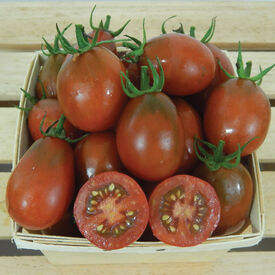
The Black Plum Tomato is a heavy producer and a favorite plum-shaped tomato variety for making different salsa or sauces. This variety produces 2" long by 1" wide tomatoes that weigh around 1-2 ounces. The Black Plum has a black-purple skin with green-shoulders and a very delicious flavor.
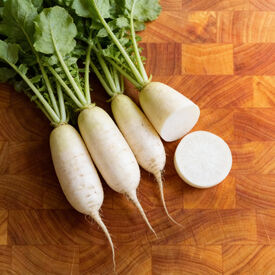
Minowase radish seeds produce a classic Japanese daikon variety with origins in East Asia, where long-rooted radishes have been cultivated for centuries for their productivity and versatility. Known for its smooth white roots that often reach 12–18 inches, Minowase features crisp, juicy flesh with a mild, slightly sweet, lightly peppery flavor that is far gentler than smaller spring radishes. Its clean taste and firm texture make it ideal for microgreens, sprouts, salads, pickling, stir-fries, soups, fermenting, and even grating fresh as a condiment. This variety grows best in cool weather and loose, deeply prepared soil that allows for long, straight roots; sow seeds directly in late summer or early fall, provide consistent moisture, thin seedlings to prevent crowding, and harvest before hard frosts for the best quality.
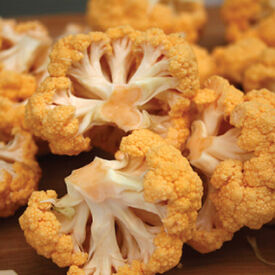
The Cheddar cauliflower lives up to its name with its awesome cheddar color and great flavor! This cauliflower is a novelty, orange curd that is high in beta-carotene. A mid-size plant, domed head, and is very productive in the fall. Fun to watch grow and eat!
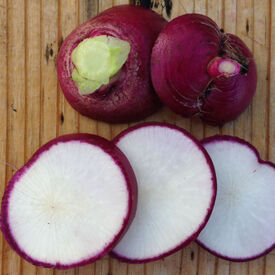
The Purple Plum is an amazing purple skinned radish with a crisp, mild and sweet white flesh! This unique radish is different from the "typical" radish coloring. This small round shaped radish is early to harvest, which makes it great for home and market growers. Purple Plum is a nice variety to blend with other colors in mixes!
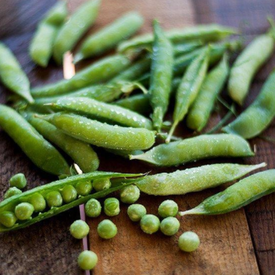
The Knight Pea is the highest yielding, early maturing pea that we have! This pea variety's vines are short and therefore require no staking. Its huge pods can grow to be 4 inches with up to 10 peas in each pod! Knight is a favorite for its tender and sweet flavor, making it the perfect side dish.
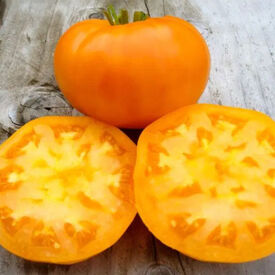
The Amana Orange Tomato is a giant 1 pound beefsteak with a unique bright orange skin and a very juicy with an intensely flavored flesh! Bite into one of these and you won't forget the first time! This very attractive colored tomato looks great with any meal. The Amana Orange tomato has become very popular since it's introduction in the 1980's.
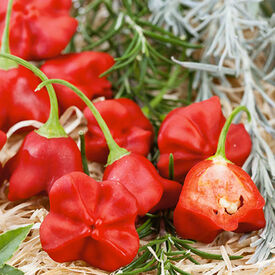
The Mushroom Red Pepper gets its name as it is a bell-shaped hot pepper that will ripen from a lime green to a bright red. This variety is great for pickling or drying and will add a nice hot kick to any dish. This pepper is great for a small garden as it does well in containers. These productive little peppers thrive in tropical regions, but will grow just about anywhere.
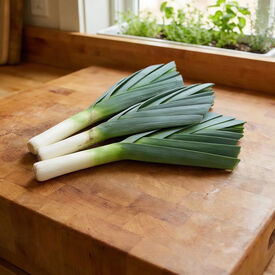
The Large American Flag leek is a non-bulbing leek variety that forms creamy stalks. This leek'15-18" inch stalks are 3" inches wide and are yummy! The Large American is widely adapted and the sweetest member of the onion family.
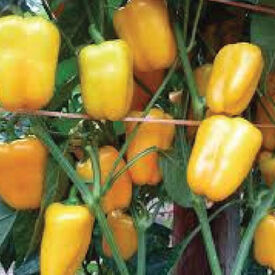
The Yellow Petite Bell Pepper is a mini bell pepper with flavor explosion! This sweet mini pepper variety that is high yielding and ripens to a rich yellow when mature. The Yellow Petite Bell grows to 2-3 ounces which is the perfect snack sized pepper that is excellent for market selling or fresh eating in salads or sandwiches!
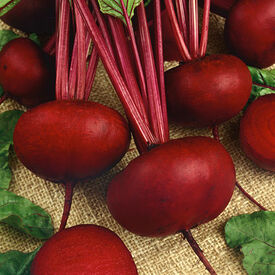
The Crosby Egyptian beet is a standard early bunching beet for table or market, a favorite that is now also available in organic seeds. The flattened heart-shaped roots and dark-red flesh of this beet is equally appetizing as it is beautiful. The Crosby Egyptian is also the largest early variety beet and will keep its shape until fall. Enjoy both the roots and the tops chopped up in a salad! Certified Organic. Learn more about our organic seeds.
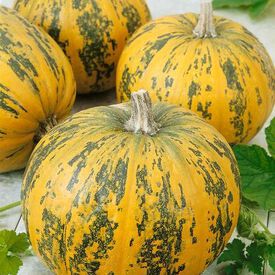
The Pepitas F1 Pumpkin is a very delicious and nutritious improved variety that is named for its hullness, or naked seeds. This pumpkin is amazing eaten fresh in salads or roasted. This variety is not just delicious, but it also makes for a beautiful decoration during the fall season. Each plant produces a high yield of medium-sized, orange fruits with attractive green stripes.
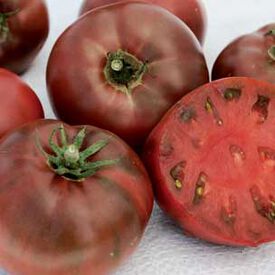
The Carbon Tomato won the “Best Tasting Tomato Award” at the Heirloom Garden Show in 2005 and continues to rate very high in many taste tests! This tomato is one of the darkest of the “black tomato” varieties, and 10-12 oz. in size with a flattened round shape. This purplish-brown, "black" colored tomato has a deep brick red flesh and has a deliciously rich, sweet flavor. The fruit is medium to large, with a slightly flattened shape and a smooth, glossy skin. Carbon tomatoes are celebrated for their robust flavor profile, which blends sweet, tangy, and smoky notes, making them a versatile choice for fresh salads, sauces, and salsas. The plants are indeterminate, meaning they continue to grow and produce fruit throughout the growing season, typically reaching heights of 5 to 7 feet. They exhibit a vigorous growth habit and produce a steady yield of tomatoes from mid-summer to fall. Harvesting is usually done when the tomatoes have fully ripened and developed their deep color. With their rich flavor, striking color, and reliable productivity, Carbon tomatoes are a favorite among gardeners and culinary aficionados alike.
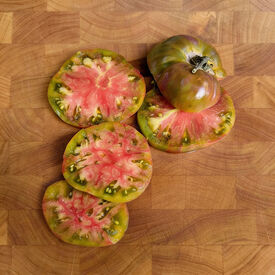
Ananas Noire tomatoes, also known as “Black Pineapple” tomatoes, are a distinctive heirloom variety renowned for their rich history and unique attributes. Originating from France, this variety is celebrated for its striking appearance and complex flavor profile. The name "Ananas Noire," which translates to "Black Pineapple," reflects the fruit's unusual coloration and resemblance to a pineapple in its shape. These tomatoes mature to a deep mahogany color with greenish undertones and have a ribbed, somewhat lumpy texture. The flavor is rich and multi-dimensional, offering a balance of sweetness with tangy, smoky notes, making them a prized ingredient in gourmet dishes and salads. The plants are indeterminate, meaning they continue to grow and produce fruit throughout the growing season, reaching about 6 to 8 feet in height. Ananas Noire tomatoes are typically harvested in late summer to early fall when they have fully ripened and their color has deepened. With their vibrant color, complex flavor, and productive growth habit, Ananas Noire tomatoes are a standout choice for both home gardeners and culinary enthusiasts.
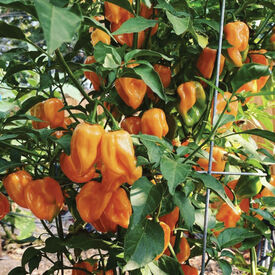
The Orange Habanero Pepper is among the hottest peppers available! This Habanero variety speaks for itself as it is one of the most well known peppers for its hotness. The Orange Habanera will mature from a silvery green to a bright orange color.
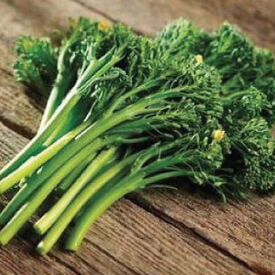
Aspabroc broccoli seeds grow into a unique hybrid vegetable developed in the early 1990s by crossing standard broccoli with a Chinese kale-gai lan variety, resulting in what’s often called “broccolini.” This plant produces slender, tender stems topped with small, loose florets that resemble asparagus in shape, hence the name. Aspabroc is prized for its sweet, mild flavor with subtle peppery notes, making it delicious whether steamed, sautéed, stir-fried, or grilled. It thrives in cool-season conditions, preferring full sun and fertile, well-drained soil, with harvests ready in about 50–60 days after transplanting. Known for its extended harvest period, plants continue producing side shoots after the main head is cut, giving gardeners a steady supply. Its unique history, high nutritional value, and gourmet quality make Aspabroc a popular choice for home growers and chefs alike.
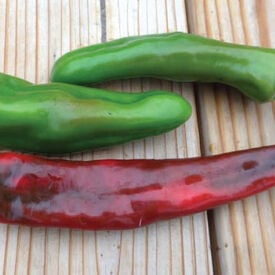
Anaheim Chili is a meaty hot pepper that is great for stuffing. This pepper variety has a mild to medium heat for a chili pepper. Each of these plant produce an abundance of spicy chili peppers that are 5-8" long. Anaheim Chili is great for roasting, stuffing, stews, sauces and eaten raw! A farmer back in the early 1900s bought some of these pepper seeds in Anaheim, California thus giving them the name they have today. Anaheim Chili peppers can be harvested while green or for more spiciness let them turn deep red.