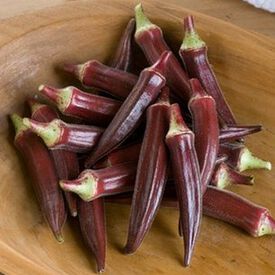
The Red Burgundy Okra is a deep red variety that produces a tender and delicious pod. This productive burgundy red okra adds a nice crunch, delicious flavor and beautiful color to any soup or stew, especially gumbo!
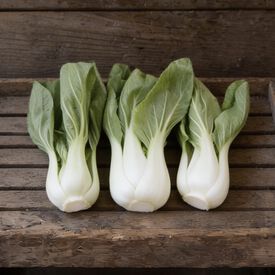
White Stem Pak Choi, also known as Bok Choy or Pak Choi, is a versatile and popular Asian cabbage variety with origins in China. This leafy green vegetable has been cultivated for centuries, appreciated for its tender leaves and crisp, white stems. Characterized by its vibrant green, broad leaves and smooth, white stalks, White Stem Pak Choi is both visually appealing and nutritious. The flavor is mild and slightly sweet, making it a popular choice in stir-fries, soups, and salads. Harvesting typically occurs 45-60 days after planting, when the plants reach a height of about 12-18 inches, and can be done by cutting the entire plant or picking individual leaves. White Stem Pak Choi thrives in cooler weather, preferring well-drained soil and full sun, making it suitable for spring and fall planting. Its rapid growth and ability to produce multiple harvests, combined with its rich content of vitamins A, C, and K, make it a favorite among gardeners and cooks alike. Overall, White Stem Pak Choi is valued for its crisp texture, mild flavor, and adaptability in a variety of dishes.
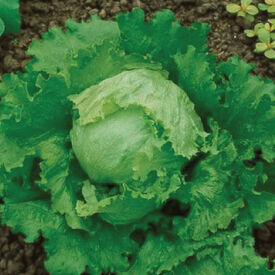
Great Lakes 118 lettuce is a classic butterhead variety that has gained popularity among gardeners since its introduction in the mid-20th century. Known for its compact, dense heads and vibrant green, slightly crinkled leaves, this lettuce offers a pleasing texture and rich, buttery flavor. The taste is mildly sweet and crisp, making it ideal for salads and sandwiches. Harvesting typically occurs around 60-75 days after planting, when the heads are firm and fully developed; gardeners can either cut the entire head or pick individual leaves as needed. Great Lakes 118 thrives in cooler temperatures and well-drained soil, making it a favorite choice for spring and fall planting, and it’s particularly valued for its ability to withstand heat and maintain flavor.
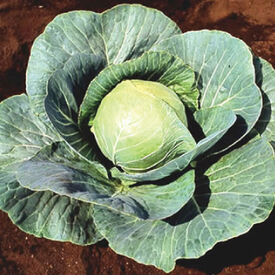
Early maturing cabbage with tight heads! Stonehead is a fast grower with 6" heads that average between 4-6 lbs. when mature. Good texture and flavor. This hybrid resist yellow and black rot very well. A great market variety that matures early, won't split and holds well after harvest. Grows well throughout the United States. An All American Selection winner in 1969.
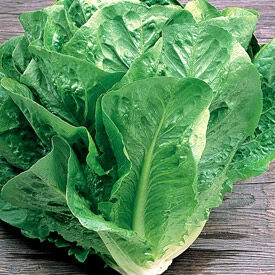
The Green Towers Lettuce is an easy to grow, tasty green leaf lettuce. This lettuce variety offers a mild flavor with an attractive semi-savoyed texture. The Green Towers is a favorite for its adaptability and dense habit! This lettuce will grow great in any climate!
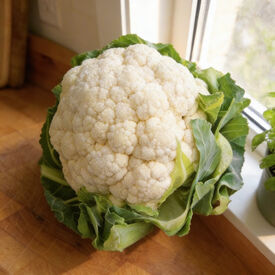
The Snow Crown cauliflower is a delicious, mild and sweet hybrid. This cauliflower's head will get to 7-8 inches across and 1-2 pounds. The Snow Crown is extra early and adaptable and can be harvested in summer or fall. Be careful not to under-fertilize or water, stress can cause a purplish discoloration on the undersides of the head.
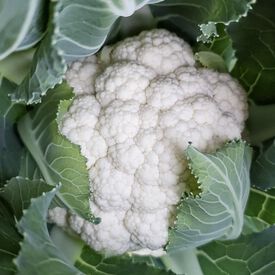
Snowball Y Improved cauliflower is a popular open pollinated variety! This cauliflower is known for its vigorous, rapid growth and long harvest. Its head is snow-white and measures 7-8" inches across. Give this cauliflower fertile soil, full sun and steady moisture and you'll be rewarded with large, delicious heads that are high in vitamin C.
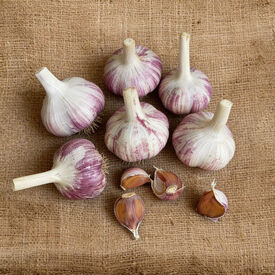
Bogatyr garlic are small and intense. Its bulb wrappers are thick and parchment-like with white skin showcasing purple and violet stripes. As you peel away the outer wrappers, the purple striping intensifies, becoming almost a solid mix of purple hues surrounding the cloves. A single bulb will house five to six plump cloves. The peeled cloves are creamy white and dense. Bogatyr garlic is known for its fiery, raw heat that diminishes quickly to a mild and pleasant flavor.
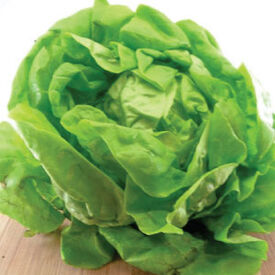
Bibb is a crisp, clean, and easy to grow butterhead lettuce that has light green leaves with the occasional red spots. The crispy heads often self blanch in the center. This lettuce variety is perfect for farmers markets and for the home gardener. This Bibb does well in the heat, yet still grows quickly in our cool weather. Lt. John B. Bibb served in the War of 1812, represented Logan County in the Kentucky House of Representatives and the state Senate from 1827 to 1834. Lt. Bibb was also an amateur horticulturist and developed the Bibb lettuce we know and love today. However, it wasn't offered commercially until 1935.
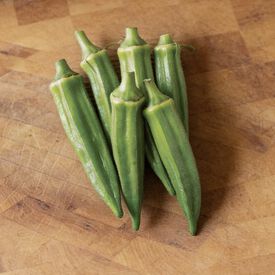
Just like its name, the Jambalaya Okra is the perfect okra for making jambalaya! This variety produces dark green, smaller and more tender pods! This okra is an extra-early maturing variety that boasts a very compact plant with small leaves. Jambalaya offers high yields of very uniform, shiny, dark green pods.
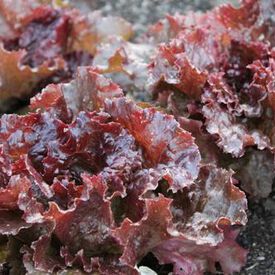
The Red Sails Lettuce is a full rosette type that produces radiant bronze-red, ruffled and deeply lobed leaves that have a mild bitter-free flavor that pairs very well in salads. This slow-bolting lettuce is ready to cut early and holds its quality very well. Red Sails has six times the vitamin A and three times the vitamin C as other supermarket lettuces. This variety thrives in cool weather, but can also grow well in the spring, summer or fall.
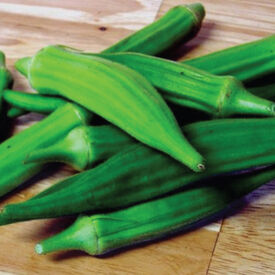
The Emerald Okra is a beautifully bright early maturing okra variety! This okra is an old heirloom variety from the 1950's that was first developed by the Campbell's Soup Company. This variety produces straight okra that keeps its vibrant green color even after being cooked. Emerald Okra is best harvested between 3-4" for the most tender and tasty pods.