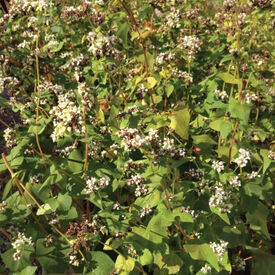
The Common Buckwheat is a grain that can be planted late spring to early summer and improves top soil and an effective choke weed! This variety establishes quickly and matures in 60 days. This buckwheat accumulates phosphorus and and potassium for following crops and is frost sensitive. Buckwheat (Fagopyrum esculentum Moench): Cool Season, Grain, Annual, Upright growth habit, Enhances soil P availability,Crude protein: straw 5%, grain 13% Uses: Bees & Beneficial Insects, Green Manure, No Till, Organic Matter (Biomass), Weed Suppresion
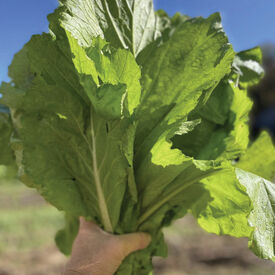
Florida Broadleaf mustard is a classic Southern heirloom variety long valued for its fast growth, large yields, and reliable performance in warm climates. Originating in the southeastern United States, it produces broad, bright green, smooth-edged leaves that can grow 10–12 inches long, forming an upright, leafy plant about 18–24 inches tall. The leaves are tender yet substantial, with a bold, peppery flavor that mellows pleasantly when cooked. This mustard variety thrives in full sun and prefers rich, well-drained soil with consistent moisture. It grows best in cool to mild temperatures, typically between 50–75°F, making it ideal for spring and fall gardens, though it can tolerate light frosts and brief periods of heat.
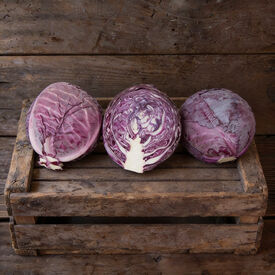
Red Express cabbage seeds produce a variety of cabbage known for its vibrant purple-red color and compact, round heads. This variety is prized for its early maturity, typically reaching harvestable size in about 60-70 days. The heads are tightly packed and dense, with crisp, tender leaves that offer a mild, sweet flavor, making it ideal for both fresh consumption in salads and slaws or for cooking. Red Express cabbage is also known for its resistance to common cabbage pests and diseases, making it a robust choice for home gardeners. Additionally, it provides a good source of vitamins A, C, and K, as well as antioxidants.
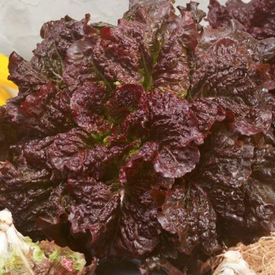
The Merlot is a looseleaf type of lettuce with intense deep burgundy colored leaves. This variety is slow bolting and ideal for cut and come again culture. Enjoy this beautifully colored lettuce in a baby salad mix!
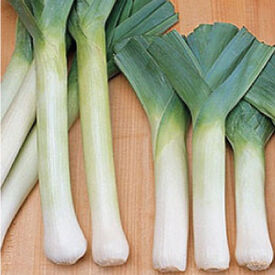
King Richard is a newer leek variety that grows well throughout the United States. This leek variety is a summer type, non-bulbing leek that grows to 12" in length. King Richard has green leaves with white inside. This leek is a very early maturer and is not sufficient for overwinter growing.
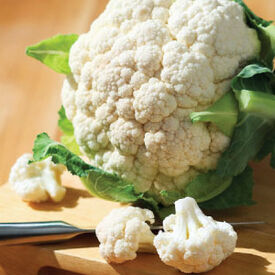
Amazing cauliflower seeds produce a high-yielding, uniform variety known for its large, dense, and smooth white heads. This hybrid cauliflower is prized for its excellent resistance to common diseases and its ability to perform well in a range of growing conditions, from cool climates to slightly warmer environments. With a fast-growing cycle, Amazing cauliflower is ideal for early-season harvests, making it popular among commercial growers and home gardeners alike. The compact, tightly-formed heads are highly marketable and have a delicate, mild flavor that holds up well in both fresh and cooked dishes. Whether grown for local markets or personal use, Amazing cauliflower seeds offer consistent, premium-quality results with minimal care required.
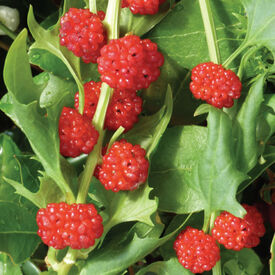
Strawberry Spinach is a delicious fruit that is almost entirely edible. A beautiful plant with showy leaves and berries. It's triangular toothed leaves and tender shoots are great for salads. Shiny red mulberry-like fruits are edible and can be added to salads. Grown in Europe for centuries.
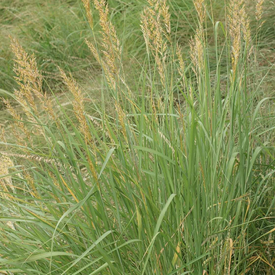
The Indiangrass is a warm-season bunchgrass that is native to central and eastern North America and provides cover and food for wildlife. This grass can reach up to seven feet tall and is a common species of the Tallgrass Prairie. The beautiful, plume-like seed heads are very ornamental making them excellent for prairie and conservation mixtures.
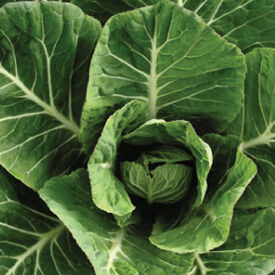
Vates is one of the highest yielding collards around! This collard variety produces dark green leaves that are very delicious. Vates grows to a height of 30" and is very slow to bolt.
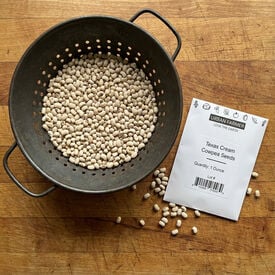
The Texas Cream is a heavy yielding Southern cowpea that is great for fresh shelling. This variety is very similarly to 'Sadandy' but the cowpeas are slightly larger. These bush-type plants are prolific and thrive in hotter, Southern weather. Texas Cream is a "cream pea" type variety, they are generally used at the fresh shelling stage. Treated Seed.
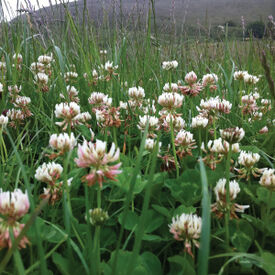
The White Dutch Clover is a perennial clover variety that is a customer favorite for controlling erosion while protecting the soil! This legume is a living mulch of permanent cover that spreads by stolons. Grow low so takes close mowing and grazing. The White Dutch Clover benefits bees and insects as well as fixes nitrogen. Uses: Bees & Beneficial Insects, Chicken Forage, Deer Attractant, Erosion Control, Forage, Green Manure, Nitrogen Fixation, No Till, Weed Suppression
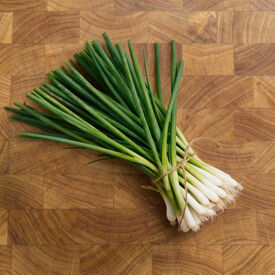
Nebuka Evergreen Bunching onion seeds produce a hardy, non-bulbing variety of green onion that traces its roots to traditional Japanese gardening, where it has long been prized for its reliable, perennial growth. Known for its slender, upright stalks with crisp white bases and tender green tops, this onion thrives in a wide range of climates and can be grown year-round in mild regions. It is quick to mature, easy to grow from seed, and often multiplies by clumping, providing a steady harvest with minimal effort. The flavor is mild yet savory, less pungent than bulb onions, making it ideal for fresh use in salads, garnishes, soups, and stir-fries, while its greens can be cut repeatedly for continuous use in the kitchen. This versatile and dependable onion has earned a place in both home gardens and culinary traditions worldwide.