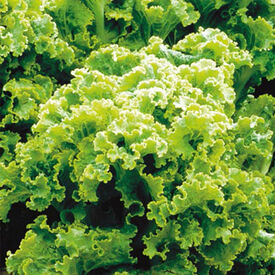
Green Ice is a crispy loose-leaf lettuce that does well in hot weather! This variety produces an abundance of crunchy loose leaves. Green Ice's leaves are curled with deep green color. This lettuce is ready in just 45 days, it is among the earliest, yet will last well into summer thanks to its superior heat tolerance. Green Ice is one loose-leaf that just won't bolt!
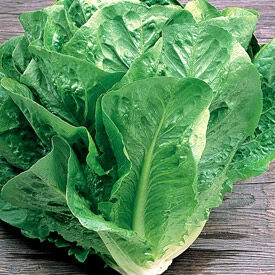
The Green Towers Lettuce is an easy to grow, tasty green leaf lettuce. This lettuce variety offers a mild flavor with an attractive semi-savoyed texture. The Green Towers is a favorite for its adaptability and dense habit! This lettuce will grow great in any climate!
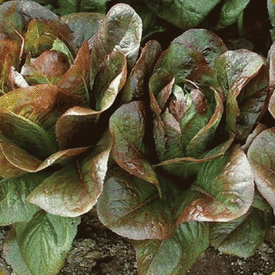
Rouge D'Hiver Lettuce is a beautifully multicolored French heirloom romaine. This variety's green leaves are tinted with medium-red color at the tip. Rouge D'Hiver is not just beautiful, but it is also very tasty and very easy to grow. This lettuce is a home favorite for resisting heat and cold stress if well watered. This variety has been recently resurrected.
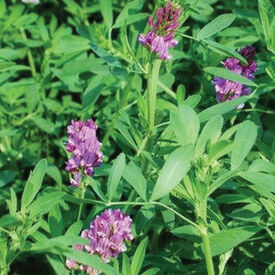
The Common Alfalfa is a somewhat winter hardy perennial legume, but it grows more quickly than other regular alfalfa varieties. As an annual green manure, this cool-season "Summer" alfalfa can produce up to 10 tons of organic matter per acre. Its long taproots break up compacted soil and bring up subsurface minerals. High nitrogen fixation and great bee forage. Alfalfa is basically good at everything, as it great for nitrogen fixation and bee forage! Just look at all it's uses below! Alfalfa (Medicago sativa L.): Cool season, broadleaf, Perennial, Legume (N-fixation), Upright plant growth, Crude protein: hay or silage 14-22% Uses: Bees & Beneficial Insects, Chicken Forage, Compaction Control, Deer Attractant, Erosion Control, Forage, Green Manure, Nitrogen Fixation, Nitrogen Scavenger, No Till, Organic Matter (Biomass), Weed Suppression
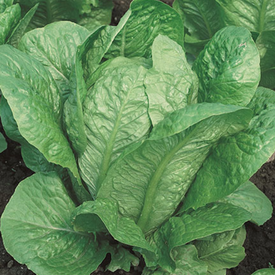
The Vivian lettuce is a tightly bunched romaine with broad dark green crisp leaves. Its leaves are 12-16 in. long and 4-6 in. across. Vivian is bolt resistant and suitable for commercial and home growers. Its erect dark green leaves are great for baby leaf production.
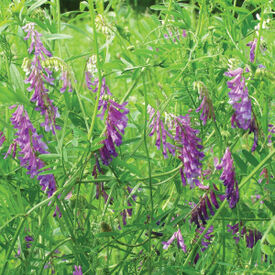
When sown late summer, the Hairy Vetch spring regrowth is vigorous and nitrogen-producing, for tilling in before planting spring garden crops. You can sow with or without grain, grass or field peas! The typical nitrogen produced of this legume is 100 lbs. per acre. The Hairy Vetch has rapid growth that makes it a good weed suppressant. Uses: Bees & Beneficial Insects, Chicken Forage, Deer Attractant, Erosion Control, Forage, Green Manure, Nitrogen Fixation, No Till, Weed Suppression
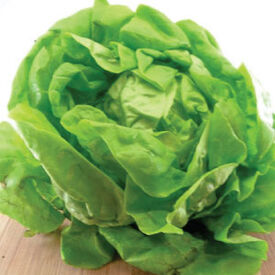
Bibb is a crisp, clean, and easy to grow butterhead lettuce that has light green leaves with the occasional red spots. The crispy heads often self blanch in the center. This lettuce variety is perfect for farmers markets and for the home gardener. This Bibb does well in the heat, yet still grows quickly in our cool weather. Lt. John B. Bibb served in the War of 1812, represented Logan County in the Kentucky House of Representatives and the state Senate from 1827 to 1834. Lt. Bibb was also an amateur horticulturist and developed the Bibb lettuce we know and love today. However, it wasn't offered commercially until 1935.
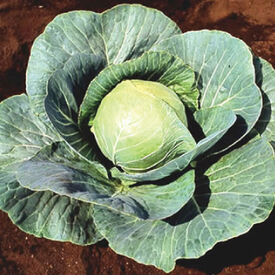
Early maturing cabbage with tight heads! Stonehead is a fast grower with 6" heads that average between 4-6 lbs. when mature. Good texture and flavor. This hybrid resist yellow and black rot very well. A great market variety that matures early, won't split and holds well after harvest. Grows well throughout the United States. An All American Selection winner in 1969.
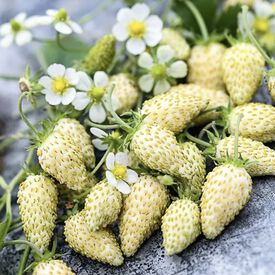
Yes, these mouth watering fruits are real! White Alpines are white, ornately speckled with red seeds. The unique pineapple flavor and aroma more than make up for the small, bite-size fruits. Easily could be a kid's favorite mini-berry to pick and snack. Once you try one of these mouth watering fruits you will have them in your garden for years to come!
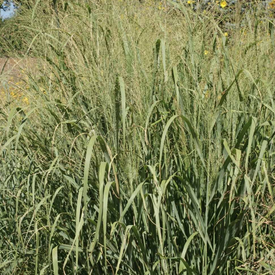
Switchgrass is a rhizomatous, warm-season bunchgrass that is native throughout most of the U.S. It is a major component of the Tallgrass Prairie ecosystem. Alamo originates from Live Oak County, Texas. It is late maturing and was developed as a renewable biofuel resource for the southern U.S. Recommended for pasture mixes, erosion control and soil stabilization. It also provides good nesting habitat, cover and food for many different types of wildlife.
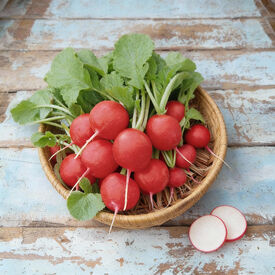
The Cherry Belle Radish is the earliest maturing, garden standard radish. This variety is a 1949 All-American Winner and there is no wonder why. This radish retains its fine eating quality all season. The Cherry Belle is a round, smooth, scarlet beauty. This radish is 3/4" inches across with a crisp, white flesh that is ideal for garnishes or use in salads.
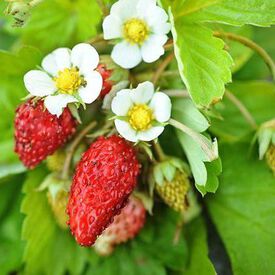
Alexandria is a delicious alpine strawberry that produces delicious fruit. Deep scarlet and fragrant aromatics, these strawberries are the size of wild berries. Alexandria is an everbearing strawberry that can produce the first year if planted early. These day-neutral plants stay compact and produce few runners. Excellent for pots and window boxes.