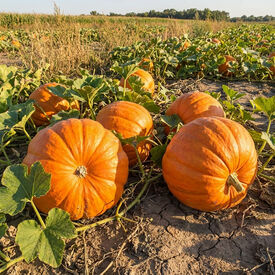
This giant pumpkin delivers bold, eye-catching color and impressive size for standout fall displays. Fruits range from 50–125 pounds, with a radiant orange-red rind, light ribbing, and occasional lighter streaks or tan highlights. Grown on strong, vigorous vines, these massive pumpkins are perfect for carving and make an undeniable statement at roadside stands or in the field. Ready in about 110 days, they pair beautifully with Polar Bear for a dramatic autumn showcase.
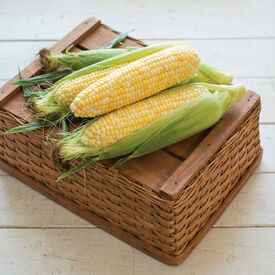
Essence earns its place in our sweet corn lineup as a premium synergistic bicolor with consistently impressive performance. This high-yielding variety produces long, attractive ears measuring 8 to 8½ inches, packed with 16 rows of glossy bicolor kernels that fill cleanly to the tip. The eating quality stands out, offering exceptional sweetness paired with a rich, creamy texture. Ears are well positioned on tall, sturdy 7-foot plants and snap off easily at harvest. A tight, dark-green husk package provides excellent tip cover and protection, contributing to its polished market appearance. Year after year, Essence scores highly in trials for both quality and reliability, supported by intermediate resistance to northern corn leaf blight, common rust, and Stewart’s bacterial wilt.
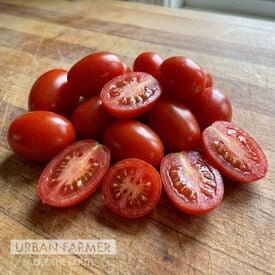
Fantastico tomato seeds produce a vigorous, modern hybrid tomato known for its reliable yields and uniform fruit, making it a favorite for both home gardeners and market growers. Developed for strong disease resistance and consistent performance, Fantastico is an determinate, saladette-style tomato that bears smooth, oval to slightly elongated fruits in generous clusters. Plants mature in about 65–70 days from transplant, offering an early to mid-season harvest with excellent productivity. The bright red tomatoes have firm flesh and thick walls, which hold up well to slicing and fresh use while also performing nicely in cooking. Flavor is well balanced with mild sweetness and gentle acidity, delivering a classic, clean tomato taste that appeals to a wide range of palates.
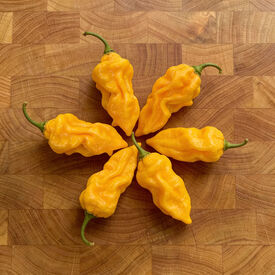
The Devil's Tongue Pepper has an intense heat with a delicious citrus flavor! This unique variety bears long 3" wrinkly textured fruits that ripen to a fiery red! The Scovilles on this pepper range from 125,000 to 325,000, so handle with care! Devil's Tongue is a high yielder, so you can enjoy an abundance of hot sweet peppers.
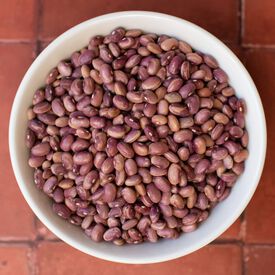
Flor de Junio bean seeds produce vibrant heirloom pole beans traditionally grown in Mexico, known for their striking maroon and white speckled pods and seeds. These vigorous climbing plants can reach a height of 6 to 8 feet, making them ideal for trellises or poles. They mature in approximately 90 to 100 days and are prized for their dual-purpose use as both fresh snap beans when young and dry beans when fully mature. Flor de Junio beans are celebrated for their rich, earthy flavor and resilience, thriving in warm climates with well-drained soil.
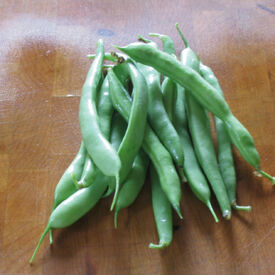
The Mountaineer White Half Runner is a tender half runner bean with succulent white seeds. It boasts terrific yields of old-fashioned, rich "beany" beans that taste and smell terrific. Vigorous plants, big yields. Stringless when young, excellent for baking.
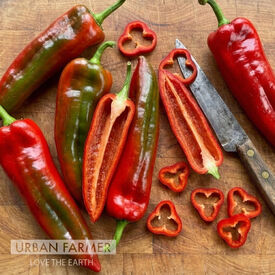
PeppiGrande Red is the first and largest seedless sweet pepper ever bred! Peppigrande pepper seeds produce a sweet Italian frying–type pepper (Capsicum annuum) developed as a modern hybrid for high productivity and uniform quality. A seedless pepper Bred for commercial and home garden performance, Peppigrande is known for its vigorous plants that typically reach 24–30 inches tall and produce heavy yields of long, tapered fruits about 7–8 inches in length. The peppers mature in approximately 70–75 days, ripening from glossy green to deep red, and are prized for their thick walls, crisp texture, and rich, sweet flavor that intensifies when sautéed or roasted. With excellent disease resistance, dependable yields, and attractive fruit, Peppigrande is especially well suited for frying, fresh eating, and market gardens.
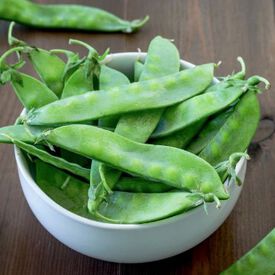
Dwarf White Sugar peas are a compact, heirloom variety of edible-podded peas prized for their sweet, tender pods and early harvest. Growing to just about 2 to 3 feet tall, they require little to no support, making them ideal for small gardens and containers. These peas produce delicate white flowers followed by flat, crisp pods that can be eaten whole, either raw or cooked. Known for their mild, sugary flavor, Dwarf White Sugar peas are often harvested young for the best texture and taste. They thrive in cool weather and are typically among the first vegetables ready to harvest in the spring garden.
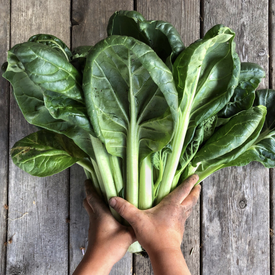
Tatsoi is a flavorful and versatile Asian green that thrives in cooler weather, making it a popular choice for spring and fall plantings. Known for its glossy, dark green, spoon-shaped leaves, Tatsoi has a mild, mustard-like flavor with a slight sweetness, making it a great addition to salads, stir-fries, or as a garnish. Tatsoi seeds produce compact, rosette-shaped plants that grow quickly and are easy to harvest, often within 30 to 40 days. This hardy green is also appreciated for its high nutritional value, offering a rich source of vitamins A, C, and K, as well as calcium and iron. Its adaptability and fast-growing nature make Tatsoi a favorite among both commercial growers and home gardeners looking to add a nutrient-dense and visually appealing crop to their gardens.
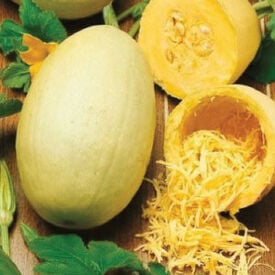
True to its name, the Vegetable Spaghetti Squash allows you to grow your own spaghetti noodles! This bright yellow squash is great to use as a healthy, tasty replacement for "noodles" in various meals. The Vegetable Spaghetti produces its noodles within its flesh inside of itself when cooked.
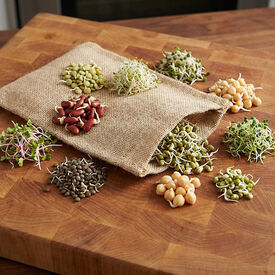
Grow your own fresh, delicious, and highly nutritious sprouts with ease! Simply use the Dip n’ Hang method—dip twice per day in under a minute, then hang to drain or rest in a bowl or dish rack once dripping stops. Watch your sprouts grow and enjoy harvests in as little as 4–5 days. This versatile sprouter works beautifully for mung beans, lentils, chickpeas, green peas, adzuki beans, and more, as well as grains like wheat, barley, rye, spelt, Kamut, quinoa, sesame, and millet. It’s also ideal for broccoli, alfalfa, clover, radish, chives, arugula, cress, and psyllium. The flexible design expands or contracts to suit how much you want to grow, with 1 lb of beans yielding up to 5 lbs of fresh sprouts. Measuring 6 × 10 inches when dry, it hangs easily on any hook or knob and is made from sturdy, durable burlap built to last.
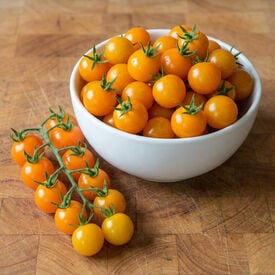
Honeycomb tomato seeds produce a modern hybrid cherry tomato developed for reliable yields and outstanding sweetness. This indeterminate plant bears abundant clusters of small, golden-yellow fruits, typically about 1 inch in diameter, that ripen evenly on the vine. Honeycomb F1 tomatoes mature in approximately 70–75 days and are well known for their high sugar content and excellent crack resistance. The flavor is exceptionally sweet and mild with a smooth, juicy texture, making these bite-sized tomatoes perfect for fresh snacking, salads, and garnishes.
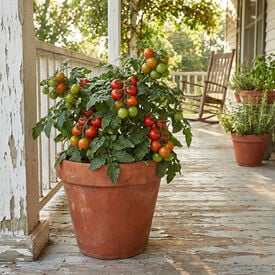
Little Sicily tomato seeds produce a distinctive Italian-style variety inspired by traditional tomatoes grown in southern Italy. This compact determinate, paste-type tomato sets clusters of small, elongated fruits, typically 1–2 inches long, with thick walls and very few seeds. Little Sicily tomatoes reach maturity in about 60-65 days and are valued for their heavy yields and excellent drying and sauce qualities. The flavor is rich, sweet, and concentrated with low moisture, making it ideal for fresh use, roasting, and especially for sauces and preservation. Does great for gardeners with small gardens or grown in containers.
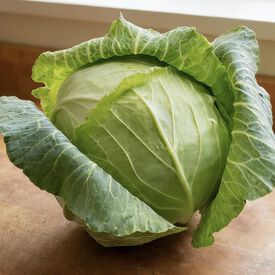
First released in 1909 by H. Hartmann & Company, this historic Danish cabbage has earned its reputation as a dependable garden classic and a benchmark for many modern varieties. It forms dense, well-wrapped heads measuring about 6–8" across and weighing 3–4 pounds, making it an excellent choice for smaller gardens. Plants mature quickly, adapt well to a wide range of growing conditions, and show strong resistance to splitting. Once harvested, the firm heads store exceptionally well—often lasting up to six months—adding to the long-standing appeal of this time-tested heirloom.
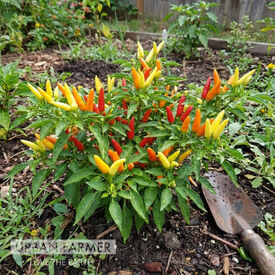
Quickfire pepper seeds produce a hot, cayenne-type pepper (Capsicum annuum) developed for gardeners seeking fast maturity and reliable yields in shorter growing seasons. This modern, hybrid variety is known for its early production and vigorous plants that set heavy crops of slender, slightly curved fruits measuring about 4–6 inches long. Quickfire peppers ripen quickly from green to bright red and deliver a clean, medium-to-hot heat with classic cayenne flavor, making them well suited for fresh use, drying, and grinding into pepper flakes or powder. Plants are typically compact to medium-sized and valued for their uniform fruit set, adaptability, and ability to produce consistent harvests even in cooler or variable climates.
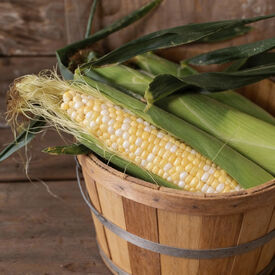
Latte is a dependable first-early synergistic sweet corn that delivers outstanding flavor far earlier than most varieties in its class. Ears are extra-fancy, about 8 inches long, with 14 well-filled rows of beautiful bicolor kernels that combine classic corn flavor with pleasing sweetness and tenderness. Strong cool-soil emergence and excellent seedling vigor make Latte an ideal choice for early plantings, while the long husk provides added protection from birds. Plants reach about 6 feet tall and typically produce a single, high-quality ear, ready in roughly 68 days. Often praised in taste trials for its full ears and exceptional eating quality—traits more commonly found in later corn—Latte proves you don’t have to wait for great flavor. Easy to grow, well suited to staggered plantings, and offering intermediate resistance to rust and Stewart’s wilt, it’s a standout option for kicking off the sweet corn season.

The Bouquet Dill is a zesty microgreen with a tangy dill flavor! This microgreen is one of our favorite zesty flavors to add to salads and sanwiches. The Bouquet Dill Microgreen has a dull tangy dill flavor that is somewhat similar to carrots and cilantro. Days to Harvest: 15-30 Days
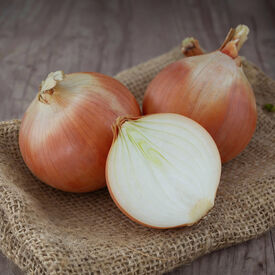
Yosemite onion seeds produce a dependable, open-pollinated storage onion developed for long-day growing regions and valued for its uniform bulbs and excellent keeping quality. Bred from traditional American storage onion lines, Yosemite was selected for adaptability, disease resistance, and consistent yields in cooler northern climates. This variety forms medium to large, round bulbs with golden-brown skins and firm white flesh that offers a balanced, mildly pungent onion flavor ideal for cooking and long-term storage. Yosemite onions thrive in full sun and fertile, well-drained soil, requiring consistent moisture during early growth. Start seeds indoors 10–12 weeks before the last frost or direct sow as soon as soil can be worked in spring, keep beds weed-free, and harvest once tops fall and skins cure for optimal storage life.