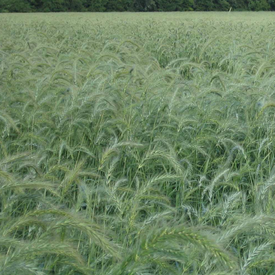
The Canada Wildrye is a cool-season bunchgrass grain variety that can be found throughout Canada and the U.S. except in the southeastern states. It is typically found in prairies, open woods, fields and disturbed sites. This grain tends to be short-lived but provides quick stabilization for erosion control seedings, and it makes a good, early successional component of prairie mixtures. The Canada Wildrye provides quality forage for livestock and wildlife.
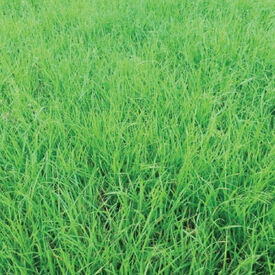
The Annual Ryegrass is a very fast growing grass that makes for a great cover crop as its fibrous roots prevent soil erosion and build organic matter! Plant this grass early fall to late fall, or early to mid-spring and can germinate in cool weather. The Annual Ryegrass established protective cover quickly and over seeds well at higher rates. This grass can scavenge as much as 200 pounds of nitrogen per acre. When used as a spring cover crop, this Annual Ryegrass should be killed before reaching seed formation stage. Ryegrass (Lolium sp.) Uses: Erosion Control, Green Manure, Nitrogen Scavenger, No Till, Organic Matter (Biomass), Weed Suppression
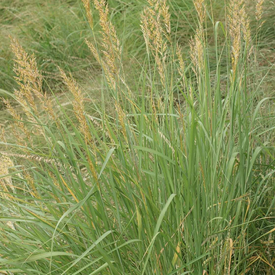
The Indiangrass is a warm-season bunchgrass that is native to central and eastern North America and provides cover and food for wildlife. This grass can reach up to seven feet tall and is a common species of the Tallgrass Prairie. The beautiful, plume-like seed heads are very ornamental making them excellent for prairie and conservation mixtures.
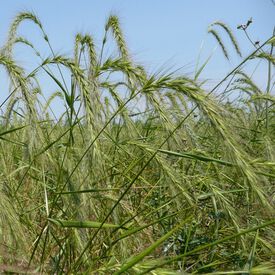
The Mandan Wildrye Grass is a fast growing, cool-season, perennial bunch-grass that is a great choice for erosion control. It can be planted early or late fall, but for best results, Mandan Wildrye should be planted in the spring. This hardy grass performs well on most soil types. The Mandan Wildrye produces and brown seed head and can grow up to 4 feet! Uses: Erosion Control, Forage, Green Manure, Nitrogen Scavenger, No Till, Organic Matter (Biomass), Weed suppression
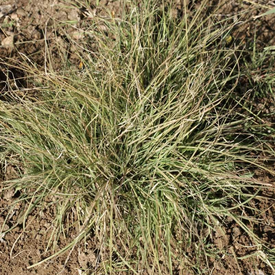
The Buffalo Grass is a warm-season grass that is the predominant component of the shortgrass prairies of the Great Plains. Once established, it is extremely drought tolerant and tough. It can be used as a xeriscape lawn grass for water conservation, and it is a common component in range mixtures. White Tailed Deer, Bison and Prairie Dogs utilize it for forage, and it is a larval host for the Green Skipper. Plants are stoloniferous and can invade flower beds if an edging or barrier is not used.
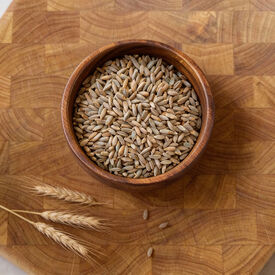
Developed in the mid-1970s by the Polish Plant Breeding Institute in Poznan, Danko Rye was bred specifically for milling high-quality flour used in traditional European-style baking. This hardy winter rye produces large, plump berries that are also prized by brewers and distillers for their rich character and performance as a whole grain. Known for its bold, complex flavor, Danko Rye brings deep, spicy notes and a dense, hearty texture to breads. It offers excellent baking qualities, including strong gluten strength for rye, which helps loaves hold their shape—an important trait for artisan bakers. Its distinctive taste and versatility have made it a trusted favorite for both baking and craft distilling.
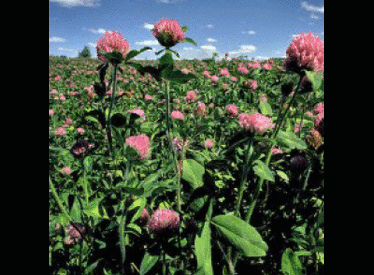
The Mammoth Red Clover is a large, fast growing clover that is an ideal grazing crop and can be sowed in spring, summer or fall! Mammoth Red is a popular biennial clover used for Nitrogen addition and hay crops. This red clover may be the best choice for frost seeding; it is extremely cold hardy and does well in most soils and growing conditions. The Mammoth Red Clover will fix up to 70-110 lbs. nitrogen per acre. This variety's long tap roots loosen soils and mine phosphorus and other nutrients from deep in the soil. Uses: Bees & Beneficial Insects, Chicken Forage, Compaction Control, Deer Attractant, Erosion Control, Forage, Green Manure, Nitrogen Fixation, No Till, Weed Suppression
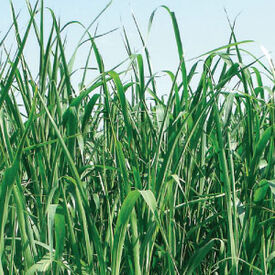
The Piper Sudangrass is a great catch crop for excess nitrogen that produces heavy amounts of organic matter and suppresses weeds. This grass grows quickly at heights up to 7 feet. The Piper Sudangrass is great for livestock forage, but should be grazed only when mature and never after a frost as it turns toxic. Uses: Erosion Control, Green Manure, Nitrogen Scavenger, No Till, Organic Matter (Biomass), Weed Suppression
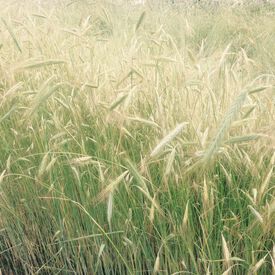
The Winter Rye is a tall grain cover crop that can reach up to be 5 feet tall and prevents erosion and builds organic matter in the soil. This grain can be planted early to late fall and in mild climates, fall through early spring. This grain is the best choice for fast, cool-season germination. The Winter Rye captures soil nutrients in the fall to release in spring when worked into the soil. Uses: Erosion Control, Green Manure, Nitrogen Scavenger, No Till, Organic Matter (Biomass), Weed suppression
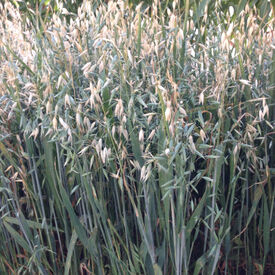
The Jerry Oats is a grain that is a quick growing green manure that will kill off any winter weeds and will hold soil with a mat of vegetation! This high yielding oat can produce over 100 bushels per acre. This grain variety is great for garlic beds and other vegetables. The oats stay green into November and form a mulched bed for spring planting. The Jerry Oats are also great for underseeding with a legume. Uses: Erosion prevention, Green Manure, Nitrogen Scavenger, No Till, Organic Matter, Weed Suppresion
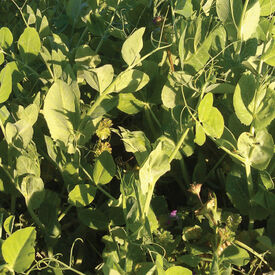
The Secada Forage Pea is a relatively new forage pea that has a wide range of uses such as forage, green manure, weed suppression and more! This forage pea is highly palatable, self-climbing and with high dry matter yields. A fast growing, cool-season annual legume, the Secada Forage Pea performs very well during the fall, winter and spring in Southern states. In more northern climes, an early spring plant will give high dry matter yields of excellent forage. Uses: Chicken Forage, Deer Attractant, Forage, Green Manure, Nitrogen Fixation, No Till, Organic Matter (Biomass), Weed Suppression
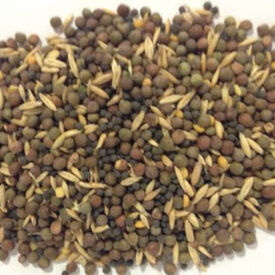
A multipurpose cover crop blend that is sowed in spring! A cover crop blend is great for nitrogen fixation, adding organic matter and weed suppression. This mix will quickly improve soil to maximize the benefits of cover crops for your garden. Should be inoculated for best results. (60% Field Pea, 25% Oats, 15% Hairy Vetch) Seed Coverage: - 5 lbs covers 2,000-4,000 sqaure feet - 100 lbs covers 1-2 acres Uses: Green Manure, Nitrogen Fixation, No Till, Organic Matter (Biomass), Weed Suppression
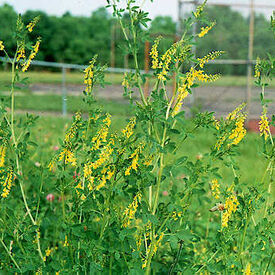
The Sweet Clover is a legume that is exceptional for not only attracting honey bees to the garden, but also creating green manure! This clover can grow nearly anywhere under most conditions. The Sweet Clover is our favorite clover because it is more versatile than other clovers at nitrogen fixating, erosion control and attracting beneficial insects. This variety is slow to establish the first year but comes on fast the following year and can produce up to 170 lb. of nitrogen per acre. The Sweet Clover comes OMRI Pre-inoculated. Uses: Bees & Beneficial Insects, Chicken Forage, Compaction Control, Deer Attractant, Erosion Control, Forage, Green Manure, Nitrogen Fixation, No Till, Weed Suppression
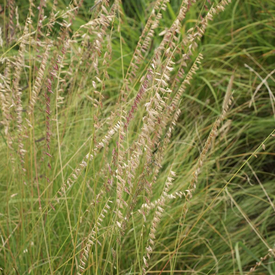
The Sideoats Grama is a warm-season bunchgrass grain variety that is easy to grow and native throughout much of North America. The ornamental and distinctive seed spikes hang from only one side of the stalk, and these make good fresh or dried cuttings. This grain prefers full sun and moderate to dry soils. The Sideoats Grama is recommended for meadow and prairie plantings, beds & borders, and as a component of forage mixes for livestock and wildlife.
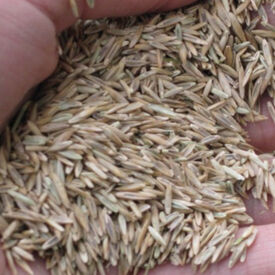
The Frontier Grazer Rye is a grain that makes a great cover crop to prevent erosion and build up organic matter in the soil! Plant this variety early to late fall; in mild climates fall through early spring. The best choice for fast, cool-season germination. The Frontier Grazer Rye captures soil nutrients in the fall to release in spring when worked into the soil. Uses: Erosion Control, Green Manure, Nitrogen Scavenger, No Till, Organic Matter (Biomass), Weed Suppression<
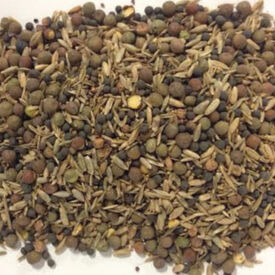
A multipurpose cover crop blend that is sowed in fall! This wonderful blend will help with nitrogen fixation, adding organic matter and weed suppression. Contains a blend of Austrian Field Peas, Crimson Clover, Hairy Vetch, Annual and Winter Rye. Cut right after flowering in spring and till into soil for green manure. (30% Field Pea, 20% Crimson Clover, 20% Hairy Vetch, 15% Annual Rye, 15% Winter Rye) Seed Coverage: - 5 lbs covers 2,000-4,000 sqaure feet - 100 lbs covers 1-2 acres Uses: Green Manure, Nitrogen Fixation, No Till, Organic Matter (Biomass), Weed Suppression
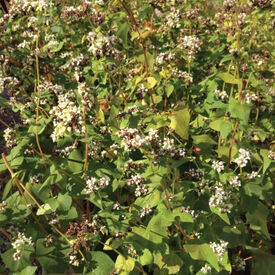
The Common Buckwheat is a grain that can be planted late spring to early summer and improves top soil and an effective choke weed! This variety establishes quickly and matures in 60 days. This buckwheat accumulates phosphorus and and potassium for following crops and is frost sensitive. Buckwheat (Fagopyrum esculentum Moench): Cool Season, Grain, Annual, Upright growth habit, Enhances soil P availability,Crude protein: straw 5%, grain 13% Uses: Bees & Beneficial Insects, Green Manure, No Till, Organic Matter (Biomass), Weed Suppresion
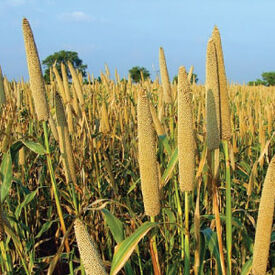
The Pearl Millet is a very tall grass that can reach to be 15 feet tall that is used as a multiple cut forage grass and green manure. This grass is high in protein, digestible and free of prussic acid. The Pearl Millet is perfect used for hay, pasture and silage for feeding cattle, horses, goats and other livestock. The Pearl Millet is also a very good green manure that is well adapted to low soil moisture, low fertility and high temperatures. Uses: Erosion Control, Green Manure, Nitrogen Scavenger, No Till, Organic Matter (Biomass), Weed Suppression