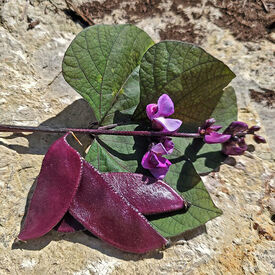
Ruby Moon Hyacinth Bean, also known as Lablab purpureus or simply Hyacinth Bean, is a unique and versatile legume known for its vibrant appearance and culinary potential. This heirloom variety is named for its striking ruby-red pods and dark green foliage, making it an attractive addition to both ornamental and edible gardens. Ruby Moon Hyacinth Beans are typically grown as annuals, but in tropical regions, they can be perennial. In terms of taste, the young pods and seeds of Ruby Moon Hyacinth Bean are edible and have a mild, nutty flavor similar to green beans. They can be consumed both raw and cooked. However, it's important to note that mature seeds contain toxic compounds and should not be eaten without proper processing. Ruby Moon Hyacinth Beans have a rich history, with their cultivation dating back centuries, primarily in Asia and Africa. They are valued not only for their culinary uses but also for their ability to fix nitrogen in the soil, enhancing soil fertility. This plant is categorized as a warm-season annual and typically matures in about 60-90 days, depending on growing conditions. The size of the Ruby Moon Hyacinth Bean plant can vary, but it generally reaches a height of 6-10 feet, making it suitable for trellises or fences. When it comes to yield, you can expect approximately 10-15 pounds of pods per plant or around 800-1,200 pounds per acre under ideal conditions. These beans thrive in full sun and well-drained soil, and they require a warm climate to grow successfully. Adequate moisture and support for climbing are essential for a bountiful harvest. With proper care, Ruby Moon Hyacinth Beans can be a delightful addition to your garden, offering both visual appeal and a tasty, nutritious addition to your plate.
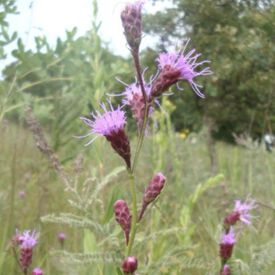
Dwarf Blazing Star (Liatris cylindracea) is a petite, drought-hardy species native to the dry prairies, glades, and rocky outcrops of the central and eastern United States, where its deep taproot allowed it to persist through challenging conditions. Unlike the taller prairie Liatris types, L. cylindracea stays low and compact, often producing short, sturdy flower spikes lined with cylindrical clusters of vivid purple blooms that open from the top down and draw in bees, butterflies, and other pollinators. Its narrow, grass-like leaves form a tidy basal clump, giving it a clean, architectural look ideal for small gardens or rocky sites. To grow Dwarf Blazing Star successfully, plant seeds in full sun and sharply drained soil, and allow for natural winter stratification or chill the seeds before sowing; though slow to establish, it becomes a tough, long-lived perennial that rewards gardeners with dependable, eye-catching late-summer color.

Trailing amaranth features vivid, cascading tassels in a striking lime green, bringing bold texture and movement to any arrangement. Its long, flowing flower tails drape elegantly from tall plants reaching 4–5 feet, creating a dramatic visual effect both in the garden and in the vase. Ideal for fresh or dried use, this ornamental variety shines in bouquets and pairs beautifully with other amaranths. Planted in rows, it also forms a lush, eye-catching backdrop for smaller blooms, adding depth and dimension to your garden design.
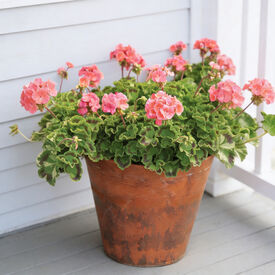
The Salmon Maverick Geranium is a more vigorous, hybrid plant that produces bigger 5-6" flower heads that are a stunning salmon color! This variety is the best Geranium to grow from seed in 4-6" containers. It's is excellent for high density growing and takes 13 weeks to be ready from seed. The Maverick's garden performance is superior to other varieties, with well-branched plants, 16 to 18" tall.
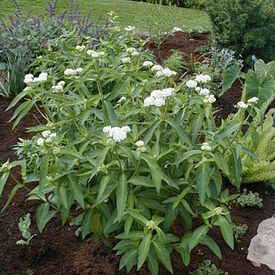
Asclepias incarnata ‘Ice Ballet’, often called White Swamp Milkweed, is a selected form of the native Swamp Milkweed long found along wetlands, marsh edges, and moist prairies across North America, where it has served for generations as an essential host plant for monarch caterpillars. This cultivar stands out for its showy clusters of pure white, vanilla-scented flowers that bloom in midsummer, contrasting beautifully with its upright stems and narrow, deep-green leaves. Like the species, it thrives in full sun and prefers consistently moist soils—though it will tolerate average garden moisture once established—and it attracts a wide range of pollinators. To grow ‘Ice Ballet’, sow seeds in full sun and moist, fertile, well-drained soil, giving them natural winter stratification or refrigerating them before planting; over time, it forms a robust, long-lived clump that returns each season with elegant, pollinator-rich blooms.
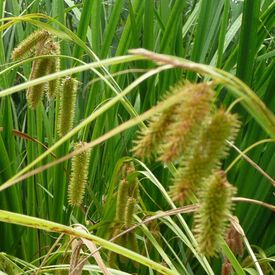
Carex comosa is a large tufted wetland sedge. The narrow leaves are lime green and shiny. In late spring triangular culms rise above the foliage to 5’ bearing large chartreuse bottlebrush shaped spikes. Attractive warm brown seed spikes follow. This bold sedge flourishes in sun or part sun in damp or wet sites. Plants prosper in difficult wet mucky soils or even in shallow water.
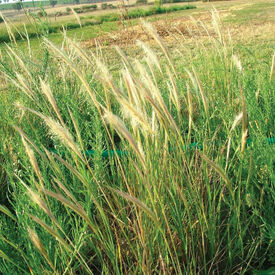
Dichelachne crinita, commonly known as the longhair plume grass, is a type of grass found in Australia, New Zealand and islands off the Pacific Ocean. It is often seen on sandy soils near the sea as well as woodlands. The flowering panicles are open and feathery at maturity.
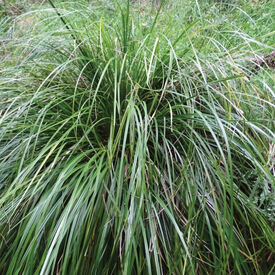
A common grass in wet or moist habitats in temperate to cold temperatures. The stems of sedges are solidly filled with pith, and do not have nodes. They are triangular in cross section. The leaves are arranged in three rows, with sheaths usually fused around the stem. Leaf blades of sedges are usually grass-like; with evergreen or semi-evergreen foliage.
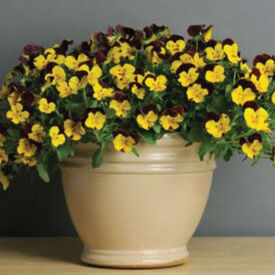
Sunshine and Wine Swirl Cool Wave is a fast growing, long lasting trailing pansy for Spring and Autumn. Very similar to Red Wine with yellow petals and maroon tips. Avg. 24,415 seeds/oz. Packet: 10 seeds.
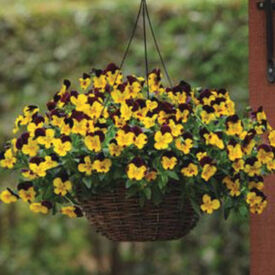
Raspberry Wing Cool Wave is a fast growing, long lasting trailing pansy for Spring and Autumn. Yellow petals with dark maroon colored tips. Offers better branching and a more mounding habit that matches the newest varieties in the series. Avg. 24,415 seeds/oz. Packet: 10 seeds.
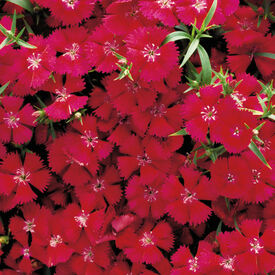
Carmine Rose Diamond offers superb garden performance in spring and autumn with its high uniformity in plant habit. Produces beautiful pinkish-red petals that bloom for an extended time. The Diamond is an early series, blooming simultaneously on main and lateral stems with flower size of 1.5 inches in diameter. Ht. 6-10". Avg. 32,500 seeds/oz. Packet: 50 seeds.
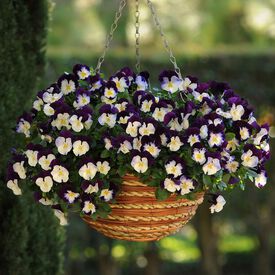
Violet Wing Cool Wave is a fast growing, long lasting trailing pansy for Spring and Autumn. Yellow centers, with white petals that have dark violet tips. Avg. 24,415 seeds/oz. Packet: 10 seeds.
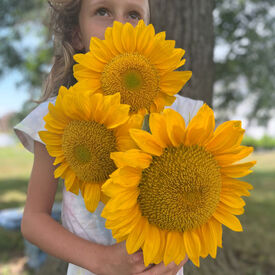
High quality sunflower with erect heads and overlapping petals. Now includes downy mildew resistance. Produces a light green golden centers of this single head pollen free sunflower are surrounded with deep golden petals. This flower is perfect alone or in mixes with other light-centered sunflowers Starburst™ Greenburst or ProCut® White Lite. It also mixes very nicely with blue and purple flowers to give a light spring-like feeling to your bouquet!
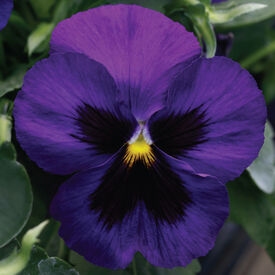
Deep Blue with Blotch offers dark bluish-purple petals with dark blotch centers. This variety is great for container growing. Spring Grandio is specifically bred pansy for early spring production! This variety blooms early and offers more daylength neutrality. Also offers plant uniformity and matched bloom time. We offer many Spring Grandio colors and three mixes. Ht. 6–8". Avg. 17,000 seeds/oz. Packet: 50 seeds.
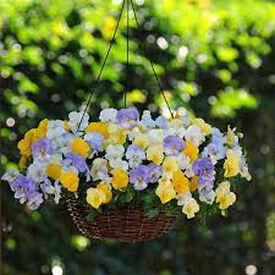
Mix Pastel Cool Wave is a fast growing, long lasting trailing pansy for Spring and Autumn. Frost, Golden Yellow, Lemon and White flower colors. Ht. 6–8". Avg. 24,415 seeds/oz. Packet: 10 seeds.
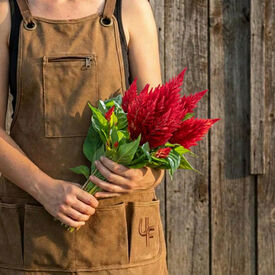
Scarlet Kimono is a uniform, dense flower that makes beautiful containers. Scarlet Kimono Celosia is ideal for extending the season and offers beautiful cut red flowers. Kimono Celosia series is available in multiple colors that Urban Farmer offers.
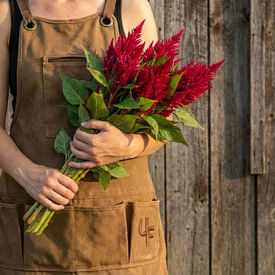
Cherry Red Kimono is a uniform, dense flower that makes beautiful containers. Cherry Red Kimono Celosia is ideal for extending the season and offers beautiful cut red flowers. Kimono series is available in multiple colors that Urban Farmer offers.
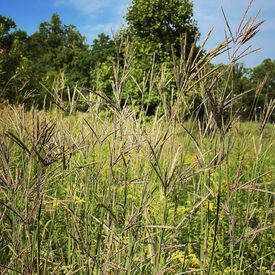
The Big Bluestem is a warm season ornamental grass that actively grows during the summer when soil temperatures are warm but is beautiful all year round. This variety is a big plant, getting over six feet tall in most situations! In a landscape, the Big Bluestem can be used as an accent. This ornamental grass has a great fall color in the range of gold and pink.