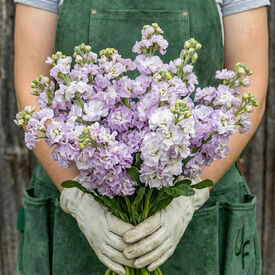
Iron Marine stock offers dependable, florist-grade quality in an early, single-stem (column-type) series bred for uniform, one-cut harvests. True to its name, it produces strong, straight, and rigid stems that hold up well through production and handling. The Iron series has shown excellent performance in spring, early summer, and fall plantings, with the ability to achieve up to 55% double flowers without selection, or fully selectable for doubles. Dense, closely set florets form compact 1½–2 inch blooms in soft blush to rose pink, creating a full, refined look. This variety produces only one flowering stem per plant, and pinching is not recommended, as it will stop flowering.
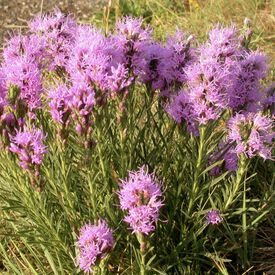
Dotted Blazing Star (Liatris punctata) is a hardy native perennial of the Great Plains and central U.S., historically thriving in dry prairies, foothills, and rangelands where its exceptionally deep root system—often reaching several feet down—helped it endure drought and grazing. This species is known for its compact stature and dense spikes of bright purple, “dotted” flower clusters spaced neatly along the stem, each rich in nectar and highly attractive to bees, butterflies, and especially migrating monarchs. Its narrow, grass-like leaves form a tidy clump, and the plant’s rugged nature makes it well suited to xeriscapes, wildflower gardens, and restoration projects. To grow Dotted Blazing Star, sow seeds in full sun and well-drained, even rocky or sandy soil, allowing for natural winter stratification or chilling seeds before planting; once established, it is long-lived, low-maintenance, and reliably blooms each late summer with vibrant color.
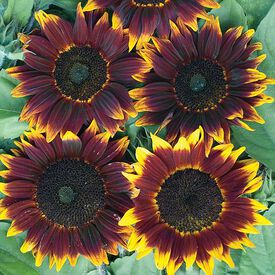
The chocolatey brown and honey gold petals of the Shock-o-lat adds rich "shocking" shades to any bouquet, as this sunflower makes for a great cut flower! It is suitable for fresh and dried arrangements. This sunflower blooms in the summer and can reach up to 6 feet tall, so it might need staking to hold up its big heavy blooms. The Shock-o-lat is easy to grow and perfect for attracting birds away from other plants in the garden.
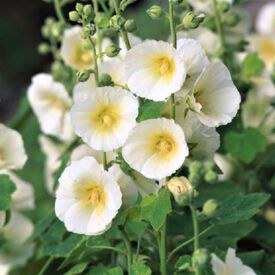
Polar Star Hollyhock (Alcea rosea 'Polarstar') is an elegant, tall perennial known for its large, pure white, single blooms that bring a luminous, refreshing presence to garden landscapes. Part of the "Spotlight Series," this variety combines the traditional charm of hollyhocks with improved vigor and disease resistance, especially against rust. Growing up to 5 to 6 feet tall, Polar Star makes a stunning backdrop in borders or cottage gardens, thriving in full sun and well-drained soil. Its striking white flowers not only provide a beautiful contrast to darker blooms but also attract pollinators like bees and butterflies, enhancing both visual appeal and garden health.
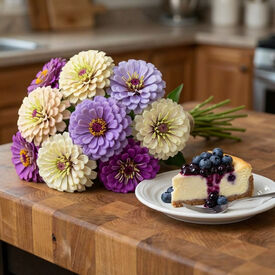
Blueberry Cheesecake mix is composed of white, purple and lavender zinnia varieties. This mixture produces beautiful blooms of semi-double to double flowers on each stem. Zinnias are a perfect choice for any cut flower grower and even attract butterflies to your garden. Large, colorful blooms lend cheer and texture to bouquets and floral arrangements. Spread at 19 lbs per acre or 7 ounces per 1,000 sq.ft.
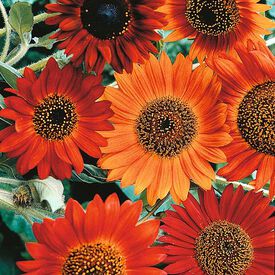
The easy to grow Earthwalker Sunflower adds a beautiful warm pop of burnt orange, coppery brown and rusty red to any garden or bouquet! This sunflower has multiple side branches and can grow up to 6 feet tall. The Earthwalker is a sun-loving annual that is ideal for most soil types. Enjoy the beautiful blooms all summer long and into early fall!

Striking, bi-colored tassels in lime green and raspberry-rose cascade like braided ropes, giving this heirloom amaranth a bold, eye-catching presence. A favorite for direct sowing, it offers both trailing and upright forms that bring movement and texture designers love. Pinch plants at 9 inches to encourage multiple stems and fuller growth. Fast to develop in the heat of summer, its multi-hued blooms make dramatic additions to large bouquets. In the garden, it pairs beautifully with tall, airy companions like cleome, adding depth and visual interest to borders and cutting beds alike.
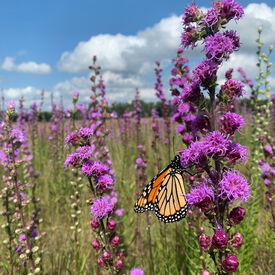
Meadow Blazing Star (Liatris ligulistylis) is a beloved native perennial of the northern U.S. and Canadian prairies, historically thriving in moist meadows and open grasslands and long recognized for its exceptional value to monarch butterflies, which flock to its nectar-rich blooms during migration. It produces tall, airy stems topped with loose spikes of vibrant, feathery purple flowers, each with elongated styles that give the blossoms a delicate, wispy appearance. The plant’s narrow leaves form an attractive upright clump, and its blooms appear later in the season, providing important late-summer nectar. To grow Meadow Blazing Star successfully, plant seeds in full sun and moist, well-drained soil, allowing for natural winter stratification or chilling seeds before sowing; though slow to establish as it builds a deep root system, it becomes a durable, eye-catching pollinator magnet that returns more robustly each year.
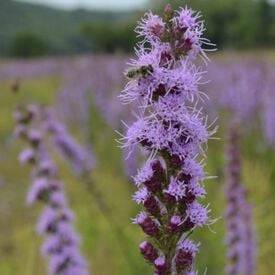
Button Blazing Star (Liatris aspera) is a native wildflower of the central and eastern United States, historically found in dry prairies, savannas, and open woodlands where its tough, deep-rooted nature helped it thrive in harsh conditions. It is known for its thick, sturdy stems topped with rounded, button-like clusters of rosy-purple flowers that open irregularly along the spike, creating a charming, textural look that pollinators—especially bees and butterflies—love. The plant features narrow, lance-shaped leaves that form a basal clump and become smaller up the stem, giving it a clean, upright habit perfect for naturalistic plantings. To grow Button Blazing Star, sow seeds in full sun and well-drained soil, allowing them to undergo natural winter stratification or refrigerate them before planting; once established, it is drought-tolerant, long-lived, and reliably returns each summer with more vibrant blooms.
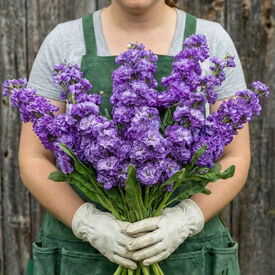
Iron Blue stock offers dependable, florist-grade quality in an early, single-stem (column-type) series bred for uniform, one-cut harvests. True to its name, it produces strong, straight, and rigid stems that hold up well through production and handling. The Iron series has shown excellent performance in spring, early summer, and fall plantings, with the ability to achieve up to 55% double flowers without selection, or fully selectable for doubles. Dense, closely set florets form compact 1½–2 inch blooms in soft blush to rose pink, creating a full, refined look. This variety produces only one flowering stem per plant, and pinching is not recommended, as it will stop flowering.
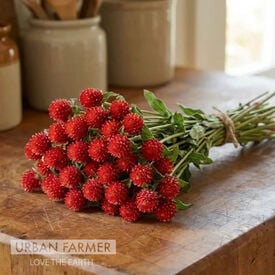
QIS Red Gomphrena ia highly productive accent flower that is excellent for fresh bouquets or dried arrangements. Produces 1-2" blooms in vibrant red color. The QIS (Quality in Seed) Series is a florist favorite for its consistent production in quality, length, and uniformity. Also known as globe amaranth and common globe amaranth.
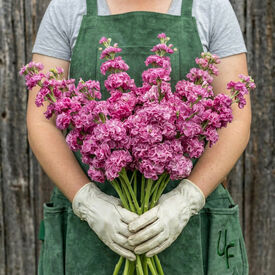
Iron Rose Pink stock offers dependable, florist-grade quality in an early, single-stem (column-type) series bred for uniform, one-cut harvests. True to its name, it produces strong, straight, and rigid stems that hold up well through production and handling. The Iron series has shown excellent performance in spring, early summer, and fall plantings, with the ability to achieve up to 55% double flowers without selection, or fully selectable for doubles. Dense, closely set florets form compact 1½–2 inch blooms in soft blush to rose pink, creating a full, refined look. This variety produces only one flowering stem per plant, and pinching is not recommended, as it will stop flowering.
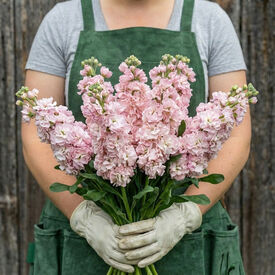
Iron Cherry Blossom stock offers dependable, florist-grade quality in an early, single-stem (column-type) series bred for uniform, one-cut harvests. True to its name, it produces strong, straight, and rigid stems that hold up well through production and handling. The Iron series has shown excellent performance in spring, early summer, and fall plantings, with the ability to achieve up to 55% double flowers without selection, or fully selectable for doubles. Dense, closely set florets form compact 1½–2 inch blooms in soft blush to rose pink, creating a full, refined look. This variety produces only one flowering stem per plant, and pinching is not recommended, as it will stop flowering.

Delicate, feathery plumes in a slightly softer hue than Red Spike offer a refined look for late summer and fall arrangements. This upright amaranth features rich crimson-purple blooms paired with deep purple-red foliage, creating striking contrast and texture in the garden and the vase. A versatile bouquet filler, it performs beautifully both fresh and dried. When young, the tender leaves can also be enjoyed as a nutritious edible green, adding even more value to this classic ornamental—commonly known simply as amaranth.
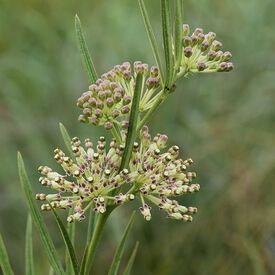
Hirtella Asclepias, more commonly known as Hirtella Milkweed or sometimes grouped under Asclepias hirtella and Tall Green Milkweed, is a native prairie species historically found across the central United States in moist to moderately dry meadows, savannas, and open grasslands. It is recognized for its tall, slender stems topped with rounded clusters of pale green to yellow-green flowers that attract a wide variety of pollinators, including bees, butterflies, and monarch caterpillars. The narrow, grass-like leaves give it a delicate, airy appearance, making it an elegant addition to naturalistic plantings. To grow Hirtella Milkweed successfully, plant seeds in full sun with well-drained to moderately moist soil and allow them to undergo natural winter stratification—or refrigerate them prior to sowing. Once established, it becomes a hardy, long-lived perennial that offers both ecological value and subtle ornamental beauty.
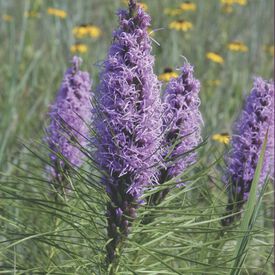
Bottlebrush Blazing Star (Liatris mucronata, though sometimes confused with or grouped alongside Liatris cylindracea in the trade) is a drought-tolerant native of the central and southern U.S., historically found in dry prairies, limestone glades, and open rangelands where its deep roots helped it thrive in harsh, exposed conditions. It earns its name from its showy, bottlebrush-like flower spikes, packed with feathery purple blooms that open from the top downward and draw heavy attention from butterflies, bees, and other pollinators. The plant forms a tidy clump of narrow, grass-like leaves and produces upright stems that remain elegant even in lean, rocky soils. To grow Bottlebrush Blazing Star, sow seeds in full sun with well-drained soil, allowing natural winter stratification—or refrigerating seeds—to ensure good germination; although slow to establish, it becomes a durable, low-maintenance perennial that rewards gardeners with vivid late-summer color and excellent wildlife value.
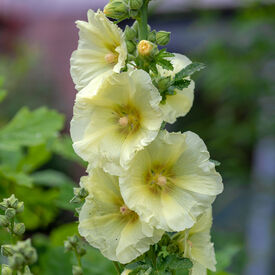
Sunshine Hollyhock (Alcea rosea 'Sunshine') is a cheerful and radiant perennial known for its bright, buttery yellow single blooms that bring warmth and light to garden spaces. As part of the "Spotlight Series," it features sturdy, upright stems that can grow 5 to 6 feet tall, making it an excellent choice for the back of borders, along fences, or in cottage-style gardens. Blooming from mid to late summer, Sunshine Hollyhock thrives in full sun and well-drained soil, and it offers improved resistance to rust compared to older varieties. Its vibrant flowers attract bees, butterflies, and other pollinators, adding both color and ecological value to the landscape.
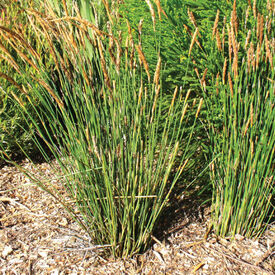
A large reed-like plant with long dark green stems that produce male and female flowers. Flowers are dark brown and can sometimes appear almost black. Individual flowers are almost microscopic and can number anywhere from 50 to over 500 flowers per stem.
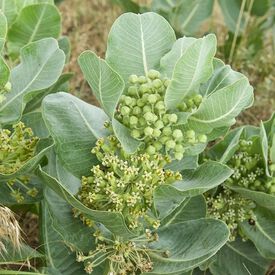
Western Sand Milkweed (Asclepias arenaria), also known as Sandhill Milkweed or Dwarf Milkweed, is a hardy, drought-tolerant species native to the sandy plains and prairies of the central and southwestern United States, where it has long supported pollinators and played a role in Indigenous plant knowledge. This milkweed forms upright stems with soft, velvety, blue-green leaves and produces clusters of pale greenish-white flowers that are highly attractive to monarchs, bees, and other beneficial insects. Adapted to arid, shifting soils, it thrives in full sun, well-drained sandy or loamy ground, and low-water conditions, making it ideal for xeriscapes and native plant gardens. For best results, stratify seeds before sowing, plant them shallowly, and avoid overwatering—Western Sand Milkweed prefers lean soils and rewards minimal care with strong growth and prolific blooms.
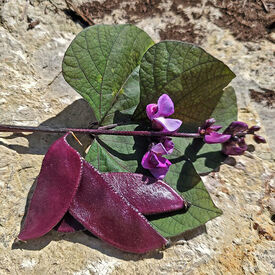
Ruby Moon Hyacinth Bean, also known as Lablab purpureus or simply Hyacinth Bean, is a unique and versatile legume known for its vibrant appearance and culinary potential. This heirloom variety is named for its striking ruby-red pods and dark green foliage, making it an attractive addition to both ornamental and edible gardens. Ruby Moon Hyacinth Beans are typically grown as annuals, but in tropical regions, they can be perennial. In terms of taste, the young pods and seeds of Ruby Moon Hyacinth Bean are edible and have a mild, nutty flavor similar to green beans. They can be consumed both raw and cooked. However, it's important to note that mature seeds contain toxic compounds and should not be eaten without proper processing. Ruby Moon Hyacinth Beans have a rich history, with their cultivation dating back centuries, primarily in Asia and Africa. They are valued not only for their culinary uses but also for their ability to fix nitrogen in the soil, enhancing soil fertility. This plant is categorized as a warm-season annual and typically matures in about 60-90 days, depending on growing conditions. The size of the Ruby Moon Hyacinth Bean plant can vary, but it generally reaches a height of 6-10 feet, making it suitable for trellises or fences. When it comes to yield, you can expect approximately 10-15 pounds of pods per plant or around 800-1,200 pounds per acre under ideal conditions. These beans thrive in full sun and well-drained soil, and they require a warm climate to grow successfully. Adequate moisture and support for climbing are essential for a bountiful harvest. With proper care, Ruby Moon Hyacinth Beans can be a delightful addition to your garden, offering both visual appeal and a tasty, nutritious addition to your plate.
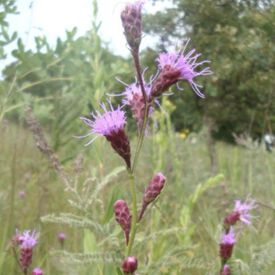
Dwarf Blazing Star (Liatris cylindracea) is a petite, drought-hardy species native to the dry prairies, glades, and rocky outcrops of the central and eastern United States, where its deep taproot allowed it to persist through challenging conditions. Unlike the taller prairie Liatris types, L. cylindracea stays low and compact, often producing short, sturdy flower spikes lined with cylindrical clusters of vivid purple blooms that open from the top down and draw in bees, butterflies, and other pollinators. Its narrow, grass-like leaves form a tidy basal clump, giving it a clean, architectural look ideal for small gardens or rocky sites. To grow Dwarf Blazing Star successfully, plant seeds in full sun and sharply drained soil, and allow for natural winter stratification or chill the seeds before sowing; though slow to establish, it becomes a tough, long-lived perennial that rewards gardeners with dependable, eye-catching late-summer color.

Trailing amaranth features vivid, cascading tassels in a striking lime green, bringing bold texture and movement to any arrangement. Its long, flowing flower tails drape elegantly from tall plants reaching 4–5 feet, creating a dramatic visual effect both in the garden and in the vase. Ideal for fresh or dried use, this ornamental variety shines in bouquets and pairs beautifully with other amaranths. Planted in rows, it also forms a lush, eye-catching backdrop for smaller blooms, adding depth and dimension to your garden design.
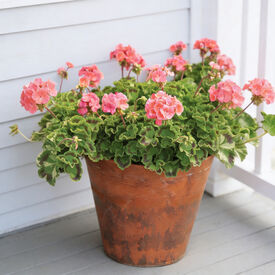
The Salmon Maverick Geranium is a more vigorous, hybrid plant that produces bigger 5-6" flower heads that are a stunning salmon color! This variety is the best Geranium to grow from seed in 4-6" containers. It's is excellent for high density growing and takes 13 weeks to be ready from seed. The Maverick's garden performance is superior to other varieties, with well-branched plants, 16 to 18" tall.
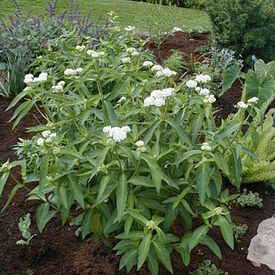
Asclepias incarnata ‘Ice Ballet’, often called White Swamp Milkweed, is a selected form of the native Swamp Milkweed long found along wetlands, marsh edges, and moist prairies across North America, where it has served for generations as an essential host plant for monarch caterpillars. This cultivar stands out for its showy clusters of pure white, vanilla-scented flowers that bloom in midsummer, contrasting beautifully with its upright stems and narrow, deep-green leaves. Like the species, it thrives in full sun and prefers consistently moist soils—though it will tolerate average garden moisture once established—and it attracts a wide range of pollinators. To grow ‘Ice Ballet’, sow seeds in full sun and moist, fertile, well-drained soil, giving them natural winter stratification or refrigerating them before planting; over time, it forms a robust, long-lived clump that returns each season with elegant, pollinator-rich blooms.
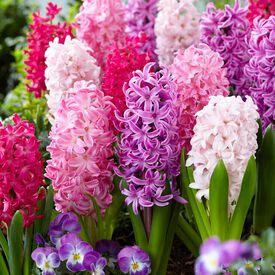
One of our most beautiful bulb blends! "Mixture of Pink" is a beautiful and immensely fragrant mixture of solid color hyacinths. Hyacinths are great for mass displays, borders, bowls, containers and cut flowers. Hyacinths bloom for an extended period of time and combine very well with early flowering tulips. Hyacinth bulbs are deer resistant and will perennialize if the foliage is allowed to die down.
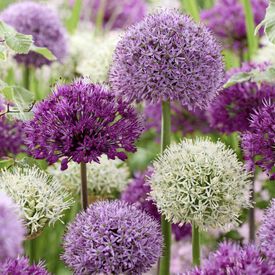
Big, bold, and impossible to miss — these towering blooms are true garden showstoppers. Giant Alliums are one of our favorite spring flowers thanks to their oversized globe-shaped blooms and dramatic presence in the landscape. This Giant Mix features stunning shades of purple and white that bloom from mid to late spring and look especially beautiful when planted in large groupings.
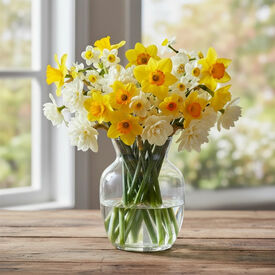
Fill your garden and home with the sweet fragrance of spring! This specially selected daffodil collection features beautifully scented blooms that add both color and perfume to the landscape. Easy to grow and exceptionally reliable, daffodils are among the toughest spring-flowering bulbs, thriving in a wide range of climates and returning year after year. Their long-lasting blooms also make wonderful cut flowers for fresh spring bouquets indoors.
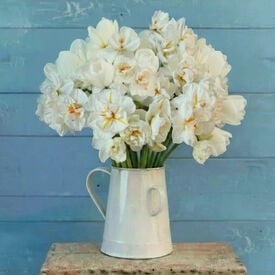
Peach Lemonade is a refreshing blend of soft pastel blooms that brings the warmth and sweetness of spring to your garden. This charming collection combines the peach-and-cream double flowers of Replete Daffodils, the fragrant white blooms of Sir Winston Churchill Daffodils, and the lush peony-style blossoms of Mount Tacoma Tulips. Together, they create a beautiful mix of creamy whites, buttery yellows, and delicate peach tones that brighten garden beds, borders, and bouquets. Blooming in mid to late spring, Peach Lemonade offers weeks of color, fragrance, and cottage-garden charm while making exceptional cut flowers for indoor arrangements.
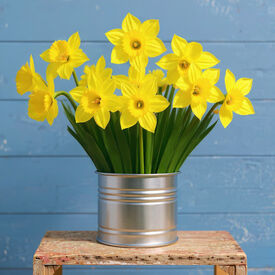
Carlton Daffodil is one of the most popular and reliable daffodil varieties ever introduced, treasured for its large golden-yellow blooms and vigorous growth. Producing oversized flowers with broad petals and a ruffled trumpet, Carlton creates a bright and cheerful display that signals the arrival of spring. Easy to grow and exceptionally hardy, these daffodils naturalize beautifully, returning year after year with even more blooms. Perfect for garden beds, borders, mass plantings, and cut flower arrangements, Carlton Daffodils provide timeless beauty and dependable spring color in nearly any landscape.
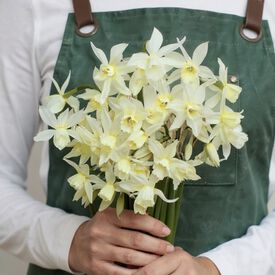
Thalia Daffodil is an elegant heirloom variety prized for its graceful, pure white blooms and sweet fragrance. Often called the "Orchid Narcissus," Thalia produces multiple nodding flowers per stem, creating a delicate and airy display in the spring garden. Blooming in mid-spring, these deer-resistant daffodils naturalize beautifully and return year after year with increasing vigor. Perfect for borders, woodland gardens, containers, and cut flower arrangements, Thalia brings timeless beauty, fragrance, and sophistication to any landscape.
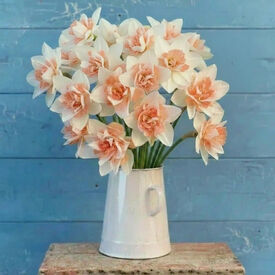
Replete Daffodil is a stunning double-flowered variety that brings elegance and romance to the spring garden. Its large blooms feature layers of creamy white petals accented by ruffled apricot-pink centers, creating a unique color combination that stands out in beds, borders, and bouquets. Blooming in mid to late spring, Replete produces long-lasting flowers that are both deer-resistant and easy to grow. Returning reliably year after year, this award-winning daffodil adds charm, texture, and a touch of vintage beauty to any landscape.
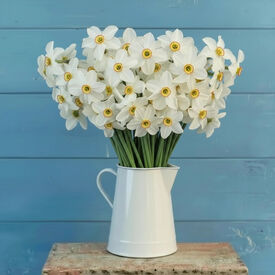
Poeticus Recurvus Daffodil is a timeless heirloom variety treasured for its graceful beauty, sweet fragrance, and exceptional garden performance. Blooming in late spring, each elegant flower features crisp white petals surrounding a small yellow cup edged with a delicate red rim, creating a striking yet refined appearance. Known as one of the most fragrant daffodils available, Poeticus Recurvus fills the garden with a delightful perfume while attracting attention with its nodding blooms. Easy to grow, deer-resistant, and highly reliable, this classic daffodil naturalizes beautifully and returns year after year, making it a favorite for cottage gardens, naturalized plantings, and fresh-cut bouquets.
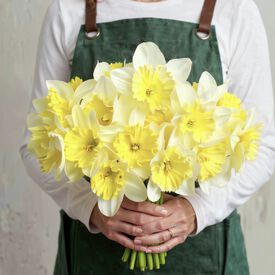
Ice Follies Daffodil is a beloved spring classic known for its large, elegant blooms and exceptional garden performance. Each flower opens with a soft yellow trumpet that gradually fades to creamy white, creating a beautiful contrast against its crisp white petals. Blooming in early to mid-spring, Ice Follies produces an abundance of long-lasting flowers that brighten garden beds, borders, and naturalized landscapes. Easy to grow, deer-resistant, and highly reliable, this award-winning daffodil returns year after year with stunning spring color and makes an excellent cut flower for fresh bouquets.
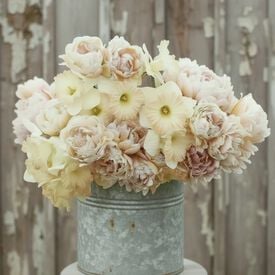
Antique Charm is a stunning spring combination that blends the timeless elegance of British Gamble Daffodils with the unique, peony-flowered beauty of Foxy Foxtrot Tulips. Soft apricot, peach, cream, and golden-yellow blooms create a warm vintage color palette reminiscent of an old English cottage garden. Blooming together in mid-spring, these complementary varieties provide a long-lasting display of color, texture, and charm. Perfect for garden beds, borders, and cut flower bouquets, Antique Charm brings classic beauty and old-world romance to any landscape.
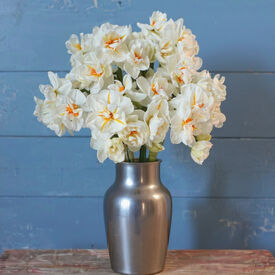
Sir Winston Churchill Daffodil is a classic heirloom daffodil cherished for its exquisite fragrance and elegant double blooms. Each stem produces clusters of creamy white flowers accented with touches of soft golden-yellow, creating a lush and romantic display in the spring garden. Blooming in mid to late spring, these richly scented flowers fill the air with a sweet perfume that makes them a favorite for garden borders and fresh-cut bouquets. Easy to grow, deer-resistant, and dependable year after year, Sir Winston Churchill brings timeless beauty, fragrance, and old-world charm to any landscape.
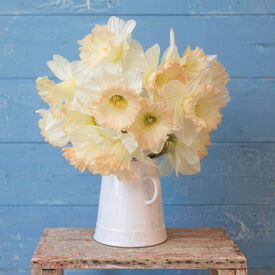
British Gamble Daffodil is a breathtaking giant daffodil that commands attention with its enormous blooms and elegant color transformation. Opening with soft yellow trumpets surrounded by creamy white petals, the flowers gradually mature to nearly pure white, creating a stunning display that evolves throughout the season. Blooming in mid to late spring, British Gamble produces some of the largest daffodil flowers available, often reaching up to 5 inches across. Easy to grow, deer-resistant, and exceptionally reliable, this award-winning variety returns year after year with impressive blooms that make a dramatic statement in garden beds, borders, and cut flower arrangements.