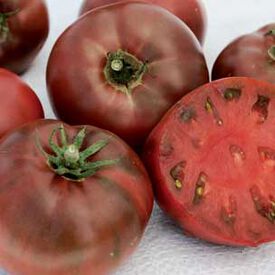
The Carbon Tomato won the “Best Tasting Tomato Award” at the Heirloom Garden Show in 2005 and continues to rate very high in many taste tests! This tomato is one of the darkest of the “black tomato” varieties, and 10-12 oz. in size with a flattened round shape. This purplish-brown, "black" colored tomato has a deep brick red flesh and has a deliciously rich, sweet flavor. The fruit is medium to large, with a slightly flattened shape and a smooth, glossy skin. Carbon tomatoes are celebrated for their robust flavor profile, which blends sweet, tangy, and smoky notes, making them a versatile choice for fresh salads, sauces, and salsas. The plants are indeterminate, meaning they continue to grow and produce fruit throughout the growing season, typically reaching heights of 5 to 7 feet. They exhibit a vigorous growth habit and produce a steady yield of tomatoes from mid-summer to fall. Harvesting is usually done when the tomatoes have fully ripened and developed their deep color. With their rich flavor, striking color, and reliable productivity, Carbon tomatoes are a favorite among gardeners and culinary aficionados alike.
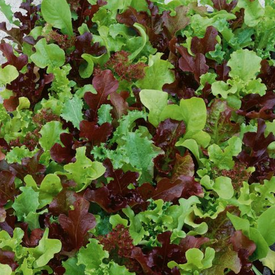
The Mini Greens Blend is a colorful mixture of red and green leaf lettuce varieties that creates a wonderful bright combination. This blend is neither considered a sprout nor true baby leaf lettuce either, these delicious mini greens are somewhere in between! The Mini Greens Blend will give you greens in just 2 weeks from germination to harvest!
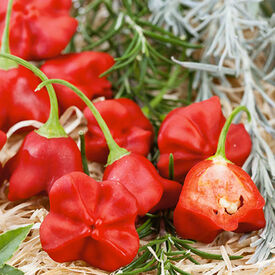
The Mushroom Red Pepper gets its name as it is a bell-shaped hot pepper that will ripen from a lime green to a bright red. This variety is great for pickling or drying and will add a nice hot kick to any dish. This pepper is great for a small garden as it does well in containers. These productive little peppers thrive in tropical regions, but will grow just about anywhere.
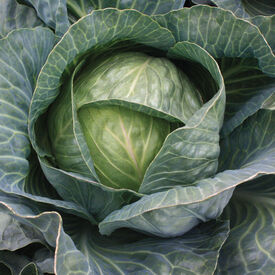
Storage #4 is a great producer of dark green color cabbage that have excellent storage life. This versatile variety also works great in the late fall for fresh market, especially in muddy and rainy conditions. Due to its earliness when used for storage, we recommend later season plantings for best storage results.
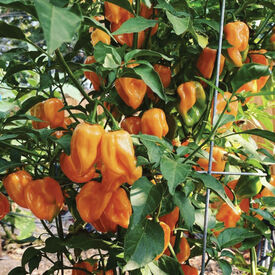
The Orange Habanero Pepper is among the hottest peppers available! This Habanero variety speaks for itself as it is one of the most well known peppers for its hotness. The Orange Habanera will mature from a silvery green to a bright orange color.
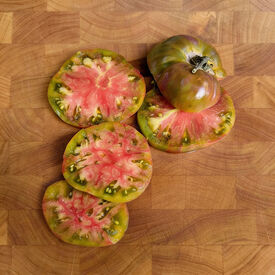
Ananas Noire tomatoes, also known as “Black Pineapple” tomatoes, are a distinctive heirloom variety renowned for their rich history and unique attributes. Originating from France, this variety is celebrated for its striking appearance and complex flavor profile. The name "Ananas Noire," which translates to "Black Pineapple," reflects the fruit's unusual coloration and resemblance to a pineapple in its shape. These tomatoes mature to a deep mahogany color with greenish undertones and have a ribbed, somewhat lumpy texture. The flavor is rich and multi-dimensional, offering a balance of sweetness with tangy, smoky notes, making them a prized ingredient in gourmet dishes and salads. The plants are indeterminate, meaning they continue to grow and produce fruit throughout the growing season, reaching about 6 to 8 feet in height. Ananas Noire tomatoes are typically harvested in late summer to early fall when they have fully ripened and their color has deepened. With their vibrant color, complex flavor, and productive growth habit, Ananas Noire tomatoes are a standout choice for both home gardeners and culinary enthusiasts.
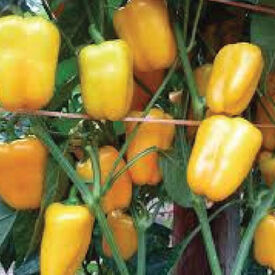
The Yellow Petite Bell Pepper is a mini bell pepper with flavor explosion! This sweet mini pepper variety that is high yielding and ripens to a rich yellow when mature. The Yellow Petite Bell grows to 2-3 ounces which is the perfect snack sized pepper that is excellent for market selling or fresh eating in salads or sandwiches!
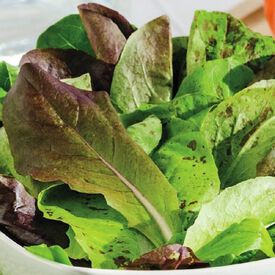
The Romaine Trio Blend is a mixture of three of our specialty romaine lettuces. This tri-colored blend is very popular for not only its beautiful color variation and vigorous growth, but also for its delicious taste.
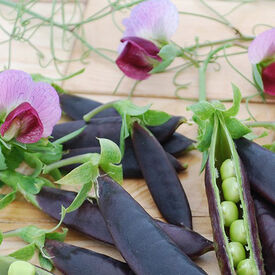
The Sugar Magnolia Pea is a beautiful deep purple colored sugar snap pea that is the result of over 15 years of development! This spectacular beauty has a very sweet flavor and is best before the pods get too fat. Make sure that this climbing variety has a trellis, as its sturdy vines reach to be 6-7 feet tall. Add the Sugar Magnolia to fresh salads or as a steamed side dish for a pop of color!
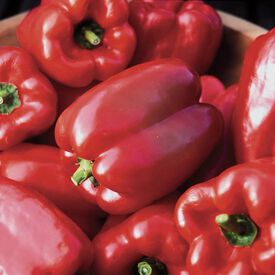
The Wisconsin Lakes Pepper is a beautiful heirloom bell pepper with a bright red flesh. This pepper variety is an early maturing bell pepper that turns from green to red. This pepper is a great choice for Northern gardeners. Wisconsin Lakes was bred by Wisconsin University in the1960s and it produce a good reliable harvest of early bell peppers.
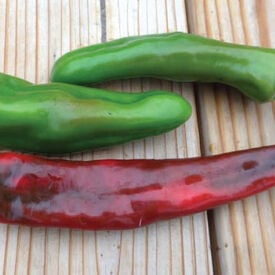
Anaheim Chili is a meaty hot pepper that is great for stuffing. This pepper variety has a mild to medium heat for a chili pepper. Each of these plant produce an abundance of spicy chili peppers that are 5-8" long. Anaheim Chili is great for roasting, stuffing, stews, sauces and eaten raw! A farmer back in the early 1900s bought some of these pepper seeds in Anaheim, California thus giving them the name they have today. Anaheim Chili peppers can be harvested while green or for more spiciness let them turn deep red.
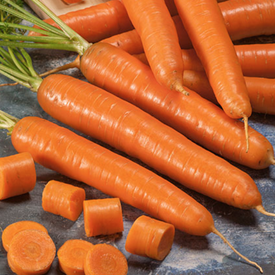
The Bambino carrot is a super sweet baby gourmet carrot. The color develops quickly and can pull early. This carrot produces 4 in. cylindrical blunt roots, very small core, smooth skin, a deep orange color and small dwarf tops. The Bambino was developed for canning & pickling whole and must be harvested early.