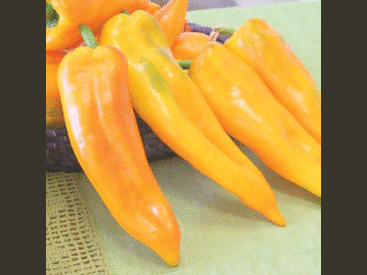
The Corno Di Toro Giallo Pepper is a great cooking variety, as it is an old-time Italian sweet frying pepper! Corno di Toro peppers, also known as "Bull's Horn" peppers, are a prized variety cherished for their impressive size, distinct shape, and exceptional flavor. These peppers are characterized by their elongated, tapered form, resembling a bull’s horn, and their vibrant yellow color when ripe. Known for their sweet, mild taste with just a hint of spice, Corno di Toro peppers are versatile and can be enjoyed both raw and cooked. Their thick, meaty flesh holds up well in grilling, roasting, and stuffing, making them ideal for a range of culinary applications. Beyond their culinary uses, these peppers are also valued for their high yields and productivity in the garden, thriving in warm, sunny conditions with well-drained soil. Corno di Toro peppers not only enhance the flavor of dishes but also add a striking visual element with their unique shape and vibrant hues.
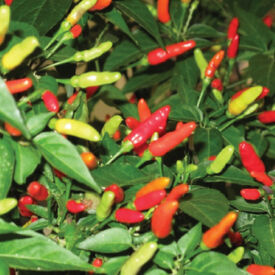
The Tabasco Pepper is a very hot pepper that is most known for its fantastic spicy flavor in hot sauces! This pepper variety turns green to red when mature and grows to a size of .5" x 1.5." Tabasco reaches 30,000+ Scovilles!
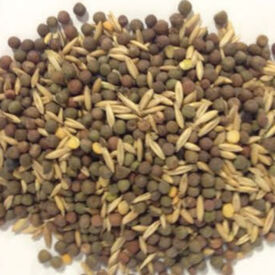
Using the Field Peas and Oats Blend throughout your garden is a great way to fix nitrogen and add organic matter to the soil! This blend contains a great ratio of grass and legume cover crop for fixing nitrogen, winter cover, weed suppression and more. The Field Peas and Oats Blend should be sown from early spring to late summer. Sow no later than 6 weeks before first fall frost in your area. This variety is gold hardy enough to grow long into the fall leaving behind a great mulch for soil protection. (75% peas / 25% oats by weight) Seed Coverage: - 5 lbs covers 2,000-4,000 sqaure feet - 100 lbs covers 1-2 acres Uses: Deer Attractant, Green Manure, Nitrogen Fixation, No Till, Organic Matter (Biomass), Weed Suppression
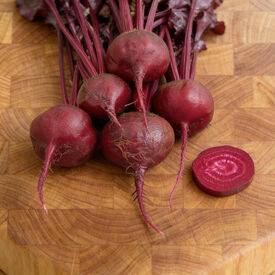
Bull's Blood beet, scientifically known as Beta vulgaris, is a striking and versatile variety of beetroot that has gained popularity for its unique characteristics. This heirloom variety has a fascinating history, dating back centuries to Europe, where it was initially cultivated for its edible leaves rather than the root. Its name, "Bull's Blood," is derived from the deep burgundy-red color of its leaves, which resemble the color of ox blood. Over time, its sweet and earthy flavor profile has made it a favorite among chefs and home gardeners alike. In terms of appearance, Bull's Blood beets typically grow to a medium size, roughly 2-3 inches in diameter, and have a round to slightly flattened shape. The seeds of this variety are easy to come by and can be sown directly in the garden or started indoors. Bull's Blood beets are relatively quick to mature, taking about 50-60 days from seed to harvest. The leaves are a deep red, while the root itself is a dark purplish-red, making it visually appealing on the plate. Bull's Blood beets exhibit some resistance to common beet diseases like Cercospora leaf spot and Downy Mildew, although specific resistance levels may vary depending on growing conditions. When properly cared for, they can yield a plentiful harvest. To ensure optimal growth, it's recommended to space the beet plants about 2-4 inches apart in well-drained soil with full sun exposure. Adequate moisture and consistent watering are essential for healthy growth. Whether you're looking to add a pop of color to your garden or enhance your culinary creations, Bull's Blood beets are a delightful choice with a rich history and vibrant character.
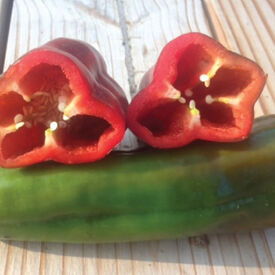
The Marconi Red Pepper is an Italian sweet pepper. This pepper variety is a very sweet thin-skinned pepper that changes from green to red with maturity and has 3-5 lobes.
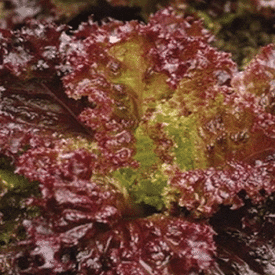
Lolla Rossa lettuce is a beautiful Italian heirloom variety originating from the Lolla region near Bergamo, known for its striking deep-red, frilly leaves and crisp texture. Typically forming compact, loose-leaf rosettes about 6 to 8 inches across, it adds vibrant color and visual appeal to salads and garden beds alike. The leaves are tender yet slightly crunchy, offering a mild, slightly bitter flavor with a subtle nutty finish. Lolla Rossa thrives in cool weather and prefers full sun with well-drained, fertile soil rich in organic matter. It grows best in temperatures between 45–70°F and benefits from consistent moisture, making it ideal for spring and fall planting.
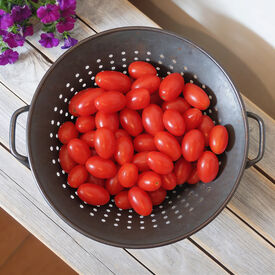
The 1999 AAS winner, Juliet Tomato, is a bright red, 1 oz. cherry tomato hybrid with a great sweet flavor that can't be beat! This tomato variety produces grape-like clusters on long, vigorous vines. The small and elongated fruit has a sweet flavor with an attractive glossy skin that is very crack resistant. This variety is also prized for its early and extended harvest season, offering high-quality fruit over a long period.
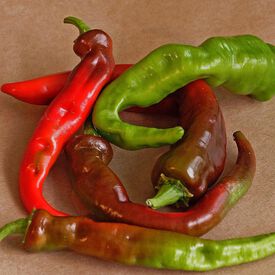
The Cayenne Long Red Thick Pepper is the biggest cayenne pepper you can grow! This variety's pepper grows to 5" long and 1/2" thick and are often curled and twisted. This pepper is great enjoyed fresh or dried for later use! The Cayenne Long Red Thick is a middle of the road hot pepper.
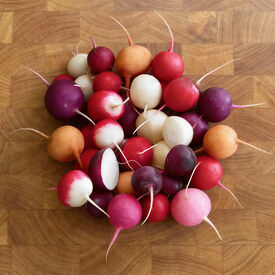
The Fiesta Blend is a five color radish blend of red, pink, yellow, white and purple! This colorful blend will be sure to a pop of fun color to any garden. Serving up the Fiesta Blend in salads or dishes is a great addition to any party or gathering!
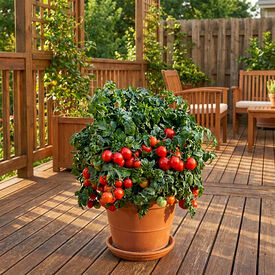
The Patio Tomato is a hybrid tomato that produces delicious, approximately 4 oz. fruits with attractive dark green rugose foliage. The easy to grow Patio Tomato thrives in pots, patio containers and small gardens, truly good things can grow in small spaces! Also does great as a hanging tomato plant.
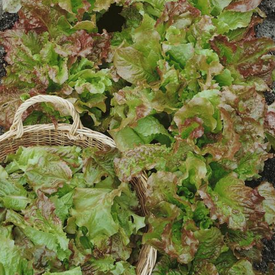
The Santa Fe Lettuce produces a small blanched head that is surrounded by green outer leaves with a tinged bronze-red tip. This variety is a favorite for being extra crunchy!
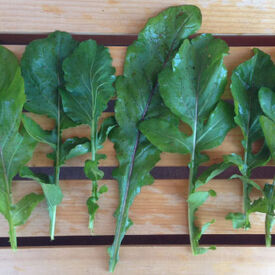
Roquette Arugula seeds produce a fast-growing, cool-season leafy green prized for its peppery, nutty flavor and tender, deeply lobed leaves. Also known as salad rocket, this Mediterranean native has been cultivated since ancient Roman times for both its culinary and medicinal qualities. Roquette arugula thrives in full sun to partial shade and prefers well-drained, fertile soil, reaching harvest size in as little as 30–40 days. Ideal for salads, sandwiches, or as a garnish, its bold flavor intensifies as the plant matures. Regular harvesting encourages new growth, making it a favorite for continuous garden production throughout spring and fall.
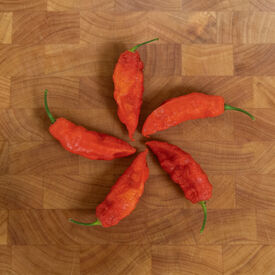
The Red Bhut Jolokia (Ghost Pepper) is among the world's hottest pepper! In 2006, the Guinness Book of Records confirmed that New Mexico State University had discovered the world's hottest chile pepper, the wrinkled, scarlet Bhut Jolokia. At 1,001,304 Scoville Heat Units (SHU), the Red Bhut Jolokia is nearly twice as hot as Red Savina, the Chile pepper variety it replaced as the world's hottest. In comparison, a New Mexico Green chile contains about 1,500 SHUs and an average jalapeno measures at about 10,000 SHUs. Use with caution.
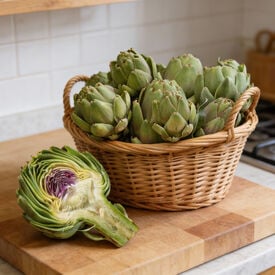
The Green Globe is America's most popular artichoke! Large flower buds, harvest when plump, ornamental with bold blue 6" flowers. Artichokes are a very tender plant. With thick, fleshy scales and solid center, the flower heads should be harvested when they're young. Native to the Mediterranean, globe artichokes have been grown in the US since Colonial times. Provided with a protective cover, the artichokes will successfully overwinter in colder areas.
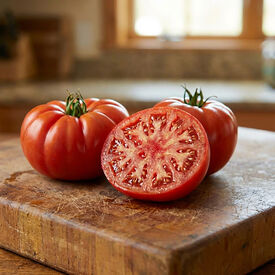
Beefmaster F1 tomato plants are renowned for producing some of the largest and most flavorful tomatoes in home gardens. Known for their impressive size, these beefsteak-type tomatoes can weigh over a pound each, making them perfect for slicing and adding to sandwiches, salads, and burgers. The plants are robust and vigorous, often reaching heights of up to 6 feet, and require sturdy support to handle the weight of the fruit. With a rich, juicy flavor and a meaty texture, Beefmaster tomatoes are highly sought after by gardeners and chefs alike, providing an abundant harvest throughout the growing season. In addition to their exceptional fruit, Beefmaster tomato plants are relatively easy to grow, thriving in warm climates with full sun and well-drained soil. They are typically resistant to common tomato diseases, which makes them a favorite among both novice and experienced gardeners. Regular watering and proper fertilization help ensure optimal growth and fruit development. With their high yield and impressive size, Beefmaster tomatoes can significantly enhance the home garden, offering not just fresh produce for the table but also a rewarding gardening experience. Whether enjoyed fresh, cooked, or preserved, these tomatoes are sure to delight anyone who tastes them.
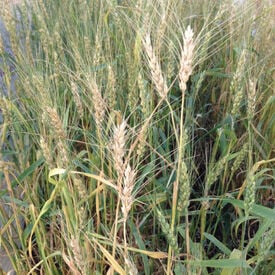
The Winter Wheat is a cool weather grain that is quick to germinate, cold tolerant and is adaptable to a wide range of soils! This wheat can be sown in late summer for erosion control and tilled under in early spring to add organic matter. The Winter Wheat is winter hardy nearly anywhere, and won't go to seed until its second year of growth. Use: Erosion Control, Green Manure, Nitrogen Scavenger, No Till, Weed Suppression
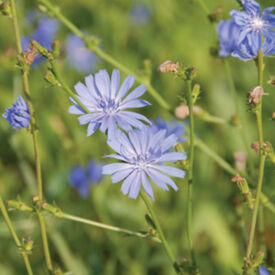
Chicory has a long taproot that penetrates subsoils which makes it drought tolerant and allows it to make minerals more available to livestock. Rich in potassium, sulfur, calcium, zinc, sodium, manganese and iron. When managed properly, Chicory produces leafy growth which is higher in nutritive and mineral content than alfalfa and other cool season grasses. Used mainly in mixes with other pasture or cover crop seeds. Chicory (Cichorium intybus L.) - Warm season, broadleaf - Perennial - Upright and spreading growth habit - Protein levels: 10-32% - Forms arbuscular mycorrhizal associations Uses: - Bees & Beneficial Insects - Chicken Forage - Deer Attractant - Forage
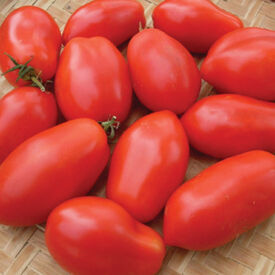
The Napoli Tomato is an exceptional, bright red Italian paste type that is perfect for slicing, freezing and canning or making into sauce, soups or paste! This tomato plant variety produces heavy yields of 1.5 x 3 inch fruits that weigh around 3 ounces. The Napoli is a favorite for being juicy and meaty.