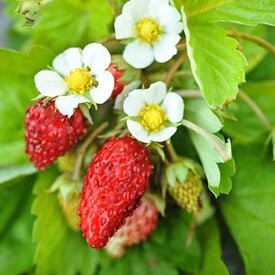
Fragaria vesca var. semperflorens ‘Golden Alexandria’ is a striking Alpine strawberry selection descended from long-cultivated European woodland forms, known for its unique chartreuse-to-golden foliage that adds ornamental flair to gardens. Unlike traditional runnering strawberries, it forms compact clumps that continuously fruit from late spring into fall, producing numerous small, bright red berries. The flavor is intensely sweet and aromatic, carrying the rich wild-strawberry taste that Alpine types are famous for, making them popular with gourmet growers. Its colorful leaves provide season-long visual interest, while the fragrant berries offer a delicious contrast, making ‘Golden Alexandria’ both decorative and highly flavorful.
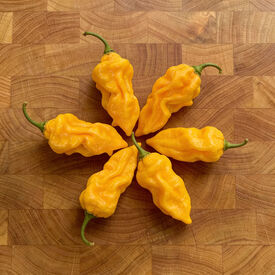
The Devil's Tongue Pepper has an intense heat with a delicious citrus flavor! This unique variety bears long 3" wrinkly textured fruits that ripen to a fiery red! The Scovilles on this pepper range from 125,000 to 325,000, so handle with care! Devil's Tongue is a high yielder, so you can enjoy an abundance of hot sweet peppers.
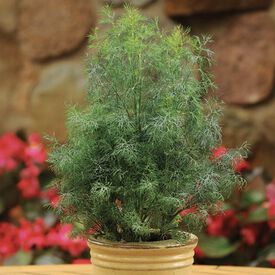
Fernleaf dill seeds produce a compact, refined form of dill developed in the late 20th century for home gardens and container growing, offering classic dill flavor in a smaller, neater plant. Also known as dwarf dill or compact dill, Fernleaf is characterized by finely cut, feathery blue-green foliage, sturdy stems, and a slower tendency to bolt compared to traditional tall dill varieties. The aromatic leaves and seeds are prized for fresh use, pickling, and seasoning fish and vegetables. Easy to grow, Fernleaf dill thrives in full sun and well-drained soil, preferring cooler temperatures and consistent moisture. Sow seeds directly in the garden after the danger of frost has passed, thin seedlings to allow good air circulation, and harvest regularly to encourage continuous leaf production.
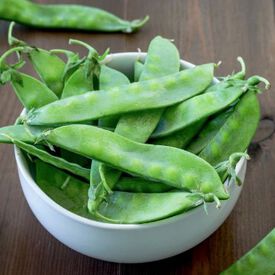
Dwarf White Sugar peas are a compact, heirloom variety of edible-podded peas prized for their sweet, tender pods and early harvest. Growing to just about 2 to 3 feet tall, they require little to no support, making them ideal for small gardens and containers. These peas produce delicate white flowers followed by flat, crisp pods that can be eaten whole, either raw or cooked. Known for their mild, sugary flavor, Dwarf White Sugar peas are often harvested young for the best texture and taste. They thrive in cool weather and are typically among the first vegetables ready to harvest in the spring garden.
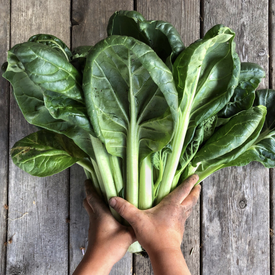
Tatsoi is a flavorful and versatile Asian green that thrives in cooler weather, making it a popular choice for spring and fall plantings. Known for its glossy, dark green, spoon-shaped leaves, Tatsoi has a mild, mustard-like flavor with a slight sweetness, making it a great addition to salads, stir-fries, or as a garnish. Tatsoi seeds produce compact, rosette-shaped plants that grow quickly and are easy to harvest, often within 30 to 40 days. This hardy green is also appreciated for its high nutritional value, offering a rich source of vitamins A, C, and K, as well as calcium and iron. Its adaptability and fast-growing nature make Tatsoi a favorite among both commercial growers and home gardeners looking to add a nutrient-dense and visually appealing crop to their gardens.
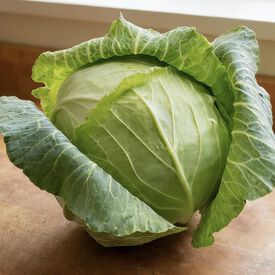
First released in 1909 by H. Hartmann & Company, this historic Danish cabbage has earned its reputation as a dependable garden classic and a benchmark for many modern varieties. It forms dense, well-wrapped heads measuring about 6–8" across and weighing 3–4 pounds, making it an excellent choice for smaller gardens. Plants mature quickly, adapt well to a wide range of growing conditions, and show strong resistance to splitting. Once harvested, the firm heads store exceptionally well—often lasting up to six months—adding to the long-standing appeal of this time-tested heirloom.
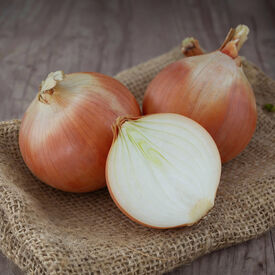
Yosemite onion seeds produce a dependable, open-pollinated storage onion developed for long-day growing regions and valued for its uniform bulbs and excellent keeping quality. Bred from traditional American storage onion lines, Yosemite was selected for adaptability, disease resistance, and consistent yields in cooler northern climates. This variety forms medium to large, round bulbs with golden-brown skins and firm white flesh that offers a balanced, mildly pungent onion flavor ideal for cooking and long-term storage. Yosemite onions thrive in full sun and fertile, well-drained soil, requiring consistent moisture during early growth. Start seeds indoors 10–12 weeks before the last frost or direct sow as soon as soil can be worked in spring, keep beds weed-free, and harvest once tops fall and skins cure for optimal storage life.
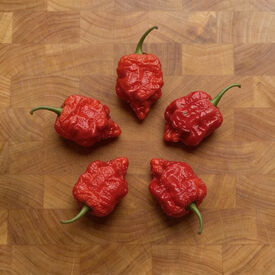
The super-hot Dragon's Breath pepper might be tiny, but it is out of this world! Ranking 2.48 million Scoville heat units, this 1/2 inch pepper is the second world's hottest pepper after Pepper X! The Dragon's Breath 7-24 times hotter than a habanero and 2-3 times hotter than the spicy ghost pepper. These small crazy hot peppers mature to a fiery red color matching its flavor!
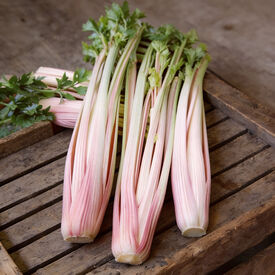
The Peppermint Stick's tender prolific stalks have real celery flavor! This unique, bicolored striped celery is red and white and full of flavor. It is a slow bolting variety. Use the Peppermint Stick's leaves and stalks for fresh seasoning. This celery is definitely a colorful addition to your garden!
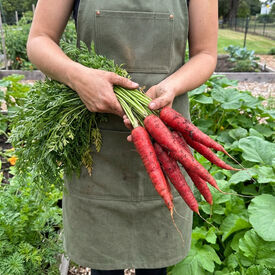
Atomic Red carrots are rich in vitamins and minerals! Bright red root, tapered 1.5 x 11" long, super healthy high lycopene, crispy, intense color even when cooked. Atomic Red carrots are very healthy and unique-looking. The bright red is sure to add color to your garden. Atomic Red is especially high in the anti-oxidant lycopene, which is also found in tomatoes.
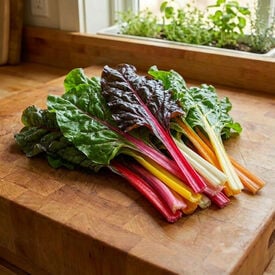
This heirloom Rainbow Swiss chard is remarkably easy to grow and delivers a steady harvest of nutritious greens from a single sowing all season long. Plants feature an upright growth habit that keeps leaves clean and makes harvesting simple, whether picked young or at full size. The vibrant blend of stems ranges from red, pink, white, yellow, and gold, paired with leaves that shift from bright lime green to deep purple-green as they mature. While baby leaves tend to show softer tones—mostly pinks, reds, and whites—the colors intensify as plants reach full size, creating a striking and colorful display that’s as eye-catching in the garden as it is at market.
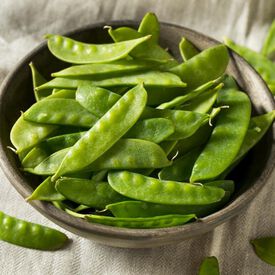
Sugar Lace peas are a unique variety of edible-podded peas known for their attractive, semi-leafless vines with tendrils that help them cling and climb, reducing the need for support. These peas produce sweet, crisp pods that are stringless and ideal for fresh eating, stir-frying, or steaming. Unlike traditional shelling peas, Sugar Lace peas are enjoyed whole, pod and all, making them a convenient and nutritious garden snack. They are a late-season type with high yields and excellent disease resistance, thriving best in cool weather and well-drained soil. Their compact growth habit also makes them suitable for small gardens or container planting.