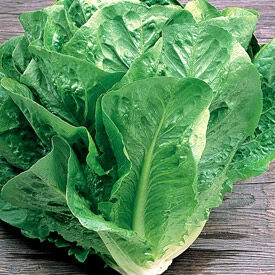
The Green Towers Lettuce is an easy to grow, tasty green leaf lettuce. This lettuce variety offers a mild flavor with an attractive semi-savoyed texture. The Green Towers is a favorite for its adaptability and dense habit! This lettuce will grow great in any climate!
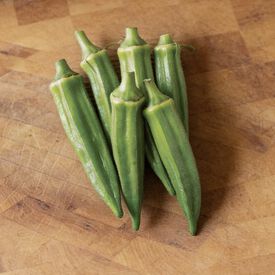
Just like its name, the Jambalaya Okra is the perfect okra for making jambalaya! This variety produces dark green, smaller and more tender pods! This okra is an extra-early maturing variety that boasts a very compact plant with small leaves. Jambalaya offers high yields of very uniform, shiny, dark green pods.
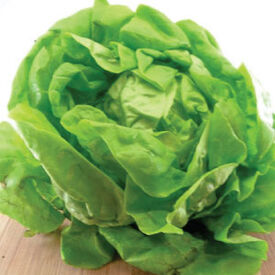
Bibb is a crisp, clean, and easy to grow butterhead lettuce that has light green leaves with the occasional red spots. The crispy heads often self blanch in the center. This lettuce variety is perfect for farmers markets and for the home gardener. This Bibb does well in the heat, yet still grows quickly in our cool weather. Lt. John B. Bibb served in the War of 1812, represented Logan County in the Kentucky House of Representatives and the state Senate from 1827 to 1834. Lt. Bibb was also an amateur horticulturist and developed the Bibb lettuce we know and love today. However, it wasn't offered commercially until 1935.
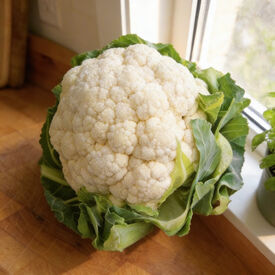
The Snow Crown cauliflower is a delicious, mild and sweet hybrid. This cauliflower's head will get to 7-8 inches across and 1-2 pounds. The Snow Crown is extra early and adaptable and can be harvested in summer or fall. Be careful not to under-fertilize or water, stress can cause a purplish discoloration on the undersides of the head.
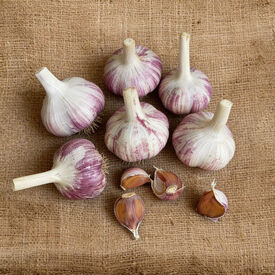
Bogatyr garlic are small and intense. Its bulb wrappers are thick and parchment-like with white skin showcasing purple and violet stripes. As you peel away the outer wrappers, the purple striping intensifies, becoming almost a solid mix of purple hues surrounding the cloves. A single bulb will house five to six plump cloves. The peeled cloves are creamy white and dense. Bogatyr garlic is known for its fiery, raw heat that diminishes quickly to a mild and pleasant flavor.
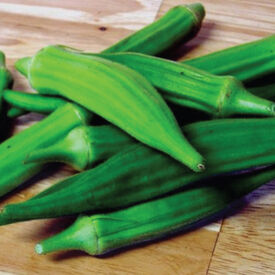
The Emerald Okra is a beautifully bright early maturing okra variety! This okra is an old heirloom variety from the 1950's that was first developed by the Campbell's Soup Company. This variety produces straight okra that keeps its vibrant green color even after being cooked. Emerald Okra is best harvested between 3-4" for the most tender and tasty pods.
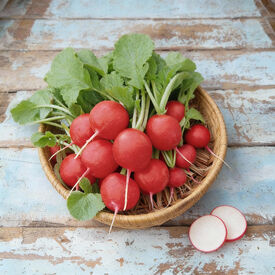
The Cherry Belle Radish is the earliest maturing, garden standard radish. This variety is a 1949 All-American Winner and there is no wonder why. This radish retains its fine eating quality all season. The Cherry Belle is a round, smooth, scarlet beauty. This radish is 3/4" inches across with a crisp, white flesh that is ideal for garnishes or use in salads.
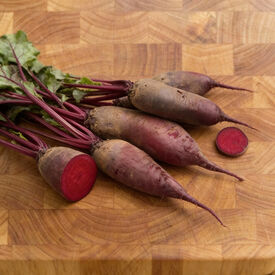
Cylindra beets, also known as "Formanova" or "Butter Slicer," are a unique variety of beetroot known for their elongated, cylindrical shape. These beets have a fascinating history, originally hailing from Europe, particularly Denmark, where they were developed in the early 20th century. Their distinctive shape was cultivated to make them easier to slice and can, a practical innovation that has made them popular among home gardeners and commercial growers alike. In terms of taste, cylindra beets are mild and sweet, with a slightly earthy flavor. They are known for their tender, non-fibrous texture, making them excellent candidates for pickling, roasting, or slicing thinly for salads. Their deep red-purple skin contrasts beautifully with the vibrant, dark red flesh inside, adding an attractive element to culinary dishes. Cylindra beets typically grow to be 6-8 inches in length and 2 inches in diameter. They are ready for harvest in approximately 55-65 days from planting, making them a relatively quick-growing beet variety. They thrive in well-drained, loamy soil with full sun exposure. When it comes to disease resistance, cylindra beets tend to be more resistant to common beet diseases like leaf spot and powdery mildew than some other beet varieties. Proper spacing is crucial, with about 2-3 inches between each plant and rows spaced 12-18 inches apart. With the right care and growing conditions, cylindra beets can yield a bountiful crop of these delicious and uniquely-shaped vegetables, making them a favorite among gardeners and chefs.
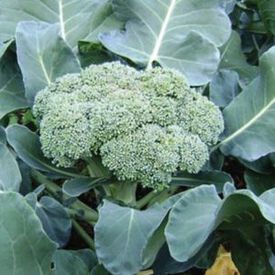
Calabrese Green Sprouting broccoli is a popular and nutritious vegetable known for its tender florets and robust flavor. Originating from Italy, specifically the Calabria region, this variety was cultivated for centuries before gaining popularity worldwide, especially in home gardens and markets. Calabrese broccoli include its sturdy, upright stalks and large, vibrant green heads that typically form in loose clusters. The color is a rich, dark green, with tightly packed florets that can range from small to medium-sized. When cooked, Calabrese broccoli offers a slightly sweet and earthy flavor, making it a versatile ingredient in a variety of dishes, from stir-fries to soups. An appealing attribute of Calabrese is its ability to produce side shoots after the main head is harvested, providing multiple harvests throughout the season. This variety is also valued for its nutritional benefits, being rich in vitamins C and K, fiber, and antioxidants. Its hardiness and adaptability make Calabrese green sprouting broccoli a favorite among gardeners and cooks alike.
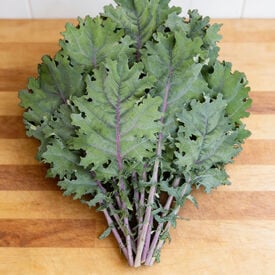
The Red Russian Kale is a very tender, colorful specialty kale for salad mix and bunching. This variety is a special, refined strain. Its stems are purple and leaves are deep gray-green with purple veins. This flat, noncurled, and tooth-edged kale has a wonderful taste. Red Russian matures medium-tall and leaves are tender compared to other kales.
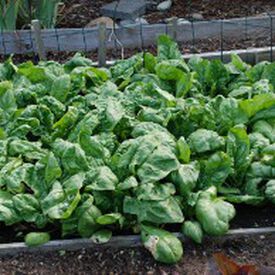
The Olympia is a top-notch smooth leaf hybrid spinach that has a great flavor. This spinach Hybrid has thick and dark green leaves that grow upright. The Olympia is highly recommended for spring, summer, fall and over wintering crops because it resists bolting under high temperatures and long day conditions. Treated seed.
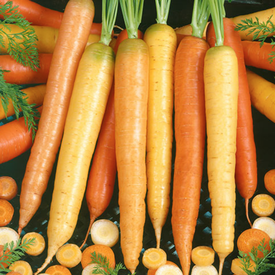
The Culinary Blend contains a tasty mix of yellow, white, and orange carrots. Each variety is suited for both baby root production and cooking. This blend is excellent roasted in the oven. All three varieties are prized for flavor and color.
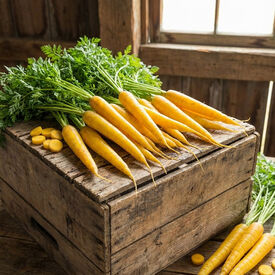
Solar Yellow carrots are a delightful and unique variety that brings a vibrant burst of color to your garden and plate. Distinguished by their bright yellow hue, these carrots stand out among the more traditional orange varieties, offering a sunny and cheerful appearance. Their color is due to the presence of xanthophylls, which are natural pigments that also contribute to their mild, slightly sweet flavor. Solar Yellow carrots are known for their crisp texture and tender bite, making them a versatile addition to both raw and cooked dishes. This golden carrot has 6-7 inches tapered roots.
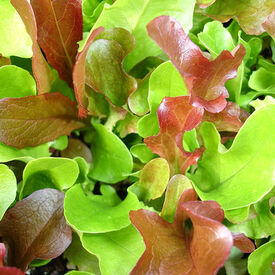
The Garden Mesclun Blend is a mixture of light green to emerald, and bronze to deep red lettuces as well as endive and radicchio for a crunchy, zesty flavor that is a perfect addition to any salad!
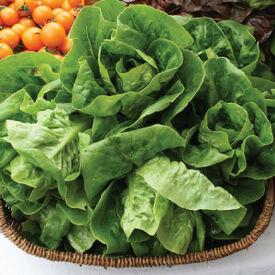
Little Gem lettuce is a small, compact variety that belongs to the Romaine family. Known for its tender, crisp leaves and sweet, mild flavor, it has become a favorite in both casual and fine dining. The heads are typically about the size of a fist, with tightly packed, bright green leaves that are both crunchy and delicate. Its flavor is a perfect balance between the slightly bitter taste of Romaine and the mild sweetness of Butterhead lettuce. Little Gem is often used in salads, sandwiches, or as a base for grilling, where its natural sweetness intensifies. Its small size also makes it an ideal choice for individual servings or garnishes. Rich in vitamins A, C, and K, it’s not only flavorful but also nutritious. Little Gem's heads are about 4 inches across and are prime eating from 4-6 inches tall. The plants can be spaced 6 1/2 by 6 1/2 inches for maximum yields. Growing Little Gem lettuce is relatively easy and well-suited to home gardeners, thriving in cool, temperate climates. This compact variety of lettuce prefers full sun but can tolerate partial shade, especially in hotter weather. It grows best in well-drained, fertile soil with a slightly acidic to neutral pH. To plant, sow seeds directly into the soil in early spring or late summer, spacing them about 6-8 inches apart to allow for proper air circulation and growth. Little Gem lettuce thrives with regular watering, but it’s important to avoid waterlogging, as this can lead to root rot. As it matures, the small heads form tight, crisp rosettes. Harvesting can begin in around 30-45 days, typically when the heads are firm but still small. For continuous harvest, sow new seeds every couple of weeks. Little Gem lettuce is also ideal for container gardening due to its compact size, making it a great choice for small spaces or urban gardens.
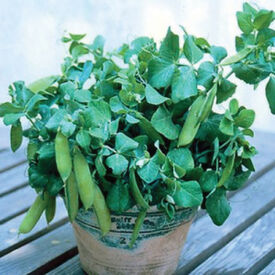
Just like its name, the Tom Thumb Pea is a tiny bush pea plant perfect for containers! If you are hurting for space but want to grow some delicious peas, try the Tom Thumb! This pea variety produces pea pods on a tiny pea plant.
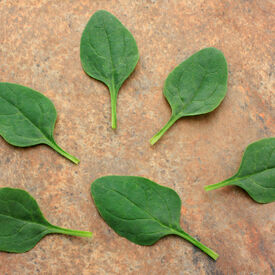
Riverside is a smooth spinach with dark green leaves. Grown mostly for its spade-shaped baby leaf harvesting. Riverside produces at normal rates with an upright plant habit. Excellent for growers who want premium quality product. Riverside is also very resistant to downy mildew.
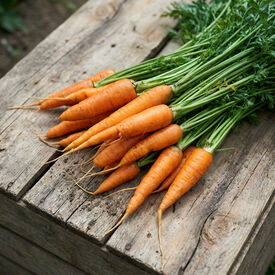
Little Finger carrot seeds grow into a petite, gourmet variety that originated in France and has been cherished since the mid-20th century for its tender, sweet flavor and snackable size. This Nantes-type carrot matures quickly in just 55–65 days, producing smooth, cylindrical roots about 3–4 inches long, making it perfect for small gardens and container growing. Its bright orange flesh is crisp, juicy, and sugary, often eaten fresh right from the garden, but also excellent for steaming, roasting, or pickling. Known as a child-friendly carrot because of its size and sweetness, Little Finger is ideal for fresh snacking, lunchboxes, and gourmet dishes, while also storing well for extended use.