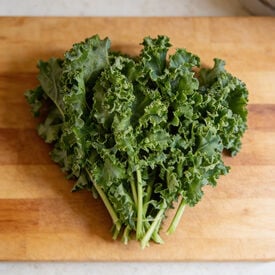
The Blue Curled Scotch Kale can be used as a garnish and or in hearty winter dishes. This kale variety is a compact plant with very tender, blue-green, crinkled leaves that are quite delicious, very cold hardy, and rich in vitamin A.
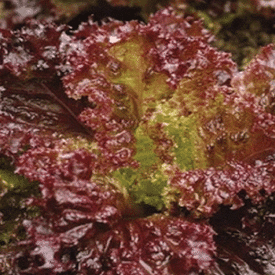
Lolla Rossa lettuce is a beautiful Italian heirloom variety originating from the Lolla region near Bergamo, known for its striking deep-red, frilly leaves and crisp texture. Typically forming compact, loose-leaf rosettes about 6 to 8 inches across, it adds vibrant color and visual appeal to salads and garden beds alike. The leaves are tender yet slightly crunchy, offering a mild, slightly bitter flavor with a subtle nutty finish. Lolla Rossa thrives in cool weather and prefers full sun with well-drained, fertile soil rich in organic matter. It grows best in temperatures between 45–70°F and benefits from consistent moisture, making it ideal for spring and fall planting.
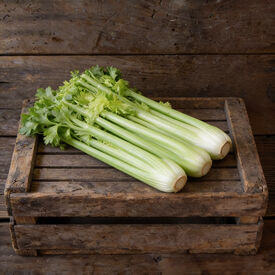
Tall Utah celery, developed in the early 20th century in Utah, is renowned for its tall, sturdy stalks and exceptional flavor. This variety features vibrant green, crisp stalks that can reach heights of 18-36 inches, making it a standout in gardens. The taste is mild and slightly sweet, perfect for fresh eating or cooking in a variety of dishes. Harvesting typically occurs 85-100 days after planting, when the stalks are firm and well-developed; gardeners can choose to cut the entire plant or selectively harvest individual stalks as needed. Tall Utah celery thrives in cool climates and requires consistent moisture, making it a favorite for both home growers and commercial producers.
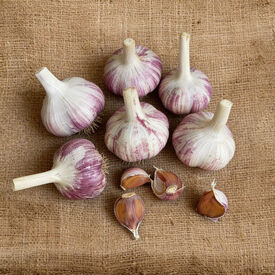
Bogatyr garlic are small and intense. Its bulb wrappers are thick and parchment-like with white skin showcasing purple and violet stripes. As you peel away the outer wrappers, the purple striping intensifies, becoming almost a solid mix of purple hues surrounding the cloves. A single bulb will house five to six plump cloves. The peeled cloves are creamy white and dense. Bogatyr garlic is known for its fiery, raw heat that diminishes quickly to a mild and pleasant flavor.
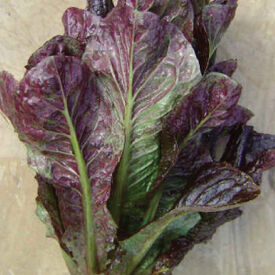
Red Romaine Lettuce has long, crinkled leaves with great crunch! This variety starts green and fades to redish-purple. The Red Romaine's leaves are12" tall and the plant is about 10-12" wide. This lettuce is often used in Caesar salads not only for its crunch, but also for its color. Use Red Romaine lettuce for an incredible edible purple border in your flower beds.
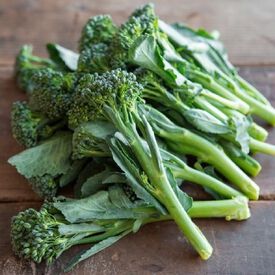
De Cicco broccoli, known for its exceptional taste, is a popular heirloom variety of broccoli (Brassica oleracea) that hails from Italy. This Italian heirloom has been cultivated for generations, making it a favorite among gardeners and chefs alike. De Cicco broccoli is classified as a compact, semi-dwarf type of broccoli, and it is highly prized for its versatility in the kitchen and its relatively quick maturity. De Cicco broccoli boasts a mild, slightly sweet flavor with a hint of nuttiness. Its tender, dark green florets are surrounded by a profusion of lush leaves. The compact plant typically reaches a height of 18-24 inches, making it suitable for smaller gardens or container growing. De Cicco is known for its relatively short days to maturity, typically taking around 48-65 days from seed sowing to harvest. This broccoli variety is characterized by its vibrant, dark green color, which is indicative of its high nutrient content. De Cicco broccoli exhibits strong disease resistance, particularly against common broccoli ailments like downy mildew and clubroot, which can be a relief for growers. When properly cared for, De Cicco broccoli can yield a bountiful harvest of small to medium-sized heads, often producing side shoots after the main head is harvested. For optimal growth, it's recommended to sow De Cicco broccoli seeds in well-drained soil with full sun exposure. Plant the seeds 1/4 to 1/2 inch deep, spacing them about 18-24 inches apart to provide enough room for the plants to mature and thrive. Additionally, consistent watering and adequate fertilization can help ensure a successful De Cicco broccoli crop.
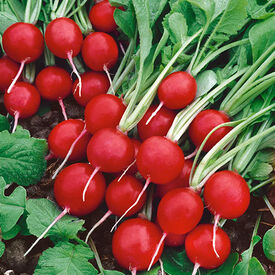
Rudolf Radish produces smooth, cherry-red, perfectly round roots with a crisp bite and classic, bold radish flavor. This vigorous, high-yielding variety is one of the easiest to grow and performs reliably in both spring and fall plantings. Roots size up quickly and uniformly, making them ideal for early harvest as cute mini radishes—or left to mature for full size without sacrificing texture or taste. A dependable choice for consistent shape, color, and crunch.
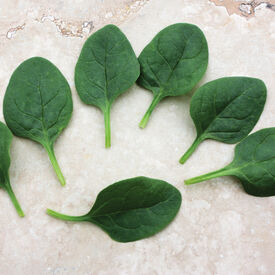
Seaside produces very uniform and great tasting baby leaf spinach. Stays baby size for extended period of time extending the season. Seaside has a nice, smooth, thick, very dark green, spade-shaped leaf making it a perfect choice for baby leaf growers. Seaside has great downy mildew resistance.
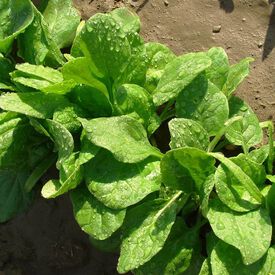
The Viroflay Spinach is a gourmet French heirloom that was developed prior to 1866. The big, smooth leaves of this Spinach variety is a deep green color and grows up to 10 inches long. This very fast growing plant is popular for fall planting.
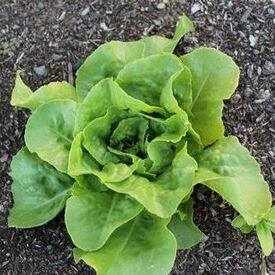
The Optima Lettuce is a large-framed Boston type that produces dark green leaves that have excellent heat tolerance and will resist bolting. This variety is known for being resistant to tip burn as well as races 1-4 of mildew. This great lettuce also has a juicy, crisp flavor that is amazing cut up in salads or on sandwiches!
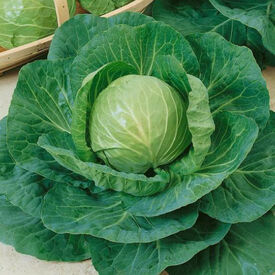
The Green express is a bright green mini cabbage with excellent flavor! This favorite is now available as organic. The early maturing cabbage has a mild flavor and crisp texture that can't be beat. The Green Express can be sown directly in Fall gardens or transplanted in Spring.
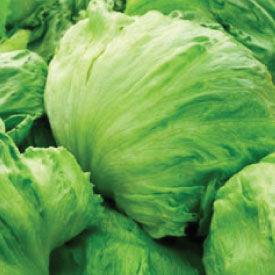
Iceberg Lettuce is the tried and true lettuce that is an easy to grow, slow bolting crisphead. This variety has proven to be one of the most popular crispheads for years! Iceberg is a great lettuce that performs exceptionally well under warm weather conditions. This compact lettuce plant features better leaf texture and quality than other varieties. This variety resists rib discoloration and tip burn.