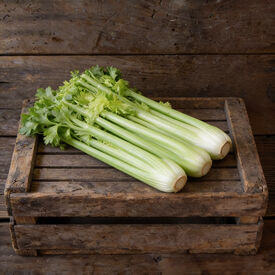
Tall Utah celery, developed in the early 20th century in Utah, is renowned for its tall, sturdy stalks and exceptional flavor. This variety features vibrant green, crisp stalks that can reach heights of 18-36 inches, making it a standout in gardens. The taste is mild and slightly sweet, perfect for fresh eating or cooking in a variety of dishes. Harvesting typically occurs 85-100 days after planting, when the stalks are firm and well-developed; gardeners can choose to cut the entire plant or selectively harvest individual stalks as needed. Tall Utah celery thrives in cool climates and requires consistent moisture, making it a favorite for both home growers and commercial producers.
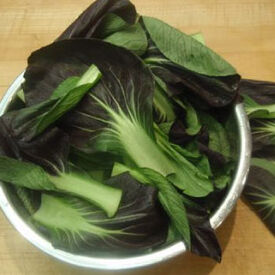
Red Choi is a beautiful Pak Choi cabbage that has an excellent flavor cooked into meals! This variety is green with maroon veins that changes into a deep red color. The Red Choi has a compact growing habit.
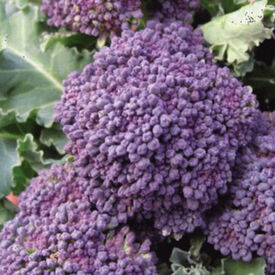
The Early Purple Sprouting broccoli is an heirloom broccoli bred for overwintering! This variety produces lots of beautiful purple broccoli sprouts in the spring. The Early Purple Sprouting grows slowly through the winter; very frost hardy.
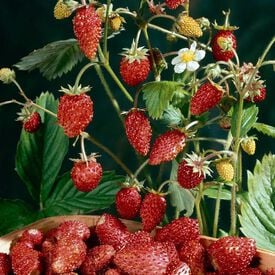
'Mignonette' is the tastiest red alpine variety in our opinion. It has moderate production of 1" long conical shaped fruit has an aroma and taste unlike anything you've ever experienced. Not as hardy as some of the other selections so mulch well for winter in colder zones.
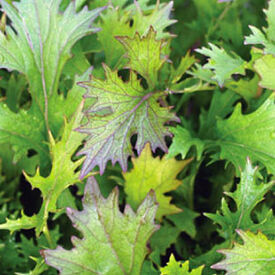
The Mizuna Purple Mustard produces bright purple tinged and sharply serrated green leaves. This is a tasty variety that is fast maturing and slow bolting.
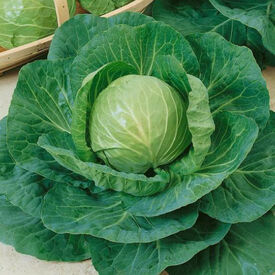
The Green express is a bright green mini cabbage with excellent flavor! This favorite is now available as organic. The early maturing cabbage has a mild flavor and crisp texture that can't be beat. The Green Express can be sown directly in Fall gardens or transplanted in Spring.
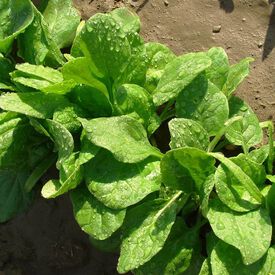
The Viroflay Spinach is a gourmet French heirloom that was developed prior to 1866. The big, smooth leaves of this Spinach variety is a deep green color and grows up to 10 inches long. This very fast growing plant is popular for fall planting.
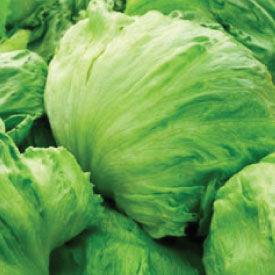
Iceberg Lettuce is the tried and true lettuce that is an easy to grow, slow bolting crisphead. This variety has proven to be one of the most popular crispheads for years! Iceberg is a great lettuce that performs exceptionally well under warm weather conditions. This compact lettuce plant features better leaf texture and quality than other varieties. This variety resists rib discoloration and tip burn.
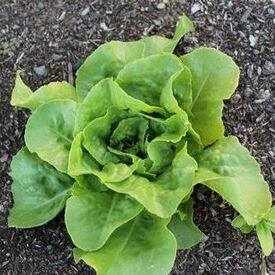
The Optima Lettuce is a large-framed Boston type that produces dark green leaves that have excellent heat tolerance and will resist bolting. This variety is known for being resistant to tip burn as well as races 1-4 of mildew. This great lettuce also has a juicy, crisp flavor that is amazing cut up in salads or on sandwiches!
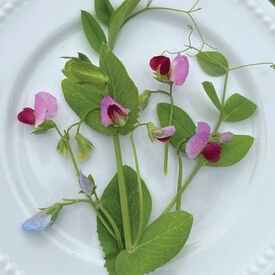
The Dwarf Grey Sugar Pea is one of our customer favorite peas! Produces an abundance of attractive purple and blue flowers. These flowers are edible, have a light pea flavor and look great on many dishes. The mature peas are very flavorful and is ideal for steaming, stir-frying or eating fresh out of the garden. Dwarf Grey Sugar Pea is suitable for northern and southern regions, as it is tolerant to heat and cold.
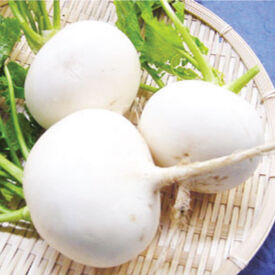
The Seven Top is a tender, round and beautiful white globed turnip variety that produces consistently for a long period! This turnip is the best variety for producing masses of fine-flavored, old-fashioned, turnip greens that makes the ultimate southern staple!
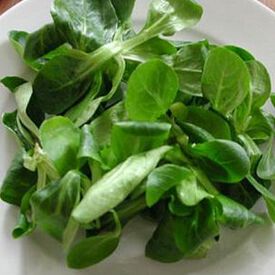
Vit Mâche, also known as corn salad, lamb’s lettuce, or mâche, is a cool-season leafy green with a long history in Europe, where it was foraged in fields and vineyards before becoming a cultivated crop in the 17th century. This compact plant forms small rosettes of tender, spoon-shaped leaves that are deep green and naturally high in vitamins A and C. Its flavor is mild, slightly nutty, and gently sweet, making it a favorite for winter and early-spring salads. Mâche thrives in cool weather, germinating best in fall or early spring, and prefers rich, well-drained soil with consistent moisture. It’s cold-tolerant enough to survive light frosts, allowing gardeners to harvest the delicate rosettes over a long season with minimal care.
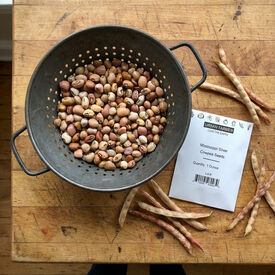
The Mississippi Silver cowpea is adapted to hot humid climates, but does well in most climates. This variety produces pods 6-7 " long, and that are colored silver, occasionally streaked with rose. The Mississippi Silver is easy to grow and shell. If you are using for Nitrogen fixation we highly recommend using a cowpea inoculant. Try with cowpea inoculant for maximum Nitrogen fixation.
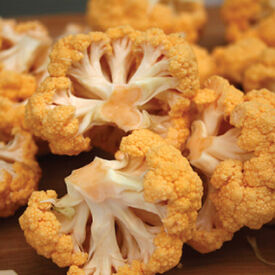
The Cheddar cauliflower lives up to its name with its awesome cheddar color and great flavor! This cauliflower is a novelty, orange curd that is high in beta-carotene. A mid-size plant, domed head, and is very productive in the fall. Fun to watch grow and eat!
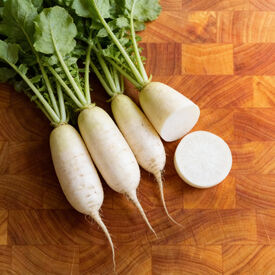
Minowase radish seeds produce a classic Japanese daikon variety with origins in East Asia, where long-rooted radishes have been cultivated for centuries for their productivity and versatility. Known for its smooth white roots that often reach 12–18 inches, Minowase features crisp, juicy flesh with a mild, slightly sweet, lightly peppery flavor that is far gentler than smaller spring radishes. Its clean taste and firm texture make it ideal for microgreens, sprouts, salads, pickling, stir-fries, soups, fermenting, and even grating fresh as a condiment. This variety grows best in cool weather and loose, deeply prepared soil that allows for long, straight roots; sow seeds directly in late summer or early fall, provide consistent moisture, thin seedlings to prevent crowding, and harvest before hard frosts for the best quality.
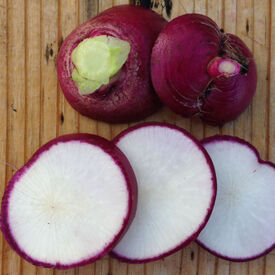
The Purple Plum is an amazing purple skinned radish with a crisp, mild and sweet white flesh! This unique radish is different from the "typical" radish coloring. This small round shaped radish is early to harvest, which makes it great for home and market growers. Purple Plum is a nice variety to blend with other colors in mixes!
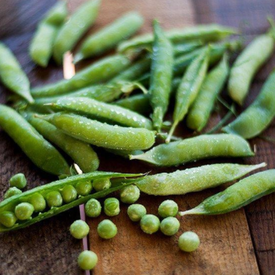
The Knight Pea is the highest yielding, early maturing pea that we have! This pea variety's vines are short and therefore require no staking. Its huge pods can grow to be 4 inches with up to 10 peas in each pod! Knight is a favorite for its tender and sweet flavor, making it the perfect side dish.
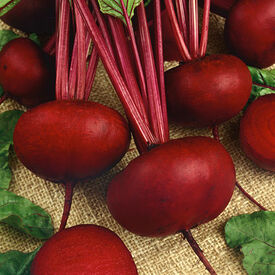
The Crosby Egyptian beet is a standard early bunching beet for table or market, a favorite that is now also available in organic seeds. The flattened heart-shaped roots and dark-red flesh of this beet is equally appetizing as it is beautiful. The Crosby Egyptian is also the largest early variety beet and will keep its shape until fall. Enjoy both the roots and the tops chopped up in a salad! Certified Organic. Learn more about our organic seeds.