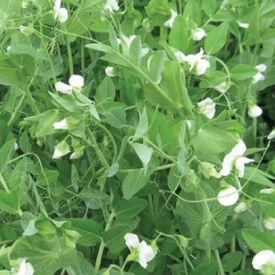
The Austrian Winter Pea, sometimes called black pea or field pea, is a great cool season legume for cover crops, wildlife and winter grazing! This cool-season, annual legume has good, nitrogen-fixing capabilities. The Austrian Winter Pea is a low-growing, viny legume which has been shown to fix over 200 pounds of nitrogen per acre per year. It has hollow, slender and succulent stems, 2 to 4 feet long. The foliage is pale green, and the flowers are colored, usually purple, pink or reddish. Uses: Chicken forage, deer attractant, forage, green manure, nitrogen fixation, no till, organic matter (biomass), weed suppression
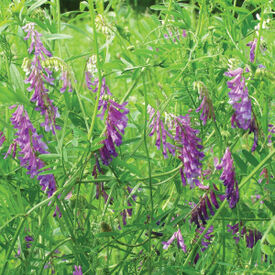
When sown late summer, the Hairy Vetch spring regrowth is vigorous and nitrogen-producing, for tilling in before planting spring garden crops. You can sow with or without grain, grass or field peas! The typical nitrogen produced of this legume is 100 lbs. per acre. The Hairy Vetch has rapid growth that makes it a good weed suppressant. Uses: Bees & Beneficial Insects, Chicken Forage, Deer Attractant, Erosion Control, Forage, Green Manure, Nitrogen Fixation, No Till, Weed Suppression
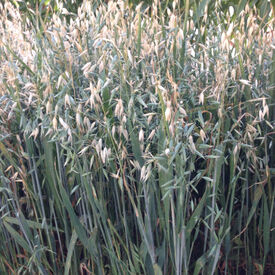
The Jerry Oats is a grain that is a quick growing green manure that will kill off any winter weeds and will hold soil with a mat of vegetation! This high yielding oat can produce over 100 bushels per acre. This grain variety is great for garlic beds and other vegetables. The oats stay green into November and form a mulched bed for spring planting. The Jerry Oats are also great for underseeding with a legume. Uses: Erosion prevention, Green Manure, Nitrogen Scavenger, No Till, Organic Matter, Weed Suppresion
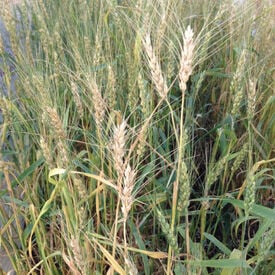
The Winter Wheat is a cool weather grain that is quick to germinate, cold tolerant and is adaptable to a wide range of soils! This wheat can be sown in late summer for erosion control and tilled under in early spring to add organic matter. The Winter Wheat is winter hardy nearly anywhere, and won't go to seed until its second year of growth. Use: Erosion Control, Green Manure, Nitrogen Scavenger, No Till, Weed Suppression
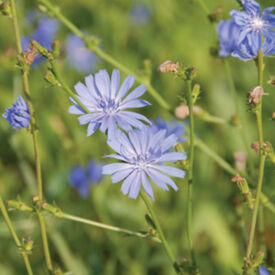
Chicory has a long taproot that penetrates subsoils which makes it drought tolerant and allows it to make minerals more available to livestock. Rich in potassium, sulfur, calcium, zinc, sodium, manganese and iron. When managed properly, Chicory produces leafy growth which is higher in nutritive and mineral content than alfalfa and other cool season grasses. Used mainly in mixes with other pasture or cover crop seeds. Chicory (Cichorium intybus L.) - Warm season, broadleaf - Perennial - Upright and spreading growth habit - Protein levels: 10-32% - Forms arbuscular mycorrhizal associations Uses: - Bees & Beneficial Insects - Chicken Forage - Deer Attractant - Forage
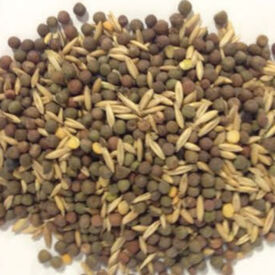
Using the Field Peas and Oats Blend throughout your garden is a great way to fix nitrogen and add organic matter to the soil! This blend contains a great ratio of grass and legume cover crop for fixing nitrogen, winter cover, weed suppression and more. The Field Peas and Oats Blend should be sown from early spring to late summer. Sow no later than 6 weeks before first fall frost in your area. This variety is gold hardy enough to grow long into the fall leaving behind a great mulch for soil protection. (75% peas / 25% oats by weight) Seed Coverage: - 5 lbs covers 2,000-4,000 sqaure feet - 100 lbs covers 1-2 acres Uses: Deer Attractant, Green Manure, Nitrogen Fixation, No Till, Organic Matter (Biomass), Weed Suppression
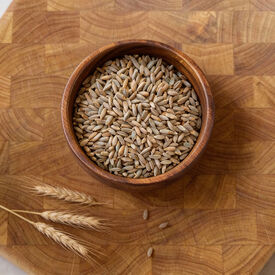
Developed in the mid-1970s by the Polish Plant Breeding Institute in Poznan, Danko Rye was bred specifically for milling high-quality flour used in traditional European-style baking. This hardy winter rye produces large, plump berries that are also prized by brewers and distillers for their rich character and performance as a whole grain. Known for its bold, complex flavor, Danko Rye brings deep, spicy notes and a dense, hearty texture to breads. It offers excellent baking qualities, including strong gluten strength for rye, which helps loaves hold their shape—an important trait for artisan bakers. Its distinctive taste and versatility have made it a trusted favorite for both baking and craft distilling.
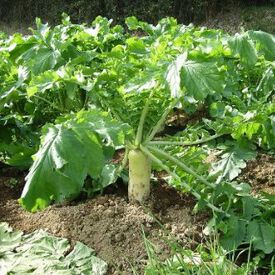
The Jackhammer Radish is a fast growing daikon radish variety that is a great scavenger that will start germinating immediately! This variety is very easy to grow. The Jackhammer Radish is good for winter kills and turns into great biomass. Radish (Brassica): Cool Season, broadleaf, Annual, Upright and spreading habit, Root Crop Uses: Nitrogen Scavenger, Green Manure, Forage, Organic Matter, Weed Suppression
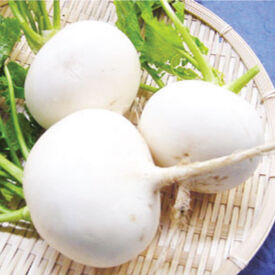
The Seven Top is a tender, round and beautiful white globed turnip variety that produces consistently for a long period! This turnip is the best variety for producing masses of fine-flavored, old-fashioned, turnip greens that makes the ultimate southern staple!
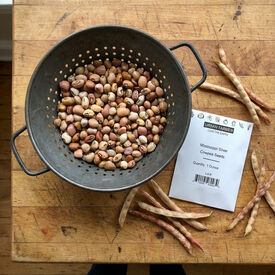
The Mississippi Silver cowpea is adapted to hot humid climates, but does well in most climates. This variety produces pods 6-7 " long, and that are colored silver, occasionally streaked with rose. The Mississippi Silver is easy to grow and shell. If you are using for Nitrogen fixation we highly recommend using a cowpea inoculant. Try with cowpea inoculant for maximum Nitrogen fixation.
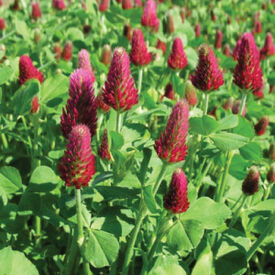
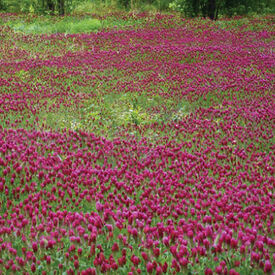
The Crimson Clover is an attractive winter annual that can be planted fall or early spring and will protect and improve the soil. This good nitrogen fixer (70-150 lbs per acre per year) blooms showy crimson flowers in late spring that are an excellent source of nectar for bees. This variety inter-seeds well with grass, making it a great way to ready your vegetable garden for the spring or beautify a landscape! Not to be confused with the tough perennial clovers that can take over a meadow. Uses: Bees & Beneficial Insects, Chicken Forage, Compaction Control, Deer Attractant, Erosion Control, Forage, Green Manure, Nitrogen Fixation, No Till, Weed Suppression
The Medium Red Clover is fast to establish and can be grown in most soil types as well as sowed in spring, summer or fall! This clover works well for hay or silage. The Medium Red Clover can be used as a cover crop between rows of vegetable crops if mowed to maintain manageability. This clover can fix up to 150 lb. of nitrogen per acre. Uses: Bees & Beneficial Insects, Chicken Forage, Compaction Control, Deer Attractant, Erosion Control, Forage, Green Manure, Nitrogen Fixation, No Till, Weed Suppression