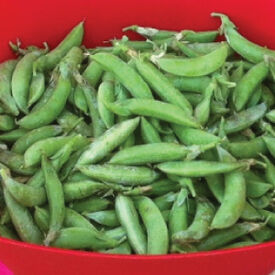
Sugar Ann is a 1984 All America Selections winner! This snap pea variety has an edible pod that offers earliness, productivity, and a compact growth habit. The crisp, sweet succulent 3 inch pods are ready to eat in just 10 to 14 days ahead of the original Sugar Snap, and remain in prime eating condition for days.
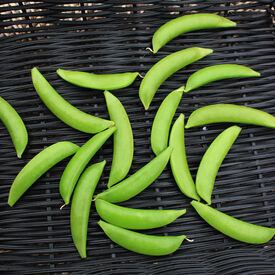
Little SnapPea Crunch is perfect for smaller gardens or container growing! These pea plants are compact yet very productive. Little SnapPea Crunch produces crunchy, sweet, juicy, edible pod peas in about 58-60 days. These peas do well as the weather warms and pea shoots, mature in 13 days and displays very short internodes. Leaves are great as a garnish or as a stand-alone salad green.
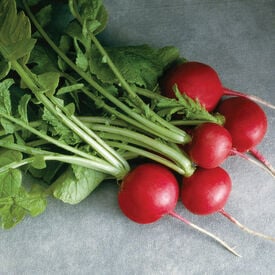
Crunchy Red produces large tops and very uniform dark red, round roots. This variety is very slow to develop pith. It performs well under cool conditions. It’s usually a few days earlier than standard varieties. Crunchy Red is desirable where larger roots are required.
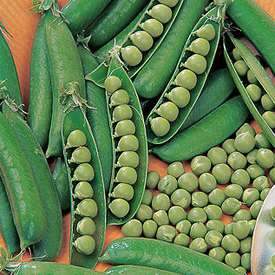
The Spring Pea is the sweetest pea pod you can grow in the garden! This variety is a very early maturing medium sized pea plant that produces super sweet peas. Spring bears large crops of pods that hold 6 to 7 plump peas that are delicious in soups and stews.
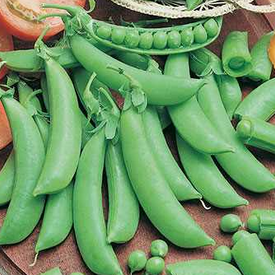
Cascadia Pea is a major garden staple for its heavy yields of great tasting and crispy pea pods. Enjoy bucketloads of large, crisp pods with small, sugary peas! The 3' tall vines should be supported on a trellis or fence. Cascadia's multiple disease resistances allow for spring and late season plantings.
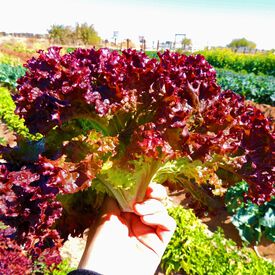
The Selway is a Lolla Rossa type lettuce with beautiful light green and dark purple coloring. This variety has deeply curled loose leaves with frilled dark-purple edges edges. The Selway is an essential in salad mixes for its color and taste. For baby leaf production, this variety can be harvested in 30 days and for full sized leaves, it can be harvested in 55 days and can be cut repeatedly!
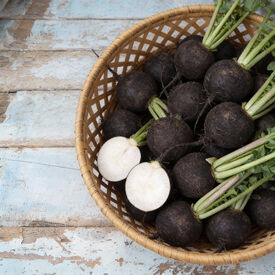
Black Spanish Round Radish is a unique black old heirloom that has a nutty and slightly spicy flavor! This black beauty radish is making a comeback! Its firm flesh holds up well in meals. The Black Spanish Round is best grown from late winter to early spring and is a healthy spring vegetable.
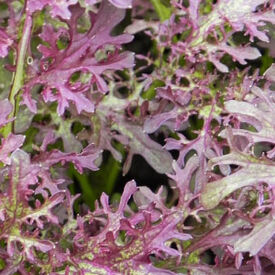
Frizzy Lizzy Mustard produces several unique, ruffled cherry purple leaves that have serrated lobes. This green adds a spicy flavor and spunk to many salad mixes.
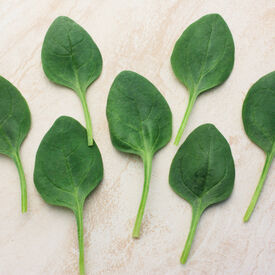
Lakeside smooth leaf spinach with dark green leaves. It has a round to oval leaf shape with an upright plant habit that makes it easy to harvest. It is a very versatile variety it can be used for baby leaf, bunch or clip.
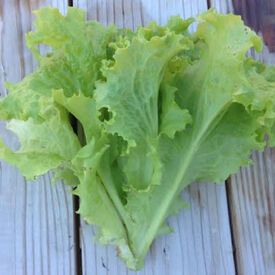
The Seafresh Lettuce was selected for its great heat tolerance! This variety is a great tasting looseleaf lettuce that thrives in hotter climates. The Seafresh Lettuce is a great addition to any garden and will definitely not be a disappointment!
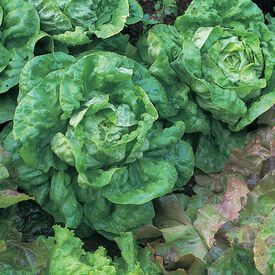
All The Year Round Lettuce is a medium-sized green headed lettuce that is just like its name, good for all the year round! This slow bolt variety is solid even in hot weather, and good for far northern areas as it is very hardy. Sow All The Year Round in spring or late summer!
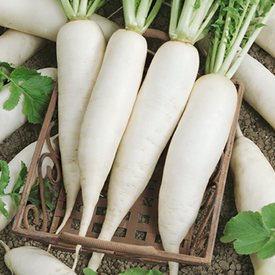
Daikon Radish has a crisp firm flesh is pure white. This Daikon radish, produces long tapered white radishes that are mostly used as winter radishes. The Minowase has a great, mild taste that is excellent in many Oriental dishes. This radish variety is great for spring or late summer planting.