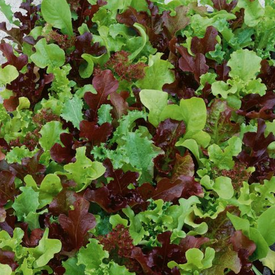
The Mini Greens Blend is a colorful mixture of red and green leaf lettuce varieties that creates a wonderful bright combination. This blend is neither considered a sprout nor true baby leaf lettuce either, these delicious mini greens are somewhere in between! The Mini Greens Blend will give you greens in just 2 weeks from germination to harvest!
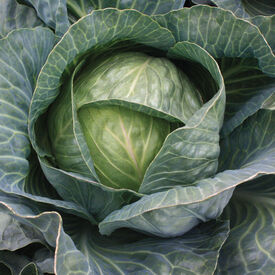
Storage #4 is a great producer of dark green color cabbage that have excellent storage life. This versatile variety also works great in the late fall for fresh market, especially in muddy and rainy conditions. Due to its earliness when used for storage, we recommend later season plantings for best storage results.
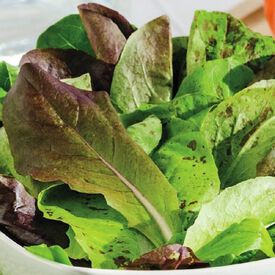
The Romaine Trio Blend is a mixture of three of our specialty romaine lettuces. This tri-colored blend is very popular for not only its beautiful color variation and vigorous growth, but also for its delicious taste.
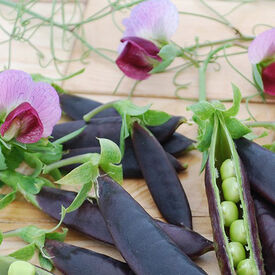
The Sugar Magnolia Pea is a beautiful deep purple colored sugar snap pea that is the result of over 15 years of development! This spectacular beauty has a very sweet flavor and is best before the pods get too fat. Make sure that this climbing variety has a trellis, as its sturdy vines reach to be 6-7 feet tall. Add the Sugar Magnolia to fresh salads or as a steamed side dish for a pop of color!
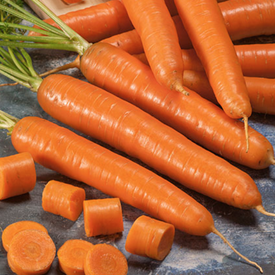
The Bambino carrot is a super sweet baby gourmet carrot. The color develops quickly and can pull early. This carrot produces 4 in. cylindrical blunt roots, very small core, smooth skin, a deep orange color and small dwarf tops. The Bambino was developed for canning & pickling whole and must be harvested early.
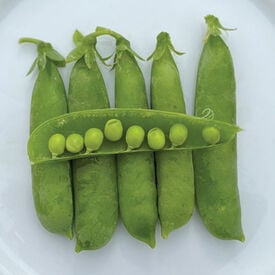
The Little Marvel Pea is a well known old time home garden favorite, that is really a marvel! This pea is an excellent choice selected for its high yield potential and excellent sweet flavor making it the most satisfactory pea in the home garden. This variety's plants are very productive and compact and will grow up to 30" tall. Little Marvel produces small bright green pods with luscious, sugary peas that stay tender and sweet even when fully ripe!
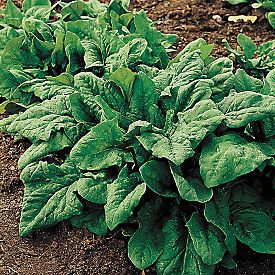
The super sweet Renegade Spinach is simply the best all-around Spinach! This very adaptable spinach variety is early maturing with heavy yields and is easy to grow. Its dark green, rounded leaves are resistant to mildew and arise profusely on compact plants. Renegade is perfect for beginning gardeners and those that have been let down by other varieties!
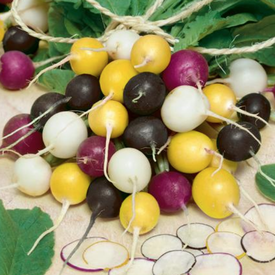
The Halloween Mix contains a "spooky" mix of purple, yellow, black and white radishes. These radishes are mildly spicy and only 5 centimeters in diameter. Everyday can be a scary fun holiday if you succession plant this mixture every two weeks throughout the spring and fall! This radish mix will bring lots of colors to your dishes.
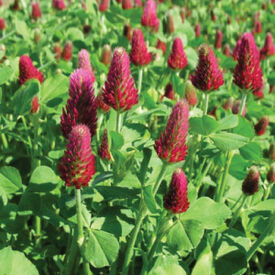
The Crimson Clover is an attractive winter annual that can be planted fall or early spring and will protect and improve the soil. This good nitrogen fixer (70-150 lbs per acre per year) blooms showy crimson flowers in late spring that are an excellent source of nectar for bees. This variety inter-seeds well with grass, making it a great way to ready your vegetable garden for the spring or beautify a landscape! Not to be confused with the tough perennial clovers that can take over a meadow. Uses: Bees & Beneficial Insects, Chicken Forage, Compaction Control, Deer Attractant, Erosion Control, Forage, Green Manure, Nitrogen Fixation, No Till, Weed Suppression
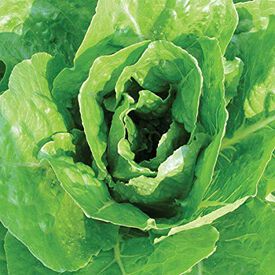
The Giant Caesar Lettuce is an amazing bright green looseleaf romaine type that has a buttery sweet flavor similar to a butterhead. This variety's large leaves are easy to pick without any tearing or bruising. The Giant Caesar is heat resistant and will hold its color and flavor well.
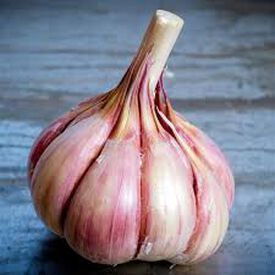
The Persian Star is a hardneck purple stripe type garlic. The outer skin can grow pure white with inner wrappers that are streaked purple. The red-tipped cloves with marbled streaks on whitish or yellow-brown background. The Persian Star is a very pleasant flavor with a mild spicy zing that is a great addition to any dish!
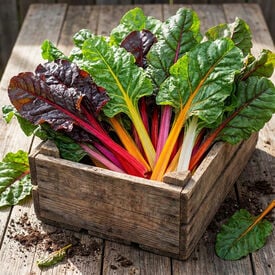
Often considered the benchmark for rainbow chard, this outstanding mix features beautifully savoyed, glossy leaves in shades of green and bronze, paired with vibrant stems in gold, pink, orange, red, white, and soft pastel blends. Each color brings its own subtle flavor, all milder and more refined than standard chard. Developed by New Zealand amateur breeder John Eaton and recognized as an All-America Selections winner, this variety delivers uniform growth, consistent leaf quality, and excellent bolt resistance across every color in the mix. It can be direct seeded or started as transplants to separate individual colors, performs reliably through much of the year, and is best suited to mild conditions, as it is slightly less frost tolerant than other chard types.