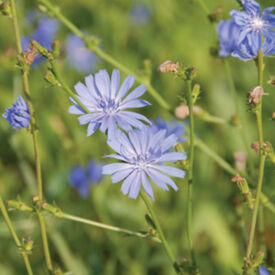
Chicory has a long taproot that penetrates subsoils which makes it drought tolerant and allows it to make minerals more available to livestock. Rich in potassium, sulfur, calcium, zinc, sodium, manganese and iron. When managed properly, Chicory produces leafy growth which is higher in nutritive and mineral content than alfalfa and other cool season grasses. Used mainly in mixes with other pasture or cover crop seeds. Chicory (Cichorium intybus L.) - Warm season, broadleaf - Perennial - Upright and spreading growth habit - Protein levels: 10-32% - Forms arbuscular mycorrhizal associations Uses: - Bees & Beneficial Insects - Chicken Forage - Deer Attractant - Forage
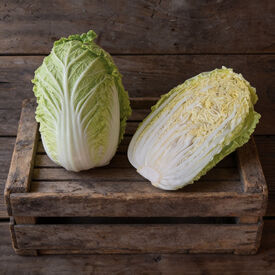
Michihili cabbage is great for those who love stir-fry or pickling cabbage. A tight-head type with well blanched, crisp and tender interior. Michihili produces a cylindrical, leafy head. A high yielding cabbage with excellent flavor. Chinese cabbage nutrients include vitamins A and C.
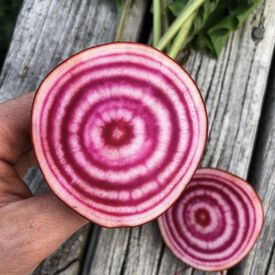
Chioggia beets, also known as Candy Cane or Bull's Eye beets, are a unique and visually striking variety of beets that originated in Italy. Their history dates back to the early 19th century when they were first cultivated in the coastal town of Chioggia, near Venice. These beets are renowned for their vibrant and eye-catching appearance, characterized by concentric rings of alternating red and white colors, reminiscent of a candy cane. This distinct coloration makes them a popular choice among gardeners and chefs for their ornamental and culinary appeal. In terms of taste, Chioggia beets offer a mild and slightly sweet flavor, making them a versatile ingredient in various dishes. They can be enjoyed raw in salads, pickled, roasted, or boiled, and their taste becomes sweeter when cooked. Typically, Chioggia beets are round to slightly flattened in shape, with a diameter of 2 to 3 inches. They are known for their relatively quick maturity, taking around 50 to 60 days to reach full size. Their unique coloration is retained even after cooking, making them a visually stunning addition to any meal. When it comes to growing Chioggia beets, they thrive in well-drained soil with a neutral pH and require full sun for optimal growth. Proper spacing is essential to allow room for their roots to develop, typically requiring 3 to 4 inches between each plant and rows spaced about 12 to 18 inches apart. Chioggia beets are relatively disease-resistant, with a natural ability to withstand some common beet diseases, but it's still essential to monitor them for any signs of issues. With proper care, Chioggia beets can yield a bountiful crop, and their unique appearance and delightful taste make them a favorite among gardeners and culinary enthusiasts alike.
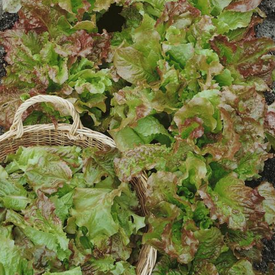
The Santa Fe Lettuce produces a small blanched head that is surrounded by green outer leaves with a tinged bronze-red tip. This variety is a favorite for being extra crunchy!
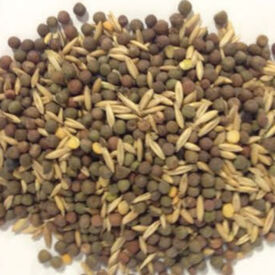
Using the Field Peas and Oats Blend throughout your garden is a great way to fix nitrogen and add organic matter to the soil! This blend contains a great ratio of grass and legume cover crop for fixing nitrogen, winter cover, weed suppression and more. The Field Peas and Oats Blend should be sown from early spring to late summer. Sow no later than 6 weeks before first fall frost in your area. This variety is gold hardy enough to grow long into the fall leaving behind a great mulch for soil protection. (75% peas / 25% oats by weight) Seed Coverage: - 5 lbs covers 2,000-4,000 sqaure feet - 100 lbs covers 1-2 acres Uses: Deer Attractant, Green Manure, Nitrogen Fixation, No Till, Organic Matter (Biomass), Weed Suppression
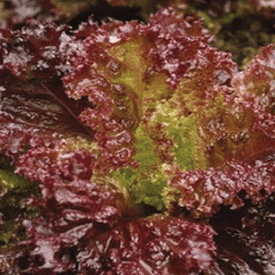
Lolla Rossa lettuce is a beautiful Italian heirloom variety originating from the Lolla region near Bergamo, known for its striking deep-red, frilly leaves and crisp texture. Typically forming compact, loose-leaf rosettes about 6 to 8 inches across, it adds vibrant color and visual appeal to salads and garden beds alike. The leaves are tender yet slightly crunchy, offering a mild, slightly bitter flavor with a subtle nutty finish. Lolla Rossa thrives in cool weather and prefers full sun with well-drained, fertile soil rich in organic matter. It grows best in temperatures between 45–70°F and benefits from consistent moisture, making it ideal for spring and fall planting.
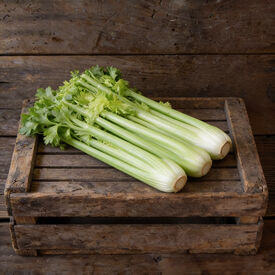
Tall Utah celery, developed in the early 20th century in Utah, is renowned for its tall, sturdy stalks and exceptional flavor. This variety features vibrant green, crisp stalks that can reach heights of 18-36 inches, making it a standout in gardens. The taste is mild and slightly sweet, perfect for fresh eating or cooking in a variety of dishes. Harvesting typically occurs 85-100 days after planting, when the stalks are firm and well-developed; gardeners can choose to cut the entire plant or selectively harvest individual stalks as needed. Tall Utah celery thrives in cool climates and requires consistent moisture, making it a favorite for both home growers and commercial producers.
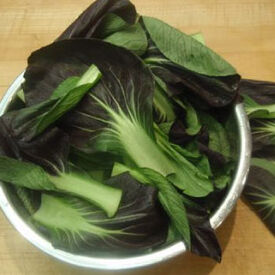
Red Choi is a beautiful Pak Choi cabbage that has an excellent flavor cooked into meals! This variety is green with maroon veins that changes into a deep red color. The Red Choi has a compact growing habit.
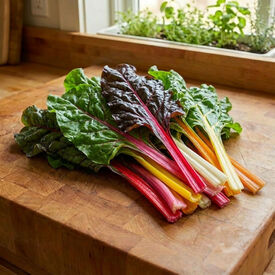
The Rainbow Blend Swiss Chard will brighten up any dish! The beautifully colored and delicious Rainbow Blend is a mixture of different red, orange, pink, yellow and white chard. These stunning leafy greens are a staple to any garden or meal. The glossy dark green leaves have a crisp texture that can't be beat. Organic Seed.
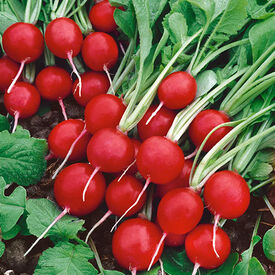
Rudolf Radish produces smooth, cherry-red, perfectly round roots with a crisp bite and classic, bold radish flavor. This vigorous, high-yielding variety is one of the easiest to grow and performs reliably in both spring and fall plantings. Roots size up quickly and uniformly, making them ideal for early harvest as cute mini radishes—or left to mature for full size without sacrificing texture or taste. A dependable choice for consistent shape, color, and crunch.
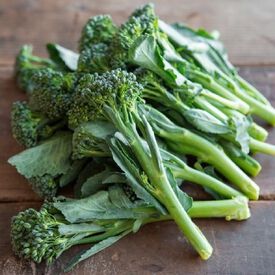
De Cicco broccoli, known for its exceptional taste, is a popular heirloom variety of broccoli (Brassica oleracea) that hails from Italy. This Italian heirloom has been cultivated for generations, making it a favorite among gardeners and chefs alike. De Cicco broccoli is classified as a compact, semi-dwarf type of broccoli, and it is highly prized for its versatility in the kitchen and its relatively quick maturity. De Cicco broccoli boasts a mild, slightly sweet flavor with a hint of nuttiness. Its tender, dark green florets are surrounded by a profusion of lush leaves. The compact plant typically reaches a height of 18-24 inches, making it suitable for smaller gardens or container growing. De Cicco is known for its relatively short days to maturity, typically taking around 48-65 days from seed sowing to harvest. This broccoli variety is characterized by its vibrant, dark green color, which is indicative of its high nutrient content. De Cicco broccoli exhibits strong disease resistance, particularly against common broccoli ailments like downy mildew and clubroot, which can be a relief for growers. When properly cared for, De Cicco broccoli can yield a bountiful harvest of small to medium-sized heads, often producing side shoots after the main head is harvested. For optimal growth, it's recommended to sow De Cicco broccoli seeds in well-drained soil with full sun exposure. Plant the seeds 1/4 to 1/2 inch deep, spacing them about 18-24 inches apart to provide enough room for the plants to mature and thrive. Additionally, consistent watering and adequate fertilization can help ensure a successful De Cicco broccoli crop.
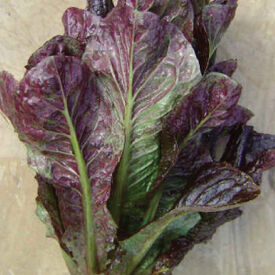
Red Romaine Lettuce has long, crinkled leaves with great crunch! This variety starts green and fades to redish-purple. The Red Romaine's leaves are12" tall and the plant is about 10-12" wide. This lettuce is often used in Caesar salads not only for its crunch, but also for its color. Use Red Romaine lettuce for an incredible edible purple border in your flower beds.