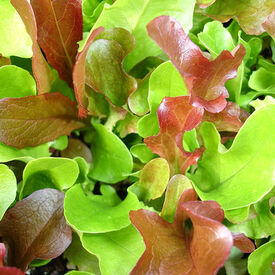
The Garden Mesclun Blend is a mixture of light green to emerald, and bronze to deep red lettuces as well as endive and radicchio for a crunchy, zesty flavor that is a perfect addition to any salad!
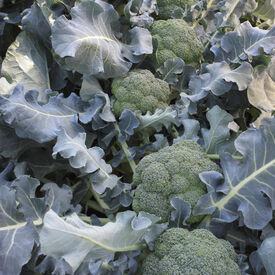
Godzilla is a new broccoli that produces very heavy and small-beaded heads. Leaf attachments are small and lower on the stem, allowing for quick trimming and easier harvest. Heads are fine-beaded and have very heavy florets.
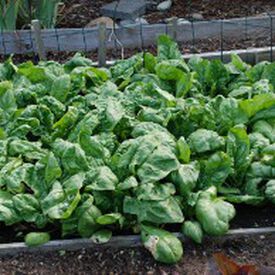
The Olympia is a top-notch smooth leaf hybrid spinach that has a great flavor. This spinach Hybrid has thick and dark green leaves that grow upright. The Olympia is highly recommended for spring, summer, fall and over wintering crops because it resists bolting under high temperatures and long day conditions. Treated seed.
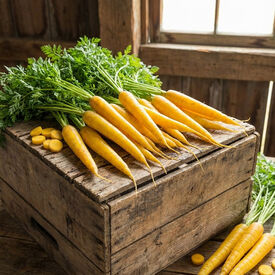
Solar Yellow carrots are a delightful and unique variety that brings a vibrant burst of color to your garden and plate. Distinguished by their bright yellow hue, these carrots stand out among the more traditional orange varieties, offering a sunny and cheerful appearance. Their color is due to the presence of xanthophylls, which are natural pigments that also contribute to their mild, slightly sweet flavor. Solar Yellow carrots are known for their crisp texture and tender bite, making them a versatile addition to both raw and cooked dishes. This golden carrot has 6-7 inches tapered roots.
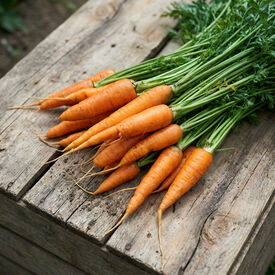
Little Finger carrot seeds grow into a petite, gourmet variety that originated in France and has been cherished since the mid-20th century for its tender, sweet flavor and snackable size. This Nantes-type carrot matures quickly in just 55–65 days, producing smooth, cylindrical roots about 3–4 inches long, making it perfect for small gardens and container growing. Its bright orange flesh is crisp, juicy, and sugary, often eaten fresh right from the garden, but also excellent for steaming, roasting, or pickling. Known as a child-friendly carrot because of its size and sweetness, Little Finger is ideal for fresh snacking, lunchboxes, and gourmet dishes, while also storing well for extended use.
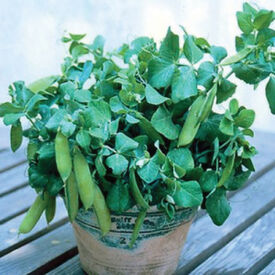
Just like its name, the Tom Thumb Pea is a tiny bush pea plant perfect for containers! If you are hurting for space but want to grow some delicious peas, try the Tom Thumb! This pea variety produces pea pods on a tiny pea plant.
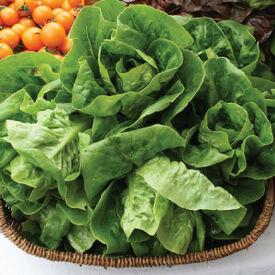
Little Gem lettuce is a small, compact variety that belongs to the Romaine family. Known for its tender, crisp leaves and sweet, mild flavor, it has become a favorite in both casual and fine dining. The heads are typically about the size of a fist, with tightly packed, bright green leaves that are both crunchy and delicate. Its flavor is a perfect balance between the slightly bitter taste of Romaine and the mild sweetness of Butterhead lettuce. Little Gem is often used in salads, sandwiches, or as a base for grilling, where its natural sweetness intensifies. Its small size also makes it an ideal choice for individual servings or garnishes. Rich in vitamins A, C, and K, it’s not only flavorful but also nutritious. Little Gem's heads are about 4 inches across and are prime eating from 4-6 inches tall. The plants can be spaced 6 1/2 by 6 1/2 inches for maximum yields. Growing Little Gem lettuce is relatively easy and well-suited to home gardeners, thriving in cool, temperate climates. This compact variety of lettuce prefers full sun but can tolerate partial shade, especially in hotter weather. It grows best in well-drained, fertile soil with a slightly acidic to neutral pH. To plant, sow seeds directly into the soil in early spring or late summer, spacing them about 6-8 inches apart to allow for proper air circulation and growth. Little Gem lettuce thrives with regular watering, but it’s important to avoid waterlogging, as this can lead to root rot. As it matures, the small heads form tight, crisp rosettes. Harvesting can begin in around 30-45 days, typically when the heads are firm but still small. For continuous harvest, sow new seeds every couple of weeks. Little Gem lettuce is also ideal for container gardening due to its compact size, making it a great choice for small spaces or urban gardens.
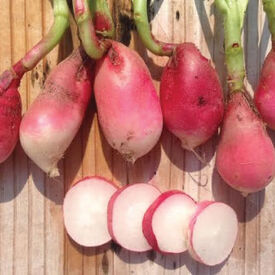
The French Breakfast Radish has a delicate flavor and is an excellent variety for home gardens. This radish variety is an attractive uniquely shaped radish with elongated roots and red tops with white tips. The French Breakfast has an excellent flavor and texture, that is perfect for dips or as a garnish.
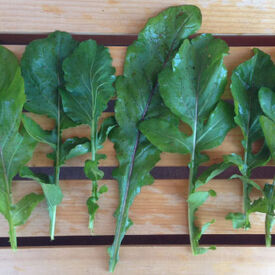
Roquette Arugula seeds produce a fast-growing, cool-season leafy green prized for its peppery, nutty flavor and tender, deeply lobed leaves. Also known as salad rocket, this Mediterranean native has been cultivated since ancient Roman times for both its culinary and medicinal qualities. Roquette arugula thrives in full sun to partial shade and prefers well-drained, fertile soil, reaching harvest size in as little as 30–40 days. Ideal for salads, sandwiches, or as a garnish, its bold flavor intensifies as the plant matures. Regular harvesting encourages new growth, making it a favorite for continuous garden production throughout spring and fall.
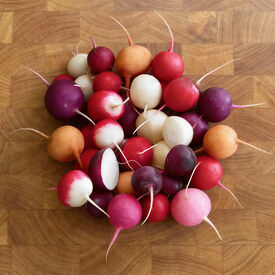
The Fiesta Blend is a five color radish blend of red, pink, yellow, white and purple! This colorful blend will be sure to a pop of fun color to any garden. Serving up the Fiesta Blend in salads or dishes is a great addition to any party or gathering!
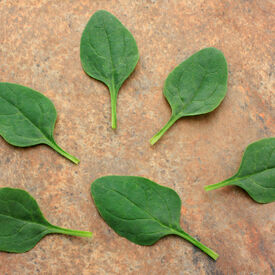
Riverside is a smooth spinach with dark green leaves. Grown mostly for its spade-shaped baby leaf harvesting. Riverside produces at normal rates with an upright plant habit. Excellent for growers who want premium quality product. Riverside is also very resistant to downy mildew.
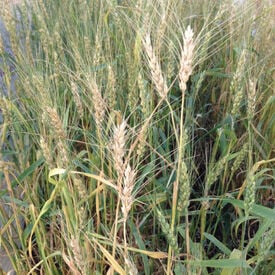
The Winter Wheat is a cool weather grain that is quick to germinate, cold tolerant and is adaptable to a wide range of soils! This wheat can be sown in late summer for erosion control and tilled under in early spring to add organic matter. The Winter Wheat is winter hardy nearly anywhere, and won't go to seed until its second year of growth. Use: Erosion Control, Green Manure, Nitrogen Scavenger, No Till, Weed Suppression