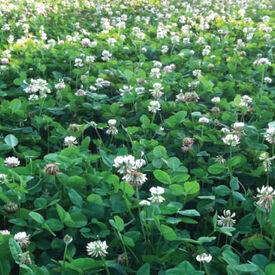
The Ladino Clover is the most popular white clover in the USA as it is two to four times as large as the common white clover! This clover has a high nutritive value and is palatability, making it a popular choice in pasture mixtures. It is not deep rooted, and will not tolerate much drought. Ryegrass and orchardgrass work well with ladino clover in mixtures. Broadcast at 25 lbs. per acre. Seed comes inoculated. Uses: Bees & Beneficial Insects, Chicken Forage, Compaction Control, Deer Attractant, Erosion Control, Forage, Green Manure, Nitrogen Fixation, No Till, Weed Suppression
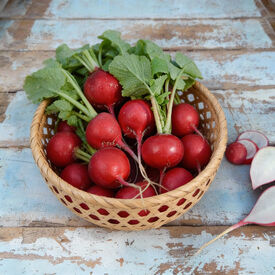
The Early Scarlet Globe is an early forcing radish that is perfect for home and market growers! This variety is a great bunching radish that produces 1" globes with bright red skin and a white flesh. The Early Scarlet Globe is great for both spring and fall planting!
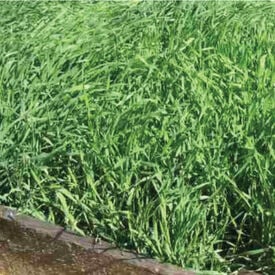
The Elbon Rye is a grain that is the best choice for fast, cool-season germination that prevents erosion and builds organic matter in the soil! Plant this variety early to late fall; in mild climates fall through early spring. This grain captures soil nutrients in the fall to release in spring when worked into the soil. The Elbon Rye can reach up to 5 feet! Cereal Rye (Secale cereale L.): Cool season, grass, Annual or perennial, Upright plant growth, Crude protein: straw 4%, grain 14%, C:N ratio: 40-48, Self pollinator (wind) Uses: Erosion Control, Green Manure, Nitrogen Scavenger, No Till, Organic Matter (Biomass), Weed suppression
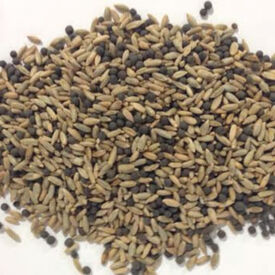
Great way to fix nitrogen and add organic matter to the soil! A great mix of grass and legume cover crops. Hairy Vetch works well for nitrogen fixation while Rye adds organic matter and protects the less hardy vetch from winter damage. If planted in fall it comes back early spring with heavy growth. Cut right after it flowers and spring and till into soil. (75% Winter Rye / 25% Hairy Vetch) Seed Coverage: - 5 lbs covers 2,000-4,000 sqaure feet - 100 lbs covers 1-2 acres Uses: Deer Attractant, Green Manure, Nitrogen Fixation, No Till, Organic Matter (Biomass), Weed Suppression
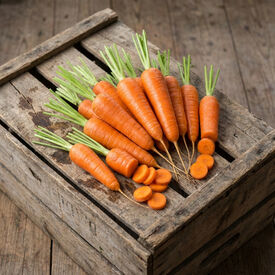
Red Cored Chantenay carrots are a vibrant variety known for their distinct color and shape. They feature a deep orange skin that transitions to a striking red core, creating a visually appealing contrast. The carrots have a stout, conical shape, tapering at the end, which makes them easy to harvest and handle. These carrots are celebrated for their sweet, rich flavor and crisp texture, making them ideal for both raw snacking and cooking. They’re versatile in the kitchen, lending themselves well to roasting, steaming, or incorporating into salads. Red Cored Chantenay carrots are also known for their high nutrient content, providing a good source of vitamins and minerals. Their unique coloration is not only attractive but also indicates a high level of antioxidants, contributing to their health benefits.
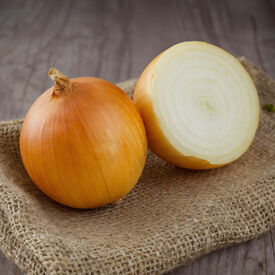
Yellow Sweet Spanish onion seeds grow into a classic heirloom variety that dates back to the early 20th century, prized for its large, globe-shaped bulbs and mild, sweet flavor. These onions typically reach 4–6 inches in diameter and feature golden-yellow skin with crisp, white flesh inside. They thrive in full sun and loose, well-drained soil rich in organic matter, requiring consistent moisture and a long growing season of about 110 days. Seeds can be started indoors 8–10 weeks before the last frost or sown directly once the soil warms. The resulting onions are excellent for fresh eating, caramelizing, or adding a subtle sweetness to soups, salads, and sandwiches.
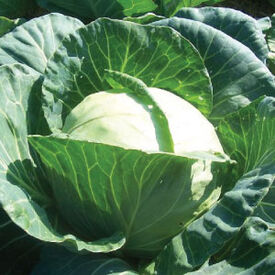
An early maturing heirloom cabbage. Early Jersey Wakefield is an early variety of cabbage with pointed heads that resist splitting! A great home garden cabbage with great flavor!
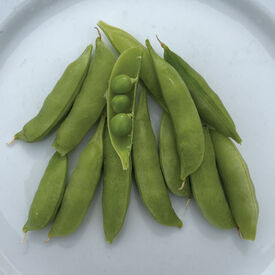
Sugar Sprint Pea will sprint into the production of delicious peas! This fast maturing, heavy producing pea plant is one of the earliest maturing peas available. This pea variety produces 3" stringless snap peas over a long period. Sugar Sprint is heat tolerant and resistant to powdery mildew.
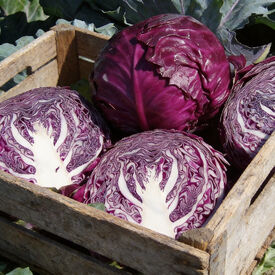
Red Jewel is early maturing and produces good size cabbages. This variety is a high-yielding red cabbage hybrid with uniform maturity. Red Jewel offers a deep red head with a short core and is ideal for both fresh and shredder markets.
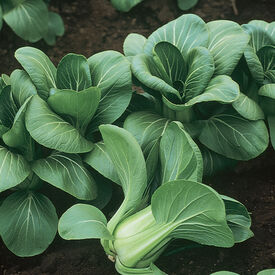
Mei Qing Choi cabbage is a Shanghai pak choi type with good heat and cold tolerance and bolting resistance. In the U.S., this variety is harvested as baby pak choi. It is smaller than Joi Choi, weighing about a quarter of a pound. This pak choi has an excellent flavor and is extra tender.
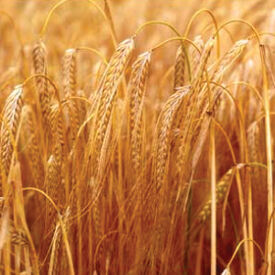
The Thoroughbred Barley is a widely adapted variety of barley that is high yielding, with a great straw strength and a high test weight. This grain is a good standing six-rowed barley. This variety is resistant to powdery mildew and barley yellow dwarf virus. Uses: Bees & Beneficial Insects, Erosion Control, Green Manure, Nitrogen Scavenger, No Till, Organic Matter (Biomass), Weed Suppression
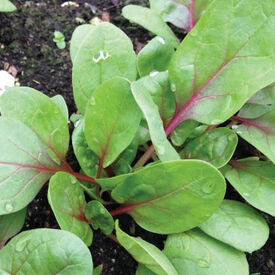
The red veined Red Tabby Spinach has beautiful tender smooth leaves. This variety is an excellent baby leaf spinach that does well in spring, fall and winter. Its uniform, smooth leaves grow straight and upright. Red Tabby is also resistant to downy mildew races 1-13.