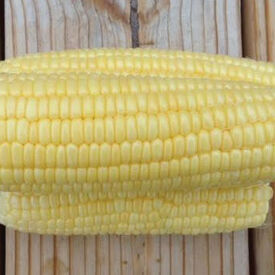
The Bodacious corn is a beautiful, uniform, well-filled ear of corn. This high quality yellow sweet corn that has large, mouth-watering kernels. The Bodacious has 18 rows and 8" ears and its kernels are delicious, sugary and very tender. Bodacious is a great corn for fresh eating, freezing and canning. This variety is a popular yellow market variety that holds well once picked and it tolerates cold weather conditions better than most.
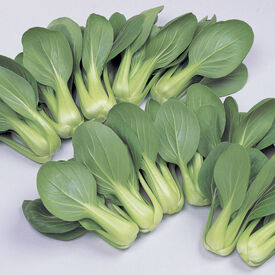
Li Ren Choi cabbage is good looking mini pak choi with light green stems and slightly darker green leaves. This variety develops a pak choi shape at a very early stage. It can even be planted in trays and harvested at transplanting time. It is one of the smaller mini pak choies on the market. Excellent production for pak choi hearts.
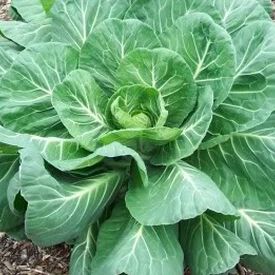
Georgia Southern is a large collard plant with a cabbage-like taste! This variety produces bluish-green leaves that can grow up to 36" tall and do not bunch or head like cabbage leaves. These large open heads are great for cooking or freezing. The Georgia Southern collard is vitamin rich, sweet, not bitter, heat tolerant, and frost hardy.
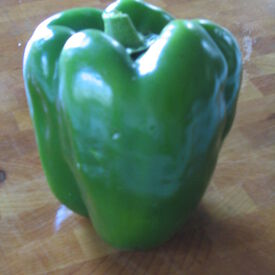
The Yolo Wonder Pepper is a great new and improved tasty pepper for home gardens. This variety is a top quality very well shaped pepper with thicker walls and a very blocky shape with 4 lobes. The Yolo Wonder Pepper will give great high yields!
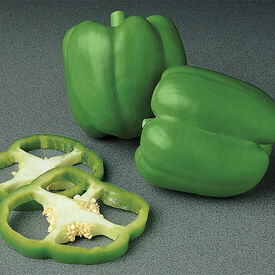
A consistent producer of huge bell peppers. Blocky fruits grow to 6" with smooth, thick walls. When mature they slowly turn red with a tangy flavor. These peppers keep their consistency and high yields even in cooler temperatures. Plants grow up to 24" and have excellent foliage cover.
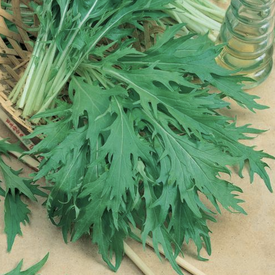
Organic - Mizuna Green Mustard is a tasty Asian spinach variety that is amazing raw in different salads or cooked. This variety's narrow green leaves are very tasty and have a non-pungent flavor. Mizuna Green Mustard is fast growing and produces high yields. This green is popularly used in many salad mixes! Conventional seed available.
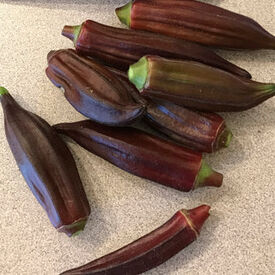
This is an excellent okra plant for tight spaces. French Quarter Red does well in containers and smaller gardens. Produces attractive, compact plants that only reach 24-30 inches tall. Yields 3-5 pods at a time when harvested regularly. Harvest pods at 3-4" in size and use for grilling, stir-fry or jambalaya.
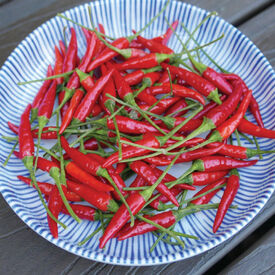
Thai Red Chili pepper seeds produce a vibrant and fiery variety of pepper commonly used in Southeast Asian cuisine. Known for its intense heat and slightly fruity flavor, the Thai Red Chili grows small, slender, and bright red when fully ripe. These peppers are often harvested while green and then allowed to ripen to their striking red color, which deepens the heat and flavor profile. Typically measuring 2 to 3 inches in length, Thai Red Chilies are used fresh or dried in a variety of dishes, from curries and stir-fries to sauces and soups. Their bold, spicy kick makes them a staple ingredient for adding heat to both traditional and modern recipes.
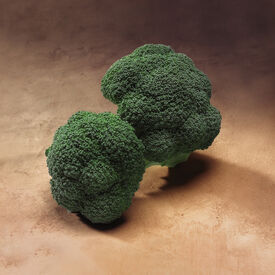
Gypsy is a hybrid broccoli that produces well in warmer growing zones. An excellent variety for greenhouse production. Gypsy has a strong root system and intermediate downy mildew resistance. Gypsy yields excellent, smooth, dome-shaped heads with medium-small beads.
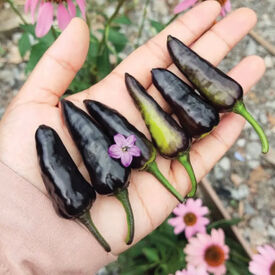
Black Hungarian peppers are a unique and flavorful variety of chili peppers, known for their deep, dark purple to black color when fully ripe. These peppers are moderately hot, typically ranging between 5,000 to 10,000 Scoville heat units, and have a smoky, slightly sweet flavor that adds depth to a wide range of dishes. Originally from Hungary, they are often used in traditional Hungarian recipes, including goulash, stews, and pickles. The plant is compact and hardy, producing numerous peppers that turn from green to black and eventually to a deep red when fully matured. Black Hungarian peppers are versatile in both fresh and dried forms, with the dried pods often ground into powder to create a flavorful paprika. Easy to grow in warm, sunny climates, this variety is an excellent choice for gardeners looking to add color and complexity to their pepper collection while benefiting from its unique taste and moderate heat.
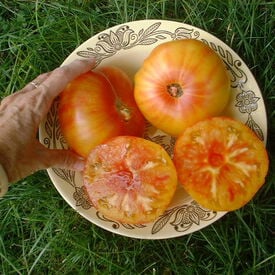
The Pineapple Tomato is a large, rich yellow-gold beefsteak variety that has a wonderfu very sweet, almost fruity, flavor. This tomato variety contains very few seeds and more solids, giving you more for your money. The Pineapple tomato is a high yielding tomato plant. The Pineapple gets its name for have a flavor that is sweet and fruity with a tangy, meaty after-bite.
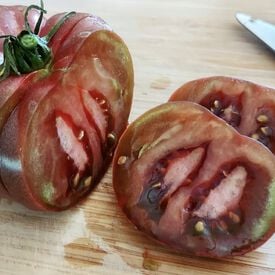
Black Brandywine tomatoes are a unique and highly regarded heirloom variety known for their exceptional flavor and distinctive characteristics. With a rich history dating back to the 19th century, these tomatoes have earned a special place in the hearts of gardeners and tomato enthusiasts alike. The story of Black Brandywine begins with the original Brandywine tomato, which was developed in the late 1800s in the Brandywine Valley of Pennsylvania. Over time, a natural mutation led to the development of the black variant, which retained the outstanding flavor of the original while introducing a striking, dark coloration. The fruit of the Black Brandywine tomato is large and typically reaches sizes of 8 to 16 ounces (227 to 454 grams) or even larger under optimal conditions. Its shape is somewhat irregular, often with a beefsteak-like appearance, characterized by deep ridges and an uneven, slightly flattened globe shape. The skin of Black Brandywine tomatoes is a dark purplish-black or maroon color, adding to their visual appeal. The plants of Black Brandywine tomatoes are indeterminate, which means they continue to grow and produce fruit throughout the growing season. They can reach heights of 5 to 7 feet (1.5 to 2.1 meters) or more, so proper support is essential. These tomatoes thrive in warm and sunny climates, requiring full sun and well-drained soil. Adequate moisture and regular pruning are crucial to manage their vigorous growth and ensure good air circulation. Black Brandywine tomatoes are a favorite among gardeners who appreciate their rich, complex flavor, making them a must-grow variety for anyone looking to savor the taste of history in their garden.
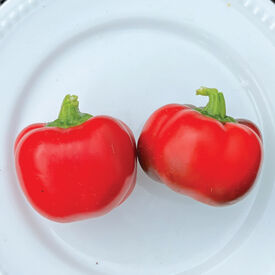
The Pimento Pepper is a great snacking pepper that goes excellent with cheese, specifically Pimento cheese! The Pimento, aka Sheepnose, is a beautiful sweet pepper that ripens from green to red. This variety is a round, oblate, and gorgeously ribbed pepper. The Pimento is great for long time storage and has an excellent crispy flesh with a delicious zesty flavor. Originated in Ohio, the Pimento is a vigorous producer in northern climates.
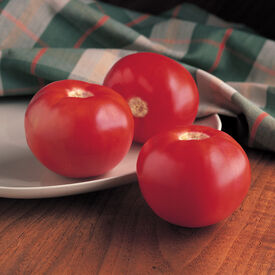
This high-yielding beefsteak produces globe shaped red fruit. This vigorous plant has dense foliage that provides excellent protection to the fruit. Suitable for large patio containers. Adaptable to patio containers.
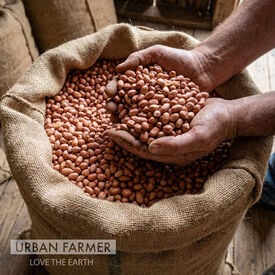
The Spanish Peanut is a very popular heirloom variety that has high yields! This peanut variety produces two to three small kernels per pod. Spanish is a rapid growing, heavy bearing and compact plant with an upright growth habit.
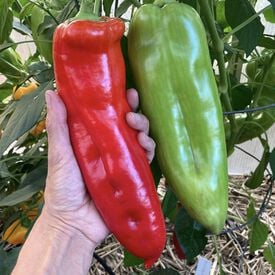
The Aconcagua pepper is a distinctive heirloom variety with origins in South America, named after the towering Aconcagua mountain in Argentina. This pepper is celebrated for its impressive size and rich, unique qualities. It typically matures to a deep red color, though it can also be found in shades of orange and green when unripe. Known for its sweet and mildly spicy flavor, the Aconcagua pepper is versatile in culinary applications, often used fresh in salads, roasted, or added to various dishes for a touch of sweetness and heat. The plant itself is robust, reaching up to 3 feet in height, with a bushy, productive growth habit that yields an abundance of large, blocky peppers. The peppers are generally ready for harvest in mid to late summer, after they have fully ripened and developed their characteristic color. With its substantial size, vibrant color, and flavorful profile, the Aconcagua pepper remains a favored choice for both home gardeners and chefs seeking to add a touch of South American flair to their cooking.
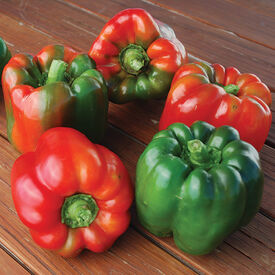
Ozark Giant peppers are a robust heirloom variety known for their impressive size and flavorful profile. Originating from the Ozark region of the United States, this variety has been cherished by gardeners for its reliable performance and substantial fruit. The peppers are large and blocky, typically maturing to a deep red color with thick, juicy walls that provide a satisfying crunch. Known for their sweet, mild flavor with a hint of smokiness, Ozark Giant peppers are ideal for fresh eating, grilling, and stuffing. They generally reach maturity in about 80 to 90 days, and the plants exhibit a vigorous, indeterminate growth habit, producing an abundant harvest throughout the growing season. The plants benefit from staking or caging to support the heavy fruit and maintain plant health. With their impressive size, rich flavor, and productive nature, Ozark Giant peppers are a favorite among gardeners and culinary enthusiasts looking to add both beauty and taste to their gardens.
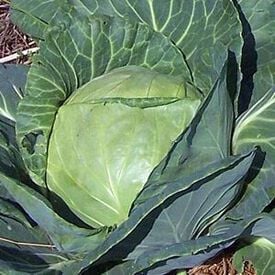
Late Flat Dutch cabbage seeds produce one of the oldest and most reliable heirloom cabbage varieties, first introduced to American gardens in the mid-1800s and prized for its large, flat, broad heads. This late-season type matures slowly, typically in 100–110 days, forming dense, firm heads that can weigh 10–15 pounds, making it excellent for gardeners seeking high yields and long storage. Its flavor is mild, sweet, and crisp, improving after light frost exposure, which enhances its natural sugars. Historically valued for sauerkraut production, it remains a top choice for fermentation, coleslaw, boiling, and traditional cooking, while its long shelf life makes it a staple for winter kitchens and homestead food preservation.