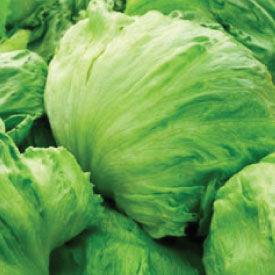
Iceberg Lettuce is the tried and true lettuce that is an easy to grow, slow bolting crisphead. This variety has proven to be one of the most popular crispheads for years! Iceberg is a great lettuce that performs exceptionally well under warm weather conditions. This compact lettuce plant features better leaf texture and quality than other varieties. This variety resists rib discoloration and tip burn.
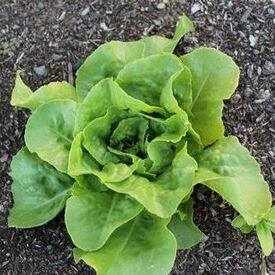
The Optima Lettuce is a large-framed Boston type that produces dark green leaves that have excellent heat tolerance and will resist bolting. This variety is known for being resistant to tip burn as well as races 1-4 of mildew. This great lettuce also has a juicy, crisp flavor that is amazing cut up in salads or on sandwiches!
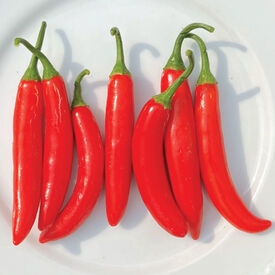
Serrano is a hot, sweet pepper with a great taste! This pepper variety is a pungent pepper that can grow up to 4" long! These skinny peppers have medium thin walls that mature to a bright red color on thirty inch tall plants.
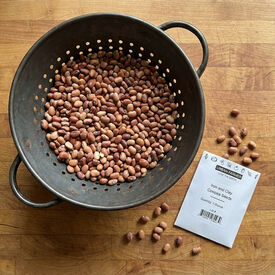
Iron and Clay cowpeas makes a great cover crop for smothering weeds and adding Nitrogen to soil. This variety of cowpeas are grown just like soybeans. Iron and Clay is a fast growing plant that can reach 3'. The best time to plant is during spring for best results as the frost will kill the cowpeas. Iron and Clay has long taproots that help withstand drought conditions and can produce as much as 300 lb./acre nitrogen. This variety has a high organic matter production. Broadcast up to 120 lb./acre, 1/2 to 1" deep. Try with cowpea inoculant for maximum Nitrogen fixation.
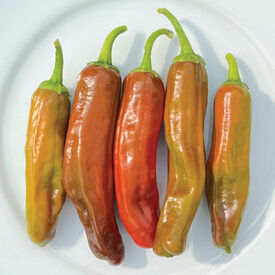
The Pepperoncini Italian is a popular Italian pepper that is a favorite for pickling, cooking or eating fresh. This small bushy plant produces 3-5" wrinkly fruits that have thin walls and a sweet, mild heat. This variety is a delightful all-purpose pepper that can be enjoyed in numerous ways! Pick this pepper at the yellow-green stage for pickling or allow them to ripen greenish-red for eating raw or cooking! This is one of the lowest heat "hot" peppers that we offer, as it has a very slight heat with a more sweet flavor. When the Pepperoncini Italian is pickled, they become addicting!
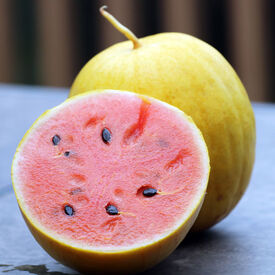
The thin light green rind turns a golden yellow at maturity. Rich red flesh is sweet and crisp. Plants are compact and can be grown in small gardens and large containers. The unique mixture of gold rinds and red flesh makes this a very attractive seven to 8 inch melon. Certified Organic
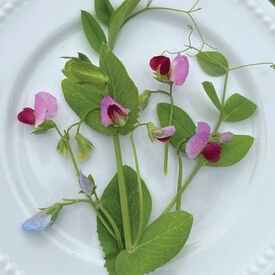
The Dwarf Grey Sugar Pea is one of our customer favorite peas! Produces an abundance of attractive purple and blue flowers. These flowers are edible, have a light pea flavor and look great on many dishes. The mature peas are very flavorful and is ideal for steaming, stir-frying or eating fresh out of the garden. Dwarf Grey Sugar Pea is suitable for northern and southern regions, as it is tolerant to heat and cold.
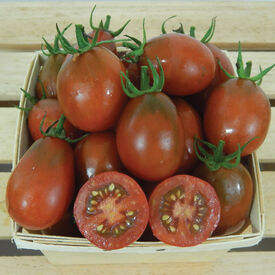
The Black Plum Tomato is a heavy producer and a favorite plum-shaped tomato variety for making different salsa or sauces. This variety produces 2" long by 1" wide tomatoes that weigh around 1-2 ounces. The Black Plum has a black-purple skin with green-shoulders and a very delicious flavor.
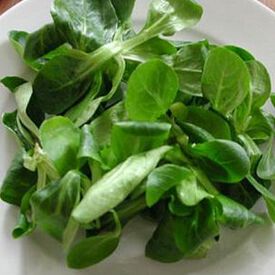
Vit Mâche, also known as corn salad, lamb’s lettuce, or mâche, is a cool-season leafy green with a long history in Europe, where it was foraged in fields and vineyards before becoming a cultivated crop in the 17th century. This compact plant forms small rosettes of tender, spoon-shaped leaves that are deep green and naturally high in vitamins A and C. Its flavor is mild, slightly nutty, and gently sweet, making it a favorite for winter and early-spring salads. Mâche thrives in cool weather, germinating best in fall or early spring, and prefers rich, well-drained soil with consistent moisture. It’s cold-tolerant enough to survive light frosts, allowing gardeners to harvest the delicate rosettes over a long season with minimal care.
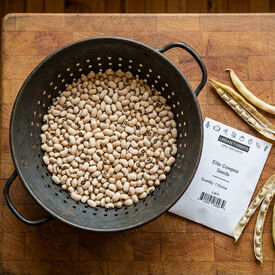
The Elite cowpea is a bush type cream southern pea that produces heavy yields of 7" pods with cowpeas that are delicious and easy to shell. This cowpea is one of the most productive of all the cream peas. If you are using for Nitrogen fixation we highly recommend using a cowpea inoculant. Try with cowpea inoculant for maximum Nitrogen fixation.
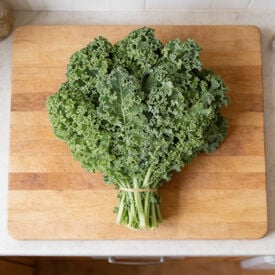
Darkibor is darker-green in comparison to Winterbor and Starbor. Matures a bit slower than the others but grows on sturdy stalks, with tight curl and close internodes.
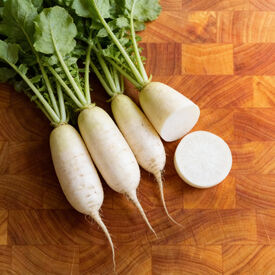
Minowase radish seeds produce a classic Japanese daikon variety with origins in East Asia, where long-rooted radishes have been cultivated for centuries for their productivity and versatility. Known for its smooth white roots that often reach 12–18 inches, Minowase features crisp, juicy flesh with a mild, slightly sweet, lightly peppery flavor that is far gentler than smaller spring radishes. Its clean taste and firm texture make it ideal for microgreens, sprouts, salads, pickling, stir-fries, soups, fermenting, and even grating fresh as a condiment. This variety grows best in cool weather and loose, deeply prepared soil that allows for long, straight roots; sow seeds directly in late summer or early fall, provide consistent moisture, thin seedlings to prevent crowding, and harvest before hard frosts for the best quality.
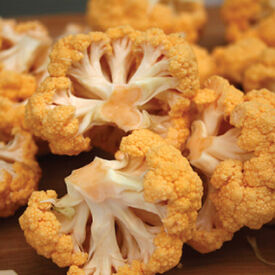
The Cheddar cauliflower lives up to its name with its awesome cheddar color and great flavor! This cauliflower is a novelty, orange curd that is high in beta-carotene. A mid-size plant, domed head, and is very productive in the fall. Fun to watch grow and eat!
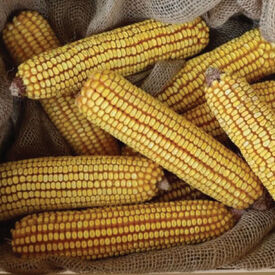
Krug Dent corn is an old commercial variety. First bred by Illinois farmer George Krug in 1921. George W. Krug started experimenting with corn in 1906 to develop a corn that would be more productive for his 100 acre estate. George started his seed line by mixing two strains called Improved World's Fair and Iowa Gold Mine with a couple of bushels of good-looking seed which he purchased at a farm sale. The qualities he selected for included weight, luster, smoothness, freedom of excessive starch and high oil content. He entered his corn in the county farm bureau yield test in 1919, and topped the field in 1920 and 1921 among 118 growers who entered these tests. Hereafter Krug Dent became famous and was sought after everywhere. George Krug however was a very modest man and did not collect a royalty from any of those using his name in producing "Krug Corn." all he wanted was a better corn for his farm.
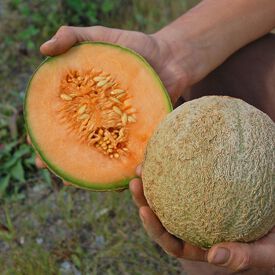
The Delicious 51 Melon produces heavy yields of early ripening, delicious fruits! This melon is a reliable producer of 2-3 lbs. fruits with heavy yields. This variety is known for its sugary flavor and aromatic smell. The juicy, perfectly sweet flesh is dark orange with creamy texture and a strong sugary flavor. Delicious 51 has thinner skin than other hybrids, but holds well for market and in storage. This variety has excellent resistance to powdery mildew and is well-adapted for northern growers. Harvest at full slip for best taste! Bred by Dr. Munger at Cornell University.
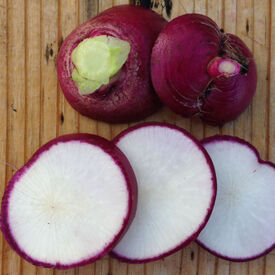
The Purple Plum is an amazing purple skinned radish with a crisp, mild and sweet white flesh! This unique radish is different from the "typical" radish coloring. This small round shaped radish is early to harvest, which makes it great for home and market growers. Purple Plum is a nice variety to blend with other colors in mixes!
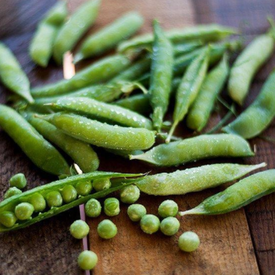
The Knight Pea is the highest yielding, early maturing pea that we have! This pea variety's vines are short and therefore require no staking. Its huge pods can grow to be 4 inches with up to 10 peas in each pod! Knight is a favorite for its tender and sweet flavor, making it the perfect side dish.
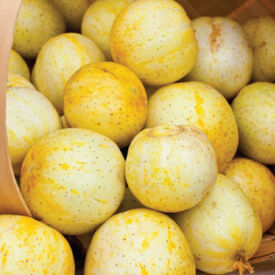
The Lemon cucumber is very tender, clean, crisp and sweet taste that is never bitter! This variety is a great cucumber for salads and pickling. Don't be fooled by this heirloom's unusual shape, these bright yellow balls are excellent for salads and pickling! This plant produces regular-sized vines that yield heavily and for a long time.