Learn More
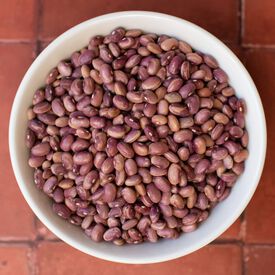
Flor de Junio bean seeds produce vibrant heirloom pole beans traditionally grown in Mexico, known for their striking maroon and white speckled pods and seeds. These vigorous climbing plants can reach a height of 6 to 8 feet, making them ideal for trellises or poles. They mature in approximately 90 to 100 days and are prized for their dual-purpose use as both fresh snap beans when young and dry beans when fully mature. Flor de Junio beans are celebrated for their rich, earthy flavor and resilience, thriving in warm climates with well-drained soil.
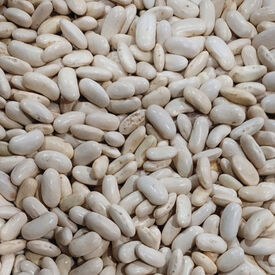
Whiskey Mountain bean seeds produce a rare and distinctive heirloom pole bean known for its vigorous growth, striking appearance, and excellent flavor. The plants climb tall and robustly, requiring support, and yield long, tender pods that can be enjoyed as fresh snap beans or allowed to mature into colorful dry beans. The dry beans often feature unique markings and a rich, earthy taste that makes them ideal for soups and stews. Named after the scenic Whiskey Mountain region, this variety is valued for both its resilience in diverse growing conditions and its ornamental appeal in the garden. With its combination of beauty, hardiness, and culinary versatility, Whiskey Mountain is a treasured choice for gardeners seeking something special.
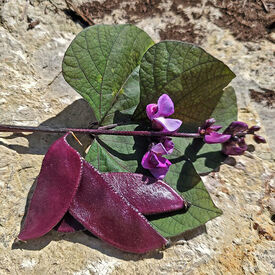
Ruby Moon Hyacinth Bean, also known as Lablab purpureus or simply Hyacinth Bean, is a unique and versatile legume known for its vibrant appearance and culinary potential. This heirloom variety is named for its striking ruby-red pods and dark green foliage, making it an attractive addition to both ornamental and edible gardens. Ruby Moon Hyacinth Beans are typically grown as annuals, but in tropical regions, they can be perennial. In terms of taste, the young pods and seeds of Ruby Moon Hyacinth Bean are edible and have a mild, nutty flavor similar to green beans. They can be consumed both raw and cooked. However, it's important to note that mature seeds contain toxic compounds and should not be eaten without proper processing. Ruby Moon Hyacinth Beans have a rich history, with their cultivation dating back centuries, primarily in Asia and Africa. They are valued not only for their culinary uses but also for their ability to fix nitrogen in the soil, enhancing soil fertility. This plant is categorized as a warm-season annual and typically matures in about 60-90 days, depending on growing conditions. The size of the Ruby Moon Hyacinth Bean plant can vary, but it generally reaches a height of 6-10 feet, making it suitable for trellises or fences. When it comes to yield, you can expect approximately 10-15 pounds of pods per plant or around 800-1,200 pounds per acre under ideal conditions. These beans thrive in full sun and well-drained soil, and they require a warm climate to grow successfully. Adequate moisture and support for climbing are essential for a bountiful harvest. With proper care, Ruby Moon Hyacinth Beans can be a delightful addition to your garden, offering both visual appeal and a tasty, nutritious addition to your plate.
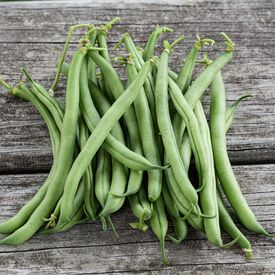
Cinnabar Mountain bean seeds produce striking, ornamental pole beans known for their vivid scarlet flowers and long, slender pods. This variety is not only visually appealing but also productive, climbing vigorously and yielding beans that can be eaten young as snap beans or left to mature for dry beans. Named after the cinnabar-red hues of its blooms, it attracts pollinators like hummingbirds and bees, making it a beautiful and beneficial addition to gardens. The plants thrive in warm weather with full sun and well-drained soil, and they require sturdy trellising due to their vigorous vining habit. Cinnabar Mountain beans combine aesthetic charm with culinary value, making them a favorite for both ornamental and edible landscapes.
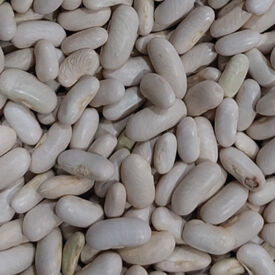
Quicksilver Mountain bean seeds grow into a vigorous pole bean variety prized for its elegant, silver-speckled dry beans and reliable performance in the garden. The tall, climbing vines produce long, slender green pods that can be harvested young as tender snap beans or left to mature into striking dry beans with a smooth, pale base marked by silvery patterns. Known for their creamy texture and rich, nutty flavor when cooked, Quicksilver Mountain beans are ideal for hearty dishes like soups, stews, and casseroles. This variety thrives in full sun with support from a trellis or pole structure and is favored by gardeners for both its visual appeal and culinary quality.
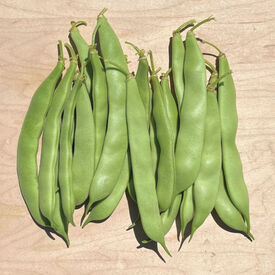
The Taylor Dwarf Horticulture Bean, also known as the Taylor Horticulture Bean or simply Taylor Dwarf Bean, is a popular heirloom bean variety prized for its delicious flavor and historical significance. This bean variety has a rich history dating back to the early 19th century in the United States. It is a bush-type bean, which means it grows in a compact, bushy form rather than climbing like pole beans. Taylor Dwarf Horticulture Beans are highly regarded for their superb taste, which is characterized by a creamy texture and a slightly nutty, earthy flavor. The beans are typically harvested when they are young and tender, making them ideal for fresh consumption or canning. The pods of the Taylor Dwarf Horticulture Bean are medium-sized and typically measure around 4-5 inches in length. The plants themselves are relatively small and bushy, reaching a height of about 18-24 inches, which makes them suitable for smaller gardens or container gardening. This variety has a relatively short maturity period, typically taking around 55-60 days from planting to harvest. The beans themselves are a pale cream or off-white color. Taylor Dwarf Horticulture Beans are known for their good disease resistance, which helps ensure a healthy crop. In terms of yield, you can expect a respectable harvest of beans per row, with each plant producing multiple pods. Proper spacing between plants should be around 4-6 inches apart in rows that are spaced about 18-24 inches apart. These beans thrive in well-drained soil with good organic matter content and prefer full sun for optimal growth. Adequate moisture and regular harvesting will help ensure a bountiful crop of these delicious and historically significant beans.
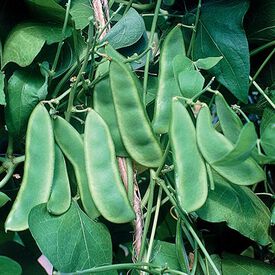
The small Woods Prolific Lima Bean is perfect for canning, freezing and as a dry bean! The bean plant produces thick green pods with small creamy white seeds. Each pod contains about 3 to 4 seeds. The Woods Prolific Lima Bean prefers full sun and has early to mid maturity and produces continuously until frost.
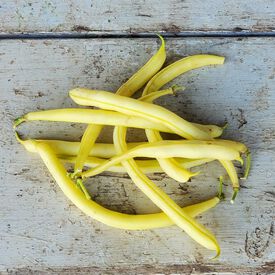
Beautiful bright yellow beans that grow on 5-6" pods. They grow straight and on large, upright plants. A flavorful bean with high disease resistance.
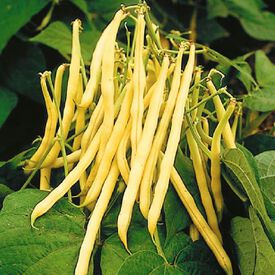
The Pencil Pod Black Wax bean is a highly productive and long standing bush bean. Also known as 'Eastern Black Wax', these beans are bushy, vigorous, and resistant to rust and mosaic virus. The pods are golden color and grow to 5-7" long. A great all-purpose type, that is great fresh, canned, or frozen. As the name hints, the seeds are black.
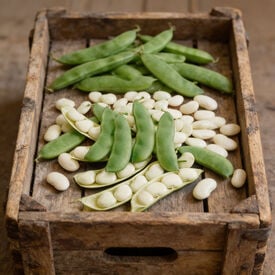
The Eastland bean, scientifically known as Phaseolus vulgaris 'Eastland,' is a popular variety of bush bean that hails from the United States. It is highly esteemed for its exceptional taste and ease of cultivation. Eastland beans belong to the family Fabaceae and are a warm-season crop commonly grown in gardens and small-scale farms. In terms of taste, Eastland beans are celebrated for their tender, crisp texture and rich, earthy flavor. They are a delight to eat both raw and cooked. The pods of Eastland beans are of medium size, typically measuring around 4-5 inches in length. The plants themselves are compact and bushy, making them suitable for smaller gardens and spaces. These beans have a relatively short maturity period, typically taking around 70-75 days from planting to harvest. The beans are known for their vibrant green color, making them visually appealing as well. Eastland beans are generally resistant to common bean diseases such as bean mosaic virus and rust. They are known to provide a good yield per acre, often ranging from 800 to 1,200 pounds of beans per acre, depending on growing conditions and care. Proper spacing is crucial for their growth, with plants typically spaced 3-4 inches apart in rows that are about 18-24 inches apart. These beans thrive in well-drained soil with full sun exposure and require regular watering to maintain consistent moisture levels in the soil. Overall, Eastland beans are a favorite among gardeners and farmers for their taste, disease resistance, and relatively quick harvest time.

The Burpee Improved Bush Lime bean plants produce large pods, high yields, and perfectly shaped beans. Burpee Improved beans are both larger and thicker than normal lima beans. The growth is even more vigorous, with heavier foliage. The plants are uniformly upright.
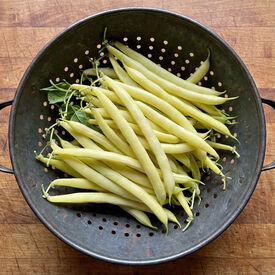
Cherokee Wax beans, also known as Cherokee Yellow Wax beans, are a popular variety of bush beans cherished for their vibrant appearance and delicious flavor. These beans are believed to have originated from the Native American Cherokee tribe, hence their name. Cherokee Wax beans are a warm-season vegetable that thrives in various climates, making them a favorite among home gardeners and commercial growers alike. Cherokee Wax beans are known for their exceptional taste, boasting a mild, slightly sweet flavor with a tender and crisp texture. They are a type of bush bean, which means they grow as compact, bushy plants that don't require support structures. The pods of Cherokee Wax beans typically measure around 5 to 6 inches in length and have a bright yellow color. These beans have a relatively short time to maturity, usually taking about 50-55 days from planting to harvest. They are highly productive, yielding an impressive quantity of beans per 10-foot row. In terms of growing conditions, Cherokee Wax beans thrive in well-draining soil that receives full sun exposure. They require spacing of about 3-4 inches between plants and should be sown in rows that are 18-24 inches apart. Cherokee Wax beans are generally disease-resistant, with some varieties exhibiting resistance to common bean diseases like rust and mosaic virus. With proper care and regular harvesting, these beans can provide a bountiful and delicious addition to your garden or dinner table.