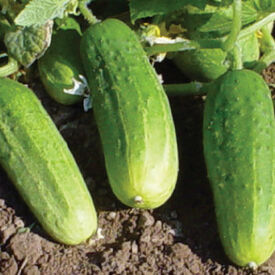
Pioneer F1 is a dependable hybrid pickling cucumber that reaches harvest in about 50–53 days. This non-GMO, gynoecious annual produces vigorous, indeterminate vines that deliver heavy, consistent yields across a wide range of growing conditions. Fruits are uniform, blocky, medium green cucumbers with black spines, averaging about 3 inches long and 1 inch in diameter—ideal for pickling but equally enjoyable fresh. Pioneer performs well in fields, garden beds, raised beds, containers with support, and greenhouse settings. With resistance to Alternaria leaf spot, scab, and downy mildew, this widely adapted variety is a reliable choice for both home gardeners and commercial growers alike.
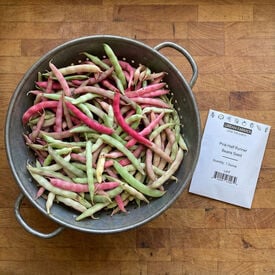
Pink Half Runner bean seeds produce a traditional Appalachian favorite known for its tender pods and flavorful pink-mottled seeds. These beans grow as semi-vining plants—hence the term "half runner"—which means they can be grown with or without support, though a short trellis or fence can improve yields and ease of harvest. The pods are medium-length, stringy when mature, and typically harvested young for snap beans or allowed to mature for shelling or dry use. Pink Half Runners are celebrated for their rich, old-fashioned flavor, making them ideal for slow-cooked dishes and canning. Adaptable and prolific, they perform well in a range of growing conditions and continue to be a cherished staple in many Southern gardens.
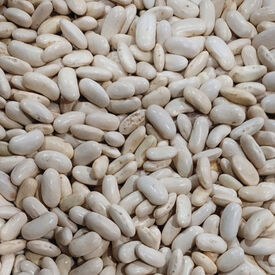
Whiskey Mountain bean seeds produce a rare and distinctive heirloom pole bean known for its vigorous growth, striking appearance, and excellent flavor. The plants climb tall and robustly, requiring support, and yield long, tender pods that can be enjoyed as fresh snap beans or allowed to mature into colorful dry beans. The dry beans often feature unique markings and a rich, earthy taste that makes them ideal for soups and stews. Named after the scenic Whiskey Mountain region, this variety is valued for both its resilience in diverse growing conditions and its ornamental appeal in the garden. With its combination of beauty, hardiness, and culinary versatility, Whiskey Mountain is a treasured choice for gardeners seeking something special.
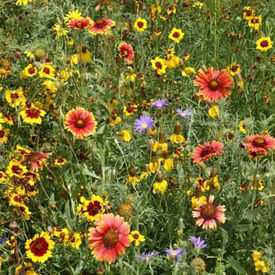
This mix contains annuals and perennials that are native to the north central region of the United States and parts of southern Canada. This area includes North Dakota, South Dakota, eastern Montana, eastern Wyoming, eastern Colorado, the western and central portions of Kansas and Nebraska, southeast Alberta and southern Saskatchewan. Many of these species are derived from seed sources located within this geographical area. This mix should be planted at 11-22 pounds per acre or 8 ounces per 1,000 sq.ft.
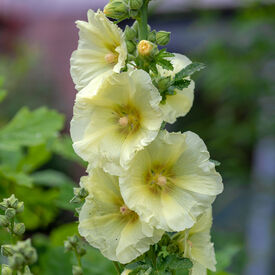
Sunshine Hollyhock (Alcea rosea 'Sunshine') is a cheerful and radiant perennial known for its bright, buttery yellow single blooms that bring warmth and light to garden spaces. As part of the "Spotlight Series," it features sturdy, upright stems that can grow 5 to 6 feet tall, making it an excellent choice for the back of borders, along fences, or in cottage-style gardens. Blooming from mid to late summer, Sunshine Hollyhock thrives in full sun and well-drained soil, and it offers improved resistance to rust compared to older varieties. Its vibrant flowers attract bees, butterflies, and other pollinators, adding both color and ecological value to the landscape.
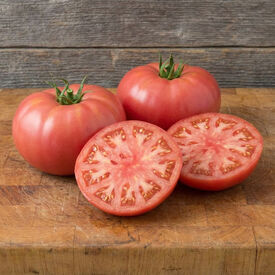
German Johnson tomato seeds produce a classic heirloom variety believed to have originated with German immigrants in the southeastern United States in the early 1900s. This indeterminate, beefsteak-type tomato is known for its large, pinkish-red fruits with slightly flattened shapes and occasional ribbing. German Johnson tomatoes typically mature in about 75–80 days and are prized for their consistently heavy yields throughout the season. The flavor is exceptionally rich, sweet, and low in acidity, making it a favorite for fresh slicing, sandwiches, and summer salads.
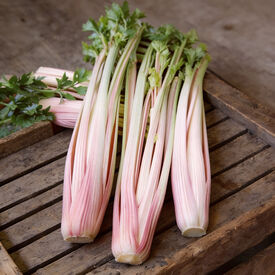
The Peppermint Stick's tender prolific stalks have real celery flavor! This unique, bicolored striped celery is red and white and full of flavor. It is a slow bolting variety. Use the Peppermint Stick's leaves and stalks for fresh seasoning. This celery is definitely a colorful addition to your garden!
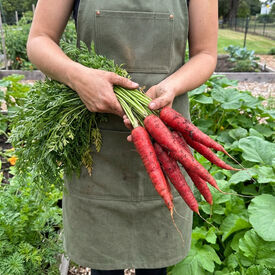
Atomic Red carrots are rich in vitamins and minerals! Bright red root, tapered 1.5 x 11" long, super healthy high lycopene, crispy, intense color even when cooked. Atomic Red carrots are very healthy and unique-looking. The bright red is sure to add color to your garden. Atomic Red is especially high in the anti-oxidant lycopene, which is also found in tomatoes.
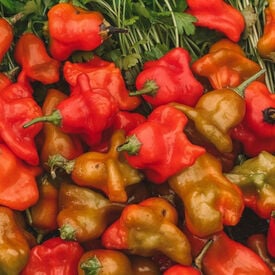
An unusually shaped pepper with a spicy fruity flavor. Their wonderfully fruity taste makes Bishop’s Crown Peppers amazing in salsa and pickles and you can eat them fresh or dried. It's name was given because it’s the shape of a Catholic Bishop’s crown.
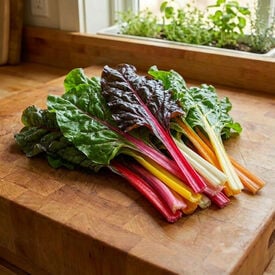
This heirloom Rainbow Swiss chard is remarkably easy to grow and delivers a steady harvest of nutritious greens from a single sowing all season long. Plants feature an upright growth habit that keeps leaves clean and makes harvesting simple, whether picked young or at full size. The vibrant blend of stems ranges from red, pink, white, yellow, and gold, paired with leaves that shift from bright lime green to deep purple-green as they mature. While baby leaves tend to show softer tones—mostly pinks, reds, and whites—the colors intensify as plants reach full size, creating a striking and colorful display that’s as eye-catching in the garden as it is at market.
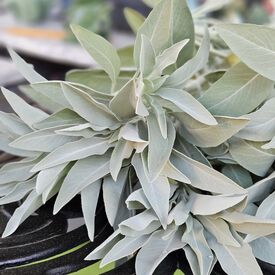
White sage, scientifically known as Salvia apiana, has silvery-gray leaves and aromatic, slender stems, white sage is highly valued for its fragrant, cleansing properties. The leaves have a strong, earthy aroma when dried, making them popular for incense and herbal teas. LOW GERMINATION: White sage (Salvia apiana) seeds generally have a low germination rate, often around 15-30%, but can vary. This low rate is a survival mechanism for the plant in its native desert environment, where not all seeds need to germinate at once.
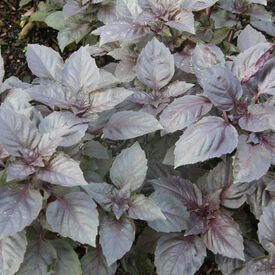
Red Rubin basil is a stunning variety that adds both visual appeal and culinary flair to any herb garden. This basil cultivar is renowned for its deep purple, almost red leaves, which stand out beautifully against traditional green herbs. Its striking color is not just for show; it signifies a rich concentration of anthocyanins, giving the leaves their unique hue and adding a subtle hint of spice to their flavor profile. Red Rubin basil offers a slightly more intense, aromatic taste compared to classic green basil, making it a fantastic addition to salads, pesto, and a variety of dishes where a touch of color and a burst of flavor are desired. Beyond its culinary uses, Red Rubin basil is also a visually appealing plant that can enhance garden aesthetics with its vibrant foliage. Additionally, it is easy to grow, thriving in warm, sunny conditions and well-drained soil, making it a favorite among gardeners looking to diversify their herb collection.
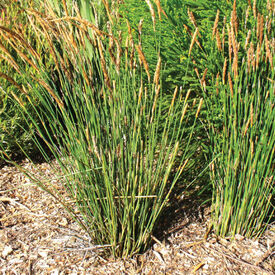
A large reed-like plant with long dark green stems that produce male and female flowers. Flowers are dark brown and can sometimes appear almost black. Individual flowers are almost microscopic and can number anywhere from 50 to over 500 flowers per stem.
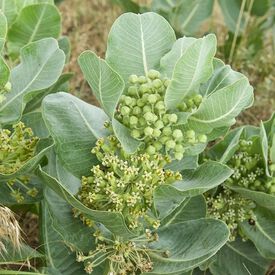
Western Sand Milkweed (Asclepias arenaria), also known as Sandhill Milkweed or Dwarf Milkweed, is a hardy, drought-tolerant species native to the sandy plains and prairies of the central and southwestern United States, where it has long supported pollinators and played a role in Indigenous plant knowledge. This milkweed forms upright stems with soft, velvety, blue-green leaves and produces clusters of pale greenish-white flowers that are highly attractive to monarchs, bees, and other beneficial insects. Adapted to arid, shifting soils, it thrives in full sun, well-drained sandy or loamy ground, and low-water conditions, making it ideal for xeriscapes and native plant gardens. For best results, stratify seeds before sowing, plant them shallowly, and avoid overwatering—Western Sand Milkweed prefers lean soils and rewards minimal care with strong growth and prolific blooms.
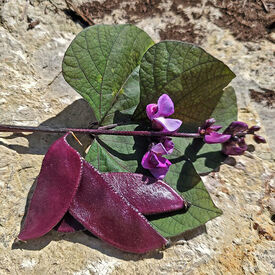
Ruby Moon Hyacinth Bean, also known as Lablab purpureus or simply Hyacinth Bean, is a unique and versatile legume known for its vibrant appearance and culinary potential. This heirloom variety is named for its striking ruby-red pods and dark green foliage, making it an attractive addition to both ornamental and edible gardens. Ruby Moon Hyacinth Beans are typically grown as annuals, but in tropical regions, they can be perennial. In terms of taste, the young pods and seeds of Ruby Moon Hyacinth Bean are edible and have a mild, nutty flavor similar to green beans. They can be consumed both raw and cooked. However, it's important to note that mature seeds contain toxic compounds and should not be eaten without proper processing. Ruby Moon Hyacinth Beans have a rich history, with their cultivation dating back centuries, primarily in Asia and Africa. They are valued not only for their culinary uses but also for their ability to fix nitrogen in the soil, enhancing soil fertility. This plant is categorized as a warm-season annual and typically matures in about 60-90 days, depending on growing conditions. The size of the Ruby Moon Hyacinth Bean plant can vary, but it generally reaches a height of 6-10 feet, making it suitable for trellises or fences. When it comes to yield, you can expect approximately 10-15 pounds of pods per plant or around 800-1,200 pounds per acre under ideal conditions. These beans thrive in full sun and well-drained soil, and they require a warm climate to grow successfully. Adequate moisture and support for climbing are essential for a bountiful harvest. With proper care, Ruby Moon Hyacinth Beans can be a delightful addition to your garden, offering both visual appeal and a tasty, nutritious addition to your plate.
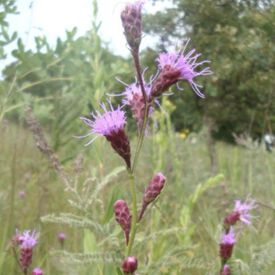
Dwarf Blazing Star (Liatris cylindracea) is a petite, drought-hardy species native to the dry prairies, glades, and rocky outcrops of the central and eastern United States, where its deep taproot allowed it to persist through challenging conditions. Unlike the taller prairie Liatris types, L. cylindracea stays low and compact, often producing short, sturdy flower spikes lined with cylindrical clusters of vivid purple blooms that open from the top down and draw in bees, butterflies, and other pollinators. Its narrow, grass-like leaves form a tidy basal clump, giving it a clean, architectural look ideal for small gardens or rocky sites. To grow Dwarf Blazing Star successfully, plant seeds in full sun and sharply drained soil, and allow for natural winter stratification or chill the seeds before sowing; though slow to establish, it becomes a tough, long-lived perennial that rewards gardeners with dependable, eye-catching late-summer color.

Easy on the back and great way to start transplants! Multi 12 Blocker makes 20 blocks that are 1 3/8" x 1 3/8" x 1 5/8" high. Includes 3/4" square dibbles for potting on seedlings in mini blocks. Experienced growers can make and plant up to 2,500 blocks per hour. This is the tool to have if you plan to use soil blocks for transplants on a commercial scale.
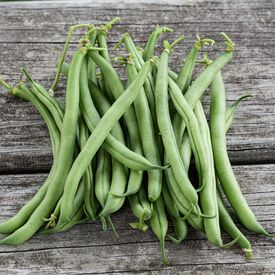
Cinnabar Mountain bean seeds produce striking, ornamental pole beans known for their vivid scarlet flowers and long, slender pods. This variety is not only visually appealing but also productive, climbing vigorously and yielding beans that can be eaten young as snap beans or left to mature for dry beans. Named after the cinnabar-red hues of its blooms, it attracts pollinators like hummingbirds and bees, making it a beautiful and beneficial addition to gardens. The plants thrive in warm weather with full sun and well-drained soil, and they require sturdy trellising due to their vigorous vining habit. Cinnabar Mountain beans combine aesthetic charm with culinary value, making them a favorite for both ornamental and edible landscapes.