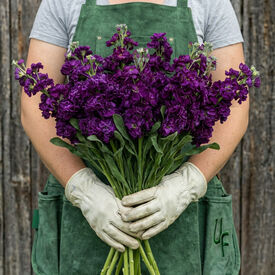
Iron Purple stock offers dependable, florist-grade quality in an early, single-stem (column-type) series bred for uniform, one-cut harvests. True to its name, it produces strong, straight, and rigid stems that hold up well through production and handling. The Iron series has shown excellent performance in spring, early summer, and fall plantings, with the ability to achieve up to 55% double flowers without selection, or fully selectable for doubles. Dense, closely set florets form compact 1½–2 inch blooms in soft blush to rose pink, creating a full, refined look. This variety produces only one flowering stem per plant, and pinching is not recommended, as it will stop flowering.
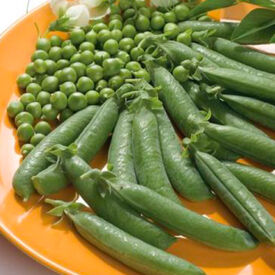
Premium, adapted to the early season, handles cool soils very well. Pod sizes averages 4-4.5" with 7-8 peas per pod. Premium also offers good yield potential and great for processing.
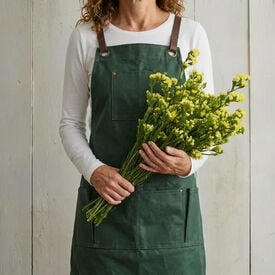
Hipster Yellow Limonium seeds—often referred to as Sea Lavender, Statice, or Limonium sinuatum—produce a modern, vibrant take on a classic cut-flower favorite that has been grown for centuries around the Mediterranean for its long-lasting blooms and excellent dried-flower qualities. This variety features sturdy stems topped with clouds of papery, creamy yellow calyxes that hold their color exceptionally well, giving arrangements a soft, airy texture both fresh and dried. Plants thrive in full sun, heat, and drought, preferring sandy or well-drained soil, and they resent overwatering. For best results, start seeds indoors 8–10 weeks before the last frost, lightly covering them, and transplant once the weather warms; in the garden, avoid rich soils and excess moisture, as limonium performs best under lean, dry conditions.

Hipster Rose Limonium seeds—often referred to as Sea Lavender, Statice, or Limonium sinuatum—produce a modern, vibrant take on a classic cut-flower favorite that has been grown for centuries around the Mediterranean for its long-lasting blooms and excellent dried-flower qualities. This variety features sturdy stems topped with clouds of papery, light pink calyxes that hold their color exceptionally well, giving arrangements a soft, airy texture both fresh and dried. Plants thrive in full sun, heat, and drought, preferring sandy or well-drained soil, and they resent overwatering. For best results, start seeds indoors 8–10 weeks before the last frost, lightly covering them, and transplant once the weather warms; in the garden, avoid rich soils and excess moisture, as limonium performs best under lean, dry conditions.
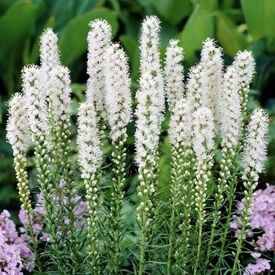
Dense Blazing Star ‘Blazing White’ (Liatris spicata ‘Blazing White’), also called White Gayfeather, is a cultivated selection of the native Dense Blazing Star, originally found in North American meadows and moist prairies. This variety is prized for its striking, pure white flower spikes that bloom from the top down, creating the same dramatic vertical accent as the traditional purple form while offering a bright, elegant contrast in the garden. It features narrow, grass-like foliage forming a tidy basal clump and attracts butterflies, bees, and other pollinators throughout late summer. To grow ‘Blazing White’ successfully, plant seeds or divisions in full sun with moist, well-drained soil; it establishes gradually but becomes a hardy, long-lived perennial that provides reliable, pollinator-friendly blooms year after year.
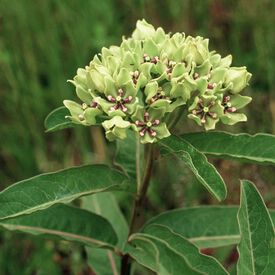
Asclepias viridis, commonly known as Spider Milkweed or Green Milkweed, is a native North American species with a long ecological history tied to grasslands and prairies of the central and southern United States. Its distinctive greenish-white flowers arranged in rounded clusters give it a spider-like appearance, attracting a wide array of pollinators, especially butterflies, and serving as an essential host plant for monarch caterpillars. Spider Milkweed forms a deep taproot, allowing it to thrive in dry, rocky, or sandy soils, and its thick, upright stems bear broad, smooth leaves that take on a bluish hue. Appreciated for its drought tolerance, wildlife value, and unique ornamental look, A. viridis has become an increasingly popular choice in native and prairie-style plantings.
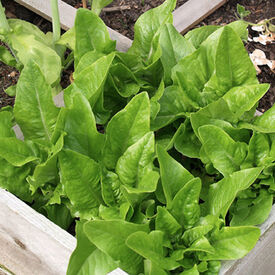
The Deer Tongue Lettuce really does look like a deer tongue! These triangular leaves are excellent for baby salad greens. Deer Tongue lettuce has medium-green leaves that form loose upright heads that are slow to bolt. This is a popular variety with many heirloom growers, as Deer Tongue has been an Amish favorite for decades!
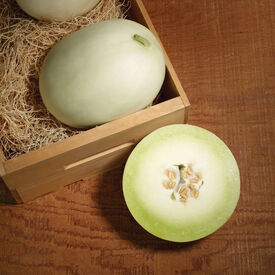
Super Nectar is a great mid-season honeydew with excellent quality. Its smooth dense green flesh produces a savory honeydew flavor. The fruit is round to round-oval in shape. The vine is vigorous and adds good cover and protection from sunburn.
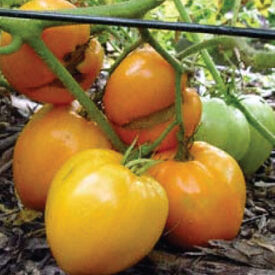
The Orange Oxheart Tomato is an oxheart variety that has vigorous vines that produce plenty of beautiful, orange tomatoes. These tomatoes have a sweet and juicy flavor that will have you growing them for years and years to come! The Orange Oxheart weighs around 16-32 ounces and is just perfect looking!
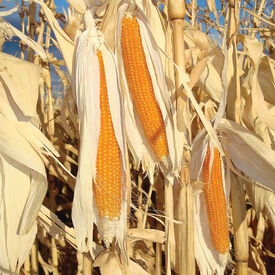
R997 is a mid-season butterfly popcorn with the large orange grain. R997 has long cylinder-shaped ears with easy shelling orange kernels and improved stalk strength. It has wide geographic adaptation and has performed exceptionally internationally. High resistance: Grey Leaf Spot Intermediate Resistance: Common Rust, Northern Corn Leaf Blight, and Drought.
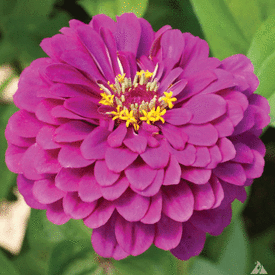
The Purple Prince Zinnia is a big, beautiful and bright purple bloomed variety that is extremely easy to grow and long-lasting. This variety's brilliantly-purple petals make a bright, bold statement in the meadow or garden.
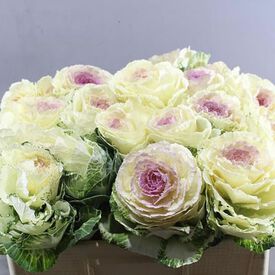
Condor White is a cut flower kale that offers a textured and on-trend look for bouquets and arrangements. This variety has white foliage that turns purplish-pink toward the center. Bred for stems that grow straight and that are are easy to cut and bunch. Also known as flowering kale and ornamental cabbage.

The Dazzler Cosmo is a real garden dazzler as it is a great variety that produces beautiful red blooms that make a bold statement. This unique cosmo variety has blunt petals and bright yellow centers.
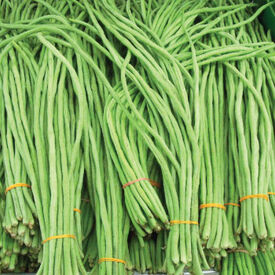
The Yard Long White is a very long bean stalk from Asia. Yard Long Bean produces high yields of flavorful very long stringless white beans. This variety is a favorite because of it's sweet and tender taste. This is the white seeded variety.

Bonita Shell Pink Aster produces beautiful, fully-double pompon flowers that that turn light pink throughout. The light pink flowers reach up to 2" in diameter and remain attractive even when aging. Shell Pink Bonita’s flowers are held at a perfect angle for maximum impact. Bonita has fusarium resistance.
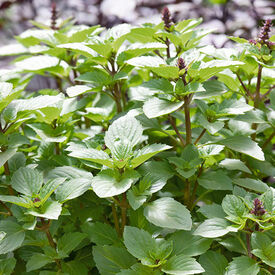
The Persian Basil produces beautifully large and amazingly delicious bright green leaves that will enhance just about any dish! You will love having this beauty grow in your garden and so will pollinators as it is also a very attractive ornamental plant. Enjoy the zesty Persian Basil in any soup, pasta or salad. This variety is a prolific producer.
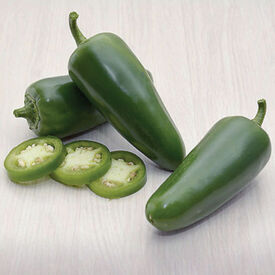
A consistent producer of jumbo sized jalapenos. These monsters mature to 5"! Fruits have a subtle to medium heat that doesn't linger on the tongue and become overwhelming. High quality peppers are smooth, firm and have thick walls that are the perfect size for stuffing, grilling or for poppers.
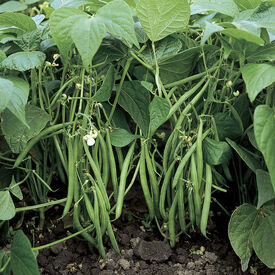
Jameson Bean is a popular and versatile variety of bean known for its exceptional taste and rich history. These beans are classified as a bush bean, which means they grow in a compact, bushy fashion without the need for support structures. Jameson Beans are typically small to medium-sized, oval-shaped, and boast a creamy texture with a slightly nutty and earthy flavor profile. They are a beloved choice for both fresh consumption and canning due to their outstanding taste. With a historical background dating back decades, Jameson Beans have been a favorite among home gardeners and commercial growers alike. They have a relatively short maturity period, typically taking around 50 to 55 days to reach full maturity from the time of planting. The beans themselves are often a vibrant green color, making them visually appealing in a variety of dishes. In terms of growing characteristics, Jameson Beans exhibit good disease resistance, particularly against common bean diseases such as rust and bean common mosaic virus. The yield per row can vary depending on factors such as soil quality and care, but they tend to be productive plants, providing a substantial harvest. It is recommended to space the plants about 2-4 inches apart in rows that are approximately 18-24 inches apart. These beans thrive in well-drained soil and require full sun for optimal growth, making them a reliable choice for both novice and experienced gardeners.