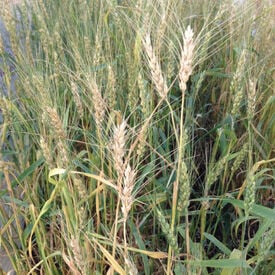
The Winter Wheat is a cool weather grain that is quick to germinate, cold tolerant and is adaptable to a wide range of soils! This wheat can be sown in late summer for erosion control and tilled under in early spring to add organic matter. The Winter Wheat is winter hardy nearly anywhere, and won't go to seed until its second year of growth. Use: Erosion Control, Green Manure, Nitrogen Scavenger, No Till, Weed Suppression
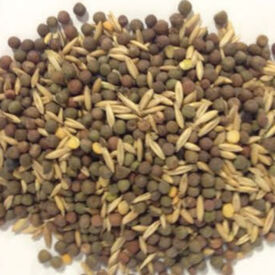
Using the Field Peas and Oats Blend throughout your garden is a great way to fix nitrogen and add organic matter to the soil! This blend contains a great ratio of grass and legume cover crop for fixing nitrogen, winter cover, weed suppression and more. The Field Peas and Oats Blend should be sown from early spring to late summer. Sow no later than 6 weeks before first fall frost in your area. This variety is gold hardy enough to grow long into the fall leaving behind a great mulch for soil protection. (75% peas / 25% oats by weight) Seed Coverage: - 5 lbs covers 2,000-4,000 sqaure feet - 100 lbs covers 1-2 acres Uses: Deer Attractant, Green Manure, Nitrogen Fixation, No Till, Organic Matter (Biomass), Weed Suppression
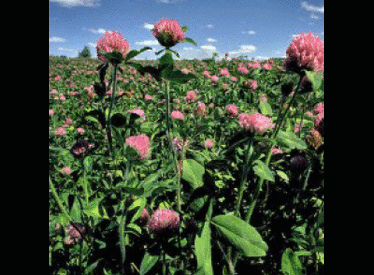
The Mammoth Red Clover is a large, fast growing clover that is an ideal grazing crop and can be sowed in spring, summer or fall! Mammoth Red is a popular biennial clover used for Nitrogen addition and hay crops. This red clover may be the best choice for frost seeding; it is extremely cold hardy and does well in most soils and growing conditions. The Mammoth Red Clover will fix up to 70-110 lbs. nitrogen per acre. This variety's long tap roots loosen soils and mine phosphorus and other nutrients from deep in the soil. Uses: Bees & Beneficial Insects, Chicken Forage, Compaction Control, Deer Attractant, Erosion Control, Forage, Green Manure, Nitrogen Fixation, No Till, Weed Suppression
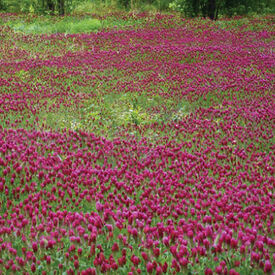
The Medium Red Clover is fast to establish and can be grown in most soil types as well as sowed in spring, summer or fall! This clover works well for hay or silage. The Medium Red Clover can be used as a cover crop between rows of vegetable crops if mowed to maintain manageability. This clover can fix up to 150 lb. of nitrogen per acre. Uses: Bees & Beneficial Insects, Chicken Forage, Compaction Control, Deer Attractant, Erosion Control, Forage, Green Manure, Nitrogen Fixation, No Till, Weed Suppression
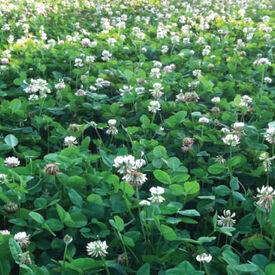
The Ladino Clover is the most popular white clover in the USA as it is two to four times as large as the common white clover! This clover has a high nutritive value and is palatability, making it a popular choice in pasture mixtures. It is not deep rooted, and will not tolerate much drought. Ryegrass and orchardgrass work well with ladino clover in mixtures. Broadcast at 25 lbs. per acre. Seed comes inoculated. Uses: Bees & Beneficial Insects, Chicken Forage, Compaction Control, Deer Attractant, Erosion Control, Forage, Green Manure, Nitrogen Fixation, No Till, Weed Suppression
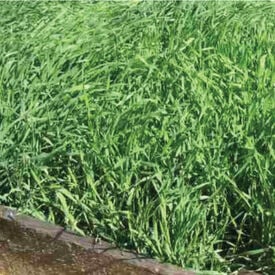
The Elbon Rye is a grain that is the best choice for fast, cool-season germination that prevents erosion and builds organic matter in the soil! Plant this variety early to late fall; in mild climates fall through early spring. This grain captures soil nutrients in the fall to release in spring when worked into the soil. The Elbon Rye can reach up to 5 feet! Cereal Rye (Secale cereale L.): Cool season, grass, Annual or perennial, Upright plant growth, Crude protein: straw 4%, grain 14%, C:N ratio: 40-48, Self pollinator (wind) Uses: Erosion Control, Green Manure, Nitrogen Scavenger, No Till, Organic Matter (Biomass), Weed suppression
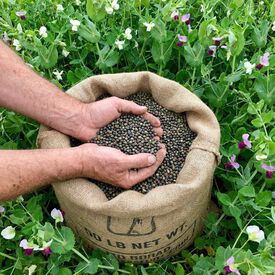
The Packer Forage Pea, or Canadian field pea, is a cool-season legume that is used for cover crops, wildlife and winter grazing! This annual legume has good nitrogen-fixing capabilities. The Packer Forage Pea is a low-growing, viny legume which has been shown to fix over 200 pounds of nitrogen per acre per year. Uses: Chicken Forage, Deer Attractant, Forage, Green Manure, Nitrogen Fixation, No Till, Organic Matter (Biomass), Weed Suppression
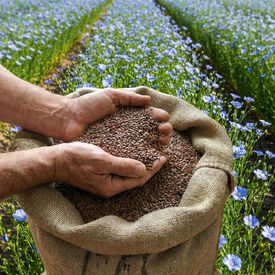
The Common Flax is a cool season annual broadleaf with small taproots and very small, narrow leaves that are less than an inch long. This variety's stems are branched near the base of the plant, with plants reaching 30 to 36 inches in height. The multiple stems or branches of a flax plant are slender and flexible, bearing attractive blue flowers. Flax has the same performance benefits of other grasses and grains, of quick germination and a highly fibrous root mass. Flax will take up excess N and other minerals, will winter kill and provide moderate to high amounts of organic matter back to the soil. Flax provides excellent mulch for protection of erosion and improving water permeation during the winter and spring. Flax (Linum usitatissimum): Cool season, broadleaf, Annual, Upright plant habit Uses: Bees & Beneficial Insects, Chicken Forage, Erosion Control, Green Manure, Nitrogen Savenger, No Till, Organic Matter (Biomass)
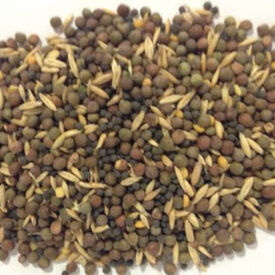
A multipurpose cover crop blend that is sowed in spring! A cover crop blend is great for nitrogen fixation, adding organic matter and weed suppression. This mix will quickly improve soil to maximize the benefits of cover crops for your garden. Should be inoculated for best results. (60% Field Pea, 25% Oats, 15% Hairy Vetch) Seed Coverage: - 5 lbs covers 2,000-4,000 sqaure feet - 100 lbs covers 1-2 acres Uses: Green Manure, Nitrogen Fixation, No Till, Organic Matter (Biomass), Weed Suppression
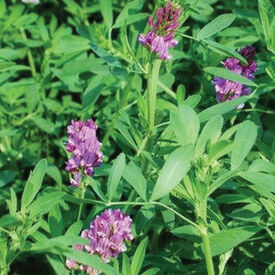
The Common Alfalfa is a somewhat winter hardy perennial legume, but it grows more quickly than other regular alfalfa varieties. As an annual green manure, this cool-season "Summer" alfalfa can produce up to 10 tons of organic matter per acre. Its long taproots break up compacted soil and bring up subsurface minerals. High nitrogen fixation and great bee forage. Alfalfa is basically good at everything, as it great for nitrogen fixation and bee forage! Just look at all it's uses below! Alfalfa (Medicago sativa L.): Cool season, broadleaf, Perennial, Legume (N-fixation), Upright plant growth, Crude protein: hay or silage 14-22% Uses: Bees & Beneficial Insects, Chicken Forage, Compaction Control, Deer Attractant, Erosion Control, Forage, Green Manure, Nitrogen Fixation, Nitrogen Scavenger, No Till, Organic Matter (Biomass), Weed Suppression
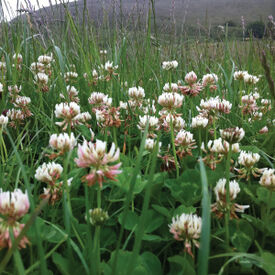
The White Dutch Clover is a perennial clover variety that is a customer favorite for controlling erosion while protecting the soil! This legume is a living mulch of permanent cover that spreads by stolons. Grow low so takes close mowing and grazing. The White Dutch Clover benefits bees and insects as well as fixes nitrogen. Uses: Bees & Beneficial Insects, Chicken Forage, Deer Attractant, Erosion Control, Forage, Green Manure, Nitrogen Fixation, No Till, Weed Suppression
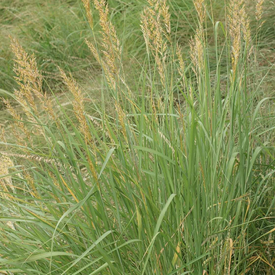
The Indiangrass is a warm-season bunchgrass that is native to central and eastern North America and provides cover and food for wildlife. This grass can reach up to seven feet tall and is a common species of the Tallgrass Prairie. The beautiful, plume-like seed heads are very ornamental making them excellent for prairie and conservation mixtures.
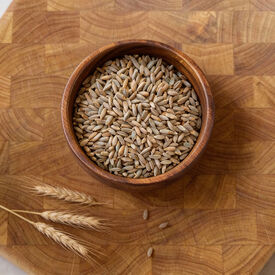
Developed in the mid-1970s by the Polish Plant Breeding Institute in Poznan, Danko Rye was bred specifically for milling high-quality flour used in traditional European-style baking. This hardy winter rye produces large, plump berries that are also prized by brewers and distillers for their rich character and performance as a whole grain. Known for its bold, complex flavor, Danko Rye brings deep, spicy notes and a dense, hearty texture to breads. It offers excellent baking qualities, including strong gluten strength for rye, which helps loaves hold their shape—an important trait for artisan bakers. Its distinctive taste and versatility have made it a trusted favorite for both baking and craft distilling.
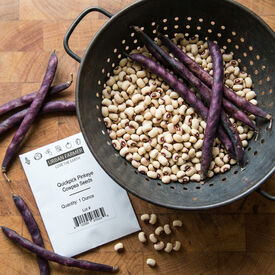
The Quickpick Pinkeye cowpea is a bush type southern cowpea with early maturity and good disease resistance. This variety is a pinkeye Purplehull type variety that is determinate, erect, compact (reach about 20 inches), and non-vining. This cowpea gets its name, Quickpick, because it matures in about 60 days. The pods are dark-purple and about seven to eight inches long containing nine to eleven, kidney-shaped seeds with large, maroon colored eyes. If you are using for Nitrogen fixation we highly recommend using a cowpea inoculant. Try with cowpea inoculant for maximum Nitrogen fixation.
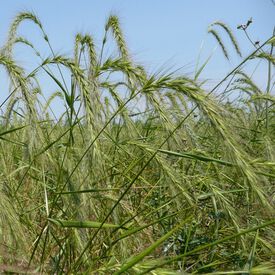
The Mandan Wildrye Grass is a fast growing, cool-season, perennial bunch-grass that is a great choice for erosion control. It can be planted early or late fall, but for best results, Mandan Wildrye should be planted in the spring. This hardy grass performs well on most soil types. The Mandan Wildrye produces and brown seed head and can grow up to 4 feet! Uses: Erosion Control, Forage, Green Manure, Nitrogen Scavenger, No Till, Organic Matter (Biomass), Weed suppression
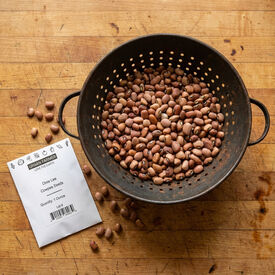
Dixie Lee cowpea seeds are a popular variety of cowpeas known for their high yield, disease resistance, and adaptability to various climates. These seeds produce vigorous, heat-tolerant plants that thrive in warm, dry conditions, making them ideal for Southern and drought-prone regions. The Dixie Lee variety is particularly favored for its tender, flavorful beans that are often used in a range of culinary dishes, from soups to side dishes. The plants typically produce medium-sized, cream-colored pods with dark brown or black-eyed beans, and they can be harvested both as fresh beans or dry beans. As a legume, Dixie Lee cowpeas also enrich the soil by fixing nitrogen, benefiting crop rotation systems.
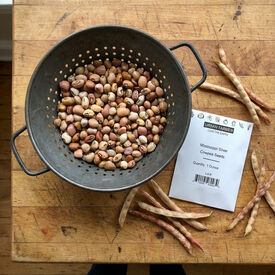
The Mississippi Silver cowpea is adapted to hot humid climates, but does well in most climates. This variety produces pods 6-7 " long, and that are colored silver, occasionally streaked with rose. The Mississippi Silver is easy to grow and shell. If you are using for Nitrogen fixation we highly recommend using a cowpea inoculant. Try with cowpea inoculant for maximum Nitrogen fixation.
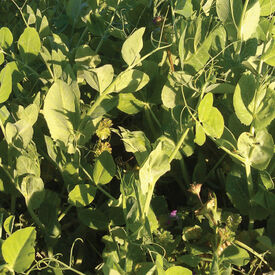
The Secada Forage Pea is a relatively new forage pea that has a wide range of uses such as forage, green manure, weed suppression and more! This forage pea is highly palatable, self-climbing and with high dry matter yields. A fast growing, cool-season annual legume, the Secada Forage Pea performs very well during the fall, winter and spring in Southern states. In more northern climes, an early spring plant will give high dry matter yields of excellent forage. Uses: Chicken Forage, Deer Attractant, Forage, Green Manure, Nitrogen Fixation, No Till, Organic Matter (Biomass), Weed Suppression