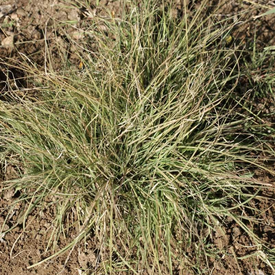
The Buffalo Grass is a warm-season grass that is the predominant component of the shortgrass prairies of the Great Plains. Once established, it is extremely drought tolerant and tough. It can be used as a xeriscape lawn grass for water conservation, and it is a common component in range mixtures. White Tailed Deer, Bison and Prairie Dogs utilize it for forage, and it is a larval host for the Green Skipper. Plants are stoloniferous and can invade flower beds if an edging or barrier is not used.
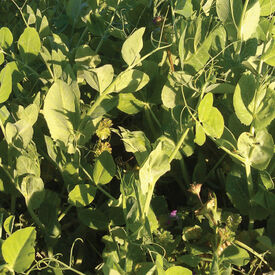
The Secada Forage Pea is a relatively new forage pea that has a wide range of uses such as forage, green manure, weed suppression and more! This forage pea is highly palatable, self-climbing and with high dry matter yields. A fast growing, cool-season annual legume, the Secada Forage Pea performs very well during the fall, winter and spring in Southern states. In more northern climes, an early spring plant will give high dry matter yields of excellent forage. Uses: Chicken Forage, Deer Attractant, Forage, Green Manure, Nitrogen Fixation, No Till, Organic Matter (Biomass), Weed Suppression
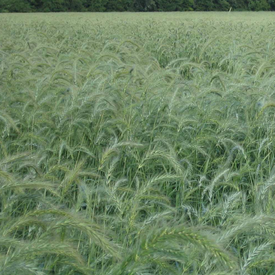
The Canada Wildrye is a cool-season bunchgrass grain variety that can be found throughout Canada and the U.S. except in the southeastern states. It is typically found in prairies, open woods, fields and disturbed sites. This grain tends to be short-lived but provides quick stabilization for erosion control seedings, and it makes a good, early successional component of prairie mixtures. The Canada Wildrye provides quality forage for livestock and wildlife.
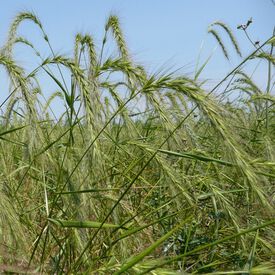
The Mandan Wildrye Grass is a fast growing, cool-season, perennial bunch-grass that is a great choice for erosion control. It can be planted early or late fall, but for best results, Mandan Wildrye should be planted in the spring. This hardy grass performs well on most soil types. The Mandan Wildrye produces and brown seed head and can grow up to 4 feet! Uses: Erosion Control, Forage, Green Manure, Nitrogen Scavenger, No Till, Organic Matter (Biomass), Weed suppression
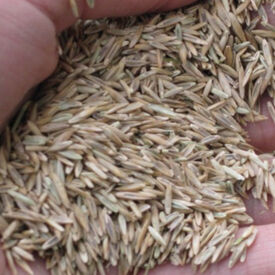
The Frontier Grazer Rye is a grain that makes a great cover crop to prevent erosion and build up organic matter in the soil! Plant this variety early to late fall; in mild climates fall through early spring. The best choice for fast, cool-season germination. The Frontier Grazer Rye captures soil nutrients in the fall to release in spring when worked into the soil. Uses: Erosion Control, Green Manure, Nitrogen Scavenger, No Till, Organic Matter (Biomass), Weed Suppression<
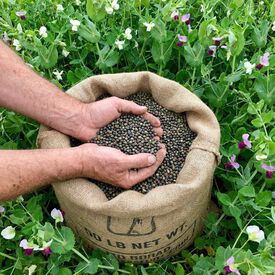
The Packer Forage Pea, or Canadian field pea, is a cool-season legume that is used for cover crops, wildlife and winter grazing! This annual legume has good nitrogen-fixing capabilities. The Packer Forage Pea is a low-growing, viny legume which has been shown to fix over 200 pounds of nitrogen per acre per year. Uses: Chicken Forage, Deer Attractant, Forage, Green Manure, Nitrogen Fixation, No Till, Organic Matter (Biomass), Weed Suppression
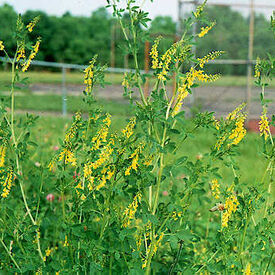
The Sweet Clover is a legume that is exceptional for not only attracting honey bees to the garden, but also creating green manure! This clover can grow nearly anywhere under most conditions. The Sweet Clover is our favorite clover because it is more versatile than other clovers at nitrogen fixating, erosion control and attracting beneficial insects. This variety is slow to establish the first year but comes on fast the following year and can produce up to 170 lb. of nitrogen per acre. The Sweet Clover comes OMRI Pre-inoculated. Uses: Bees & Beneficial Insects, Chicken Forage, Compaction Control, Deer Attractant, Erosion Control, Forage, Green Manure, Nitrogen Fixation, No Till, Weed Suppression
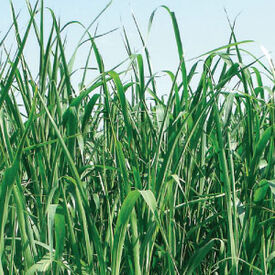
The Piper Sudangrass is a great catch crop for excess nitrogen that produces heavy amounts of organic matter and suppresses weeds. This grass grows quickly at heights up to 7 feet. The Piper Sudangrass is great for livestock forage, but should be grazed only when mature and never after a frost as it turns toxic. Uses: Erosion Control, Green Manure, Nitrogen Scavenger, No Till, Organic Matter (Biomass), Weed Suppression
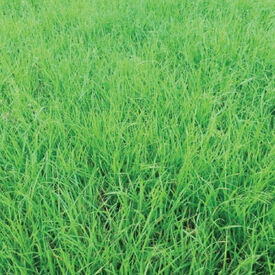
The Annual Ryegrass is a very fast growing grass that makes for a great cover crop as its fibrous roots prevent soil erosion and build organic matter! Plant this grass early fall to late fall, or early to mid-spring and can germinate in cool weather. The Annual Ryegrass established protective cover quickly and over seeds well at higher rates. This grass can scavenge as much as 200 pounds of nitrogen per acre. When used as a spring cover crop, this Annual Ryegrass should be killed before reaching seed formation stage. Ryegrass (Lolium sp.) Uses: Erosion Control, Green Manure, Nitrogen Scavenger, No Till, Organic Matter (Biomass), Weed Suppression
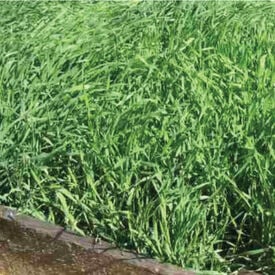
The Elbon Rye is a grain that is the best choice for fast, cool-season germination that prevents erosion and builds organic matter in the soil! Plant this variety early to late fall; in mild climates fall through early spring. This grain captures soil nutrients in the fall to release in spring when worked into the soil. The Elbon Rye can reach up to 5 feet! Cereal Rye (Secale cereale L.): Cool season, grass, Annual or perennial, Upright plant growth, Crude protein: straw 4%, grain 14%, C:N ratio: 40-48, Self pollinator (wind) Uses: Erosion Control, Green Manure, Nitrogen Scavenger, No Till, Organic Matter (Biomass), Weed suppression
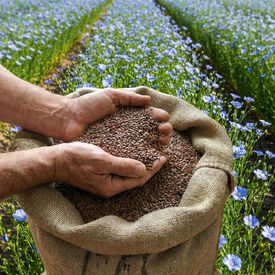
The Common Flax is a cool season annual broadleaf with small taproots and very small, narrow leaves that are less than an inch long. This variety's stems are branched near the base of the plant, with plants reaching 30 to 36 inches in height. The multiple stems or branches of a flax plant are slender and flexible, bearing attractive blue flowers. Flax has the same performance benefits of other grasses and grains, of quick germination and a highly fibrous root mass. Flax will take up excess N and other minerals, will winter kill and provide moderate to high amounts of organic matter back to the soil. Flax provides excellent mulch for protection of erosion and improving water permeation during the winter and spring. Flax (Linum usitatissimum): Cool season, broadleaf, Annual, Upright plant habit Uses: Bees & Beneficial Insects, Chicken Forage, Erosion Control, Green Manure, Nitrogen Savenger, No Till, Organic Matter (Biomass)
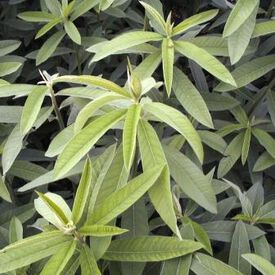
The Sunn Hemp is a legume that makes an excellent cover crop as it is great for nitrogen fixation and nematode resistance in the soil. This legume is a fast-growing legume that produces significant quantities of biomass and fixes nitrogen into the soil with a short rotation of 60 days under optimum conditions. Plant the Sunn Hemp at least 8 weeks before first frost. For maximum benefit terminate crop at first flowering, prior to developing fibrous, hard-to-manage stalks. This legume is tolerant of dry conditions. Avg. 15,000 seeds/lb. Uses: Compaction Control, Erosion Control, Green Manure, Nitrogen Fixation, Organic Matter (Biomass), Weed Suppression
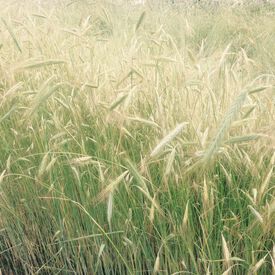
The Winter Rye is a tall grain cover crop that can reach up to be 5 feet tall and prevents erosion and builds organic matter in the soil. This grain can be planted early to late fall and in mild climates, fall through early spring. This grain is the best choice for fast, cool-season germination. The Winter Rye captures soil nutrients in the fall to release in spring when worked into the soil. Uses: Erosion Control, Green Manure, Nitrogen Scavenger, No Till, Organic Matter (Biomass), Weed suppression
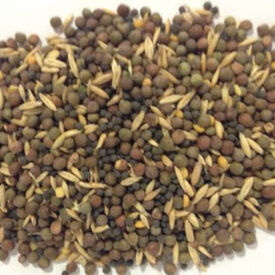
A multipurpose cover crop blend that is sowed in spring! A cover crop blend is great for nitrogen fixation, adding organic matter and weed suppression. This mix will quickly improve soil to maximize the benefits of cover crops for your garden. Should be inoculated for best results. (60% Field Pea, 25% Oats, 15% Hairy Vetch) Seed Coverage: - 5 lbs covers 2,000-4,000 sqaure feet - 100 lbs covers 1-2 acres Uses: Green Manure, Nitrogen Fixation, No Till, Organic Matter (Biomass), Weed Suppression
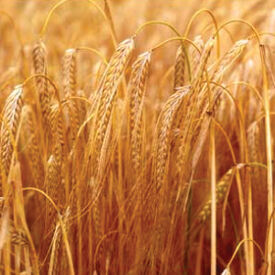
The Thoroughbred Barley is a widely adapted variety of barley that is high yielding, with a great straw strength and a high test weight. This grain is a good standing six-rowed barley. This variety is resistant to powdery mildew and barley yellow dwarf virus. Uses: Bees & Beneficial Insects, Erosion Control, Green Manure, Nitrogen Scavenger, No Till, Organic Matter (Biomass), Weed Suppression
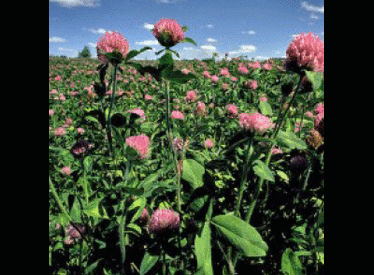
The Mammoth Red Clover is a large, fast growing clover that is an ideal grazing crop and can be sowed in spring, summer or fall! Mammoth Red is a popular biennial clover used for Nitrogen addition and hay crops. This red clover may be the best choice for frost seeding; it is extremely cold hardy and does well in most soils and growing conditions. The Mammoth Red Clover will fix up to 70-110 lbs. nitrogen per acre. This variety's long tap roots loosen soils and mine phosphorus and other nutrients from deep in the soil. Uses: Bees & Beneficial Insects, Chicken Forage, Compaction Control, Deer Attractant, Erosion Control, Forage, Green Manure, Nitrogen Fixation, No Till, Weed Suppression
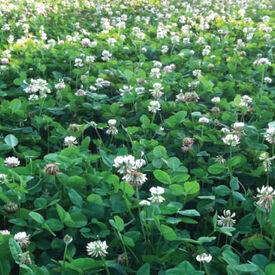
The Ladino Clover is the most popular white clover in the USA as it is two to four times as large as the common white clover! This clover has a high nutritive value and is palatability, making it a popular choice in pasture mixtures. It is not deep rooted, and will not tolerate much drought. Ryegrass and orchardgrass work well with ladino clover in mixtures. Broadcast at 25 lbs. per acre. Seed comes inoculated. Uses: Bees & Beneficial Insects, Chicken Forage, Compaction Control, Deer Attractant, Erosion Control, Forage, Green Manure, Nitrogen Fixation, No Till, Weed Suppression
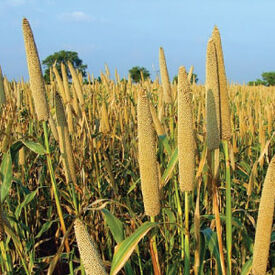
The Pearl Millet is a very tall grass that can reach to be 15 feet tall that is used as a multiple cut forage grass and green manure. This grass is high in protein, digestible and free of prussic acid. The Pearl Millet is perfect used for hay, pasture and silage for feeding cattle, horses, goats and other livestock. The Pearl Millet is also a very good green manure that is well adapted to low soil moisture, low fertility and high temperatures. Uses: Erosion Control, Green Manure, Nitrogen Scavenger, No Till, Organic Matter (Biomass), Weed Suppression