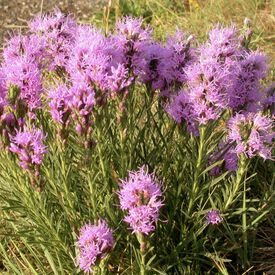
Dotted Blazing Star (Liatris punctata) is a hardy native perennial of the Great Plains and central U.S., historically thriving in dry prairies, foothills, and rangelands where its exceptionally deep root system—often reaching several feet down—helped it endure drought and grazing. This species is known for its compact stature and dense spikes of bright purple, “dotted” flower clusters spaced neatly along the stem, each rich in nectar and highly attractive to bees, butterflies, and especially migrating monarchs. Its narrow, grass-like leaves form a tidy clump, and the plant’s rugged nature makes it well suited to xeriscapes, wildflower gardens, and restoration projects. To grow Dotted Blazing Star, sow seeds in full sun and well-drained, even rocky or sandy soil, allowing for natural winter stratification or chilling seeds before planting; once established, it is long-lived, low-maintenance, and reliably blooms each late summer with vibrant color.
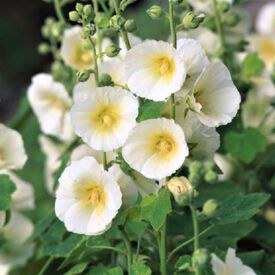
Polar Star Hollyhock (Alcea rosea 'Polarstar') is an elegant, tall perennial known for its large, pure white, single blooms that bring a luminous, refreshing presence to garden landscapes. Part of the "Spotlight Series," this variety combines the traditional charm of hollyhocks with improved vigor and disease resistance, especially against rust. Growing up to 5 to 6 feet tall, Polar Star makes a stunning backdrop in borders or cottage gardens, thriving in full sun and well-drained soil. Its striking white flowers not only provide a beautiful contrast to darker blooms but also attract pollinators like bees and butterflies, enhancing both visual appeal and garden health.
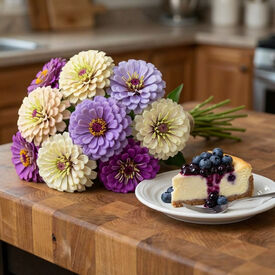
Blueberry Cheesecake mix is composed of white, purple and lavender zinnia varieties. This mixture produces beautiful blooms of semi-double to double flowers on each stem. Zinnias are a perfect choice for any cut flower grower and even attract butterflies to your garden. Large, colorful blooms lend cheer and texture to bouquets and floral arrangements. Spread at 19 lbs per acre or 7 ounces per 1,000 sq.ft.
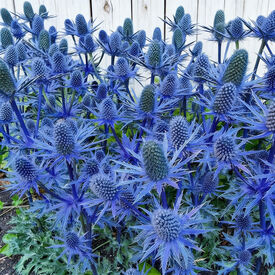
A magnet for bees and butterflies, this standout perennial brings bold color and unforgettable texture to bouquets, borders, and feature beds. Its oversized, metallic-blue blooms shimmer in the sunlight, creating a striking display that catches the eye from across the garden. Tough and dependable, it thrives with minimal care, standing strong through heat and dry spells. Adaptable to a wide range of soils—including sandy ground—this long-lasting beauty delivers season after season with little effort. Blue color of plant may vary depending on soil types.
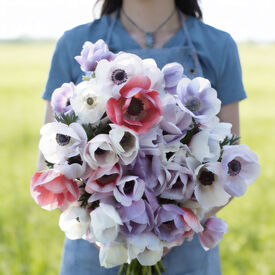
Galilee Pastel Mix Anemones bring a soft, romantic palette of color to the spring garden with an enchanting blend of blush pink, lavender, creamy white, and pastel rose blooms. These florist-favorite flowers produce large, daisy-like blooms with dark centers that create striking contrast and exceptional visual appeal. Blooming over an extended period, Galilee Pastel Mix provides armfuls of long-lasting flowers that are perfect for garden displays, wedding arrangements, and fresh-cut bouquets. Easy to grow and incredibly productive, this elegant collection adds cottage garden charm, graceful beauty, and a touch of sophistication to any landscape.
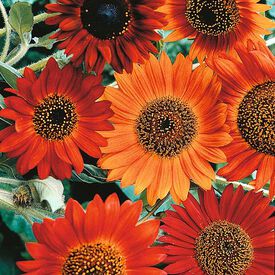
The easy to grow Earthwalker Sunflower adds a beautiful warm pop of burnt orange, coppery brown and rusty red to any garden or bouquet! This sunflower has multiple side branches and can grow up to 6 feet tall. The Earthwalker is a sun-loving annual that is ideal for most soil types. Enjoy the beautiful blooms all summer long and into early fall!

Striking, bi-colored tassels in lime green and raspberry-rose cascade like braided ropes, giving this heirloom amaranth a bold, eye-catching presence. A favorite for direct sowing, it offers both trailing and upright forms that bring movement and texture designers love. Pinch plants at 9 inches to encourage multiple stems and fuller growth. Fast to develop in the heat of summer, its multi-hued blooms make dramatic additions to large bouquets. In the garden, it pairs beautifully with tall, airy companions like cleome, adding depth and visual interest to borders and cutting beds alike.
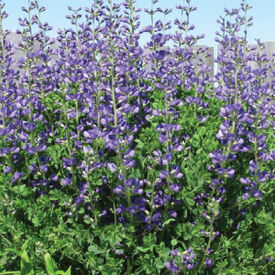
The Blue Indigo Baptisia is the most popular Baptisias around as it provides early deep blue blooms in a beautiful bushy shape. This flower variety produces very attractive deep blue blooms and great bushy foliage that can be enjoyed all summer long. The Blue Indigo can grow up to 4' in height and its branching habit make wide spacing advisable in home landscaping.
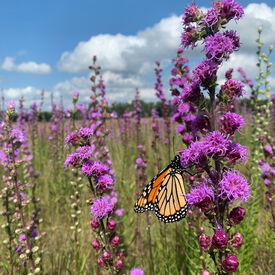
Meadow Blazing Star (Liatris ligulistylis) is a beloved native perennial of the northern U.S. and Canadian prairies, historically thriving in moist meadows and open grasslands and long recognized for its exceptional value to monarch butterflies, which flock to its nectar-rich blooms during migration. It produces tall, airy stems topped with loose spikes of vibrant, feathery purple flowers, each with elongated styles that give the blossoms a delicate, wispy appearance. The plant’s narrow leaves form an attractive upright clump, and its blooms appear later in the season, providing important late-summer nectar. To grow Meadow Blazing Star successfully, plant seeds in full sun and moist, well-drained soil, allowing for natural winter stratification or chilling seeds before sowing; though slow to establish as it builds a deep root system, it becomes a durable, eye-catching pollinator magnet that returns more robustly each year.
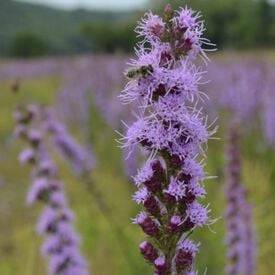
Button Blazing Star (Liatris aspera) is a native wildflower of the central and eastern United States, historically found in dry prairies, savannas, and open woodlands where its tough, deep-rooted nature helped it thrive in harsh conditions. It is known for its thick, sturdy stems topped with rounded, button-like clusters of rosy-purple flowers that open irregularly along the spike, creating a charming, textural look that pollinators—especially bees and butterflies—love. The plant features narrow, lance-shaped leaves that form a basal clump and become smaller up the stem, giving it a clean, upright habit perfect for naturalistic plantings. To grow Button Blazing Star, sow seeds in full sun and well-drained soil, allowing them to undergo natural winter stratification or refrigerate them before planting; once established, it is drought-tolerant, long-lived, and reliably returns each summer with more vibrant blooms.
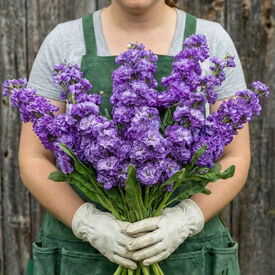
Iron Blue stock offers dependable, florist-grade quality in an early, single-stem (column-type) series bred for uniform, one-cut harvests. True to its name, it produces strong, straight, and rigid stems that hold up well through production and handling. The Iron series has shown excellent performance in spring, early summer, and fall plantings, with the ability to achieve up to 55% double flowers without selection, or fully selectable for doubles. Dense, closely set florets form compact 1½–2 inch blooms in soft blush to rose pink, creating a full, refined look. This variety produces only one flowering stem per plant, and pinching is not recommended, as it will stop flowering.
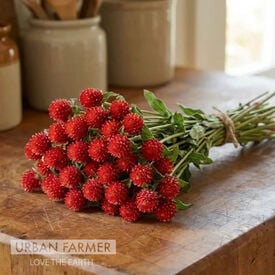
QIS Red Gomphrena ia highly productive accent flower that is excellent for fresh bouquets or dried arrangements. Produces 1-2" blooms in vibrant red color. The QIS (Quality in Seed) Series is a florist favorite for its consistent production in quality, length, and uniformity. Also known as globe amaranth and common globe amaranth.
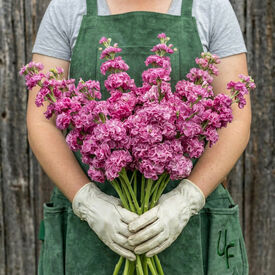
Iron Rose Pink stock offers dependable, florist-grade quality in an early, single-stem (column-type) series bred for uniform, one-cut harvests. True to its name, it produces strong, straight, and rigid stems that hold up well through production and handling. The Iron series has shown excellent performance in spring, early summer, and fall plantings, with the ability to achieve up to 55% double flowers without selection, or fully selectable for doubles. Dense, closely set florets form compact 1½–2 inch blooms in soft blush to rose pink, creating a full, refined look. This variety produces only one flowering stem per plant, and pinching is not recommended, as it will stop flowering.
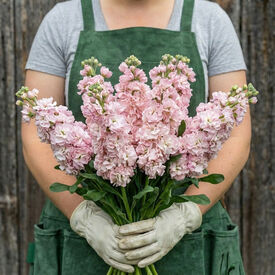
Iron Cherry Blossom stock offers dependable, florist-grade quality in an early, single-stem (column-type) series bred for uniform, one-cut harvests. True to its name, it produces strong, straight, and rigid stems that hold up well through production and handling. The Iron series has shown excellent performance in spring, early summer, and fall plantings, with the ability to achieve up to 55% double flowers without selection, or fully selectable for doubles. Dense, closely set florets form compact 1½–2 inch blooms in soft blush to rose pink, creating a full, refined look. This variety produces only one flowering stem per plant, and pinching is not recommended, as it will stop flowering.

Delicate, feathery plumes in a slightly softer hue than Red Spike offer a refined look for late summer and fall arrangements. This upright amaranth features rich crimson-purple blooms paired with deep purple-red foliage, creating striking contrast and texture in the garden and the vase. A versatile bouquet filler, it performs beautifully both fresh and dried. When young, the tender leaves can also be enjoyed as a nutritious edible green, adding even more value to this classic ornamental—commonly known simply as amaranth.
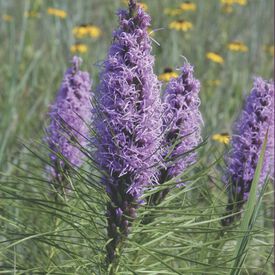
Bottlebrush Blazing Star (Liatris mucronata, though sometimes confused with or grouped alongside Liatris cylindracea in the trade) is a drought-tolerant native of the central and southern U.S., historically found in dry prairies, limestone glades, and open rangelands where its deep roots helped it thrive in harsh, exposed conditions. It earns its name from its showy, bottlebrush-like flower spikes, packed with feathery purple blooms that open from the top downward and draw heavy attention from butterflies, bees, and other pollinators. The plant forms a tidy clump of narrow, grass-like leaves and produces upright stems that remain elegant even in lean, rocky soils. To grow Bottlebrush Blazing Star, sow seeds in full sun with well-drained soil, allowing natural winter stratification—or refrigerating seeds—to ensure good germination; although slow to establish, it becomes a durable, low-maintenance perennial that rewards gardeners with vivid late-summer color and excellent wildlife value.
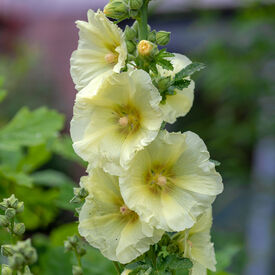
Sunshine Hollyhock (Alcea rosea 'Sunshine') is a cheerful and radiant perennial known for its bright, buttery yellow single blooms that bring warmth and light to garden spaces. As part of the "Spotlight Series," it features sturdy, upright stems that can grow 5 to 6 feet tall, making it an excellent choice for the back of borders, along fences, or in cottage-style gardens. Blooming from mid to late summer, Sunshine Hollyhock thrives in full sun and well-drained soil, and it offers improved resistance to rust compared to older varieties. Its vibrant flowers attract bees, butterflies, and other pollinators, adding both color and ecological value to the landscape.
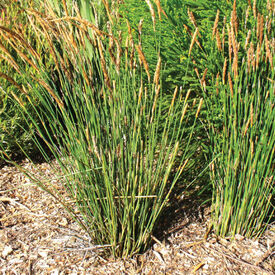
A large reed-like plant with long dark green stems that produce male and female flowers. Flowers are dark brown and can sometimes appear almost black. Individual flowers are almost microscopic and can number anywhere from 50 to over 500 flowers per stem.