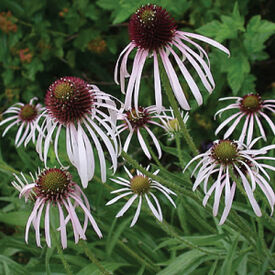
The Pale Purple Echinacea is a coneflower that blooms its pale purple to pink blooms in the early summer before most other flowers! This beautiful coneflower is loved for its nectar by hummingbirds and butterflies and will grow up to 3 feet tall. Try planting this variety with the Purple Coneflower (Echinacea purpurea), which has a deeper purple flower and will bloom just when Pale Purple Coneflower bloom cycle is ending. Planting these two together will give you many, many weeks of beautiful, bright Echinacea blooms.
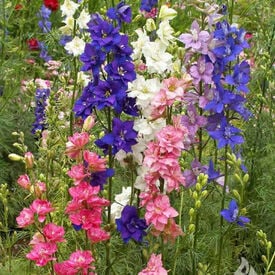
The Imperial Mix Delphinium blooms bushy, brightly colored blooms that makes an excellent cut flower that attracts many beneficial insects. This Mediterranean annual produces spires of pink, blue, lavender, rose and white flowers. This variety can be grown in full sun or partly shaded areas and tends to be a good re-seeder. The Imperial Mix Delphinium is a great cut flower and can be used in the wildlife garden to attract butterflies and hummingbirds.
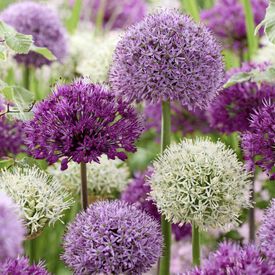
Big, bold, and impossible to miss — these towering blooms are true garden showstoppers. Giant Alliums are one of our favorite spring flowers thanks to their oversized globe-shaped blooms and dramatic presence in the landscape. This Giant Mix features stunning shades of purple and white that bloom from mid to late spring and look especially beautiful when planted in large groupings.
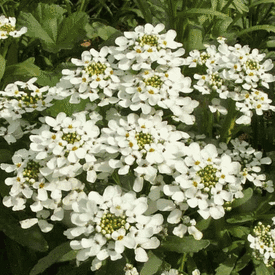
The Empress Rocket Candytuft is a beautiful and uniquely shaped evergreen plant that is covered with pure white flowers that bloom in early spring. This spreading variety grows to be 6" tall. Rocket is a harder to grow perennial that should be started in August for spring blooms.
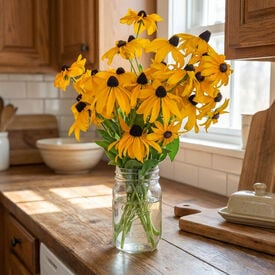
Goldsturm Rudbeckia (Rudbeckia fulgida var. sullivantii ‘Goldsturm’) is an award-winning perennial introduced in the mid-20th century and celebrated for its long-lasting, golden-yellow daisy-like blooms with dark brown centers. Native to North America, this variety grows 24–36 inches tall and 18–24 inches wide, creating bold displays in borders, meadows, and pollinator gardens. Easy to grow from seed, it thrives in full sun and well-drained soil, tolerating heat, drought, and poor soils once established. Seeds can be started indoors 6–8 weeks before the last frost or direct sown in spring, with blooms appearing in the second year and continuing from midsummer to early fall. Low-maintenance and deer-resistant, Goldsturm Rudbeckia is ideal for mass plantings, cut flowers, and attracting bees and butterflies, offering vibrant color and resilience in the landscape.
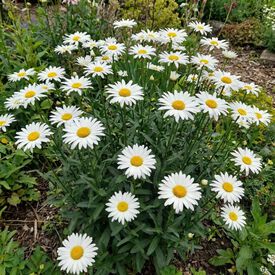
An ideal choice for cut flowers. Shasta Daisy is a favorite for cut flowers due to its strong 2 foot stems. Alaska has the largest flowers of the white, daisy flowered mums. The easy to grow plants are trouble free bloomers from mid to late summer.
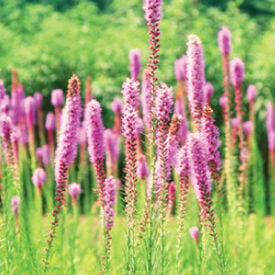
Prairie Blazing Star (Liatris pycnostachya) is a classic North American prairie perennial long valued by Indigenous peoples and early settlers, and today it remains a signature species of tallgrass prairies and restoration plantings. It produces tall, upright spikes crowded with vivid purple, nectar-rich flowers that bloom from the top down, drawing in butterflies, bees, and especially monarchs in late summer. Its narrow, grass-like foliage and sturdy stems create a striking vertical accent in gardens, while its deep-rooted nature provides excellent drought tolerance once established. To grow Prairie Blazing Star successfully, plant seeds in full sun, provide well-drained soil, and allow a natural winter cold stratification or refrigerate seeds before sowing; plants grow slowly at first as they build deep roots but return reliably year after year with increasingly showy blooms.
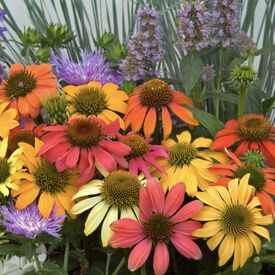
Cheyenne Spirit coneflower, also known as Echinacea 'Cheyenne Spirit,' is a dynamic and resilient perennial that has gained popularity for its striking appearance and adaptability. This variety was developed through selective breeding of native Echinacea species, originating from North American landscapes. Cheyenne Spirit coneflower is renowned for its vibrant and diverse flower colors, which range from fiery reds and oranges to warm yellows and rich purples. Each plant produces large, daisy-like blooms with prominent, spiky centers and gracefully drooping petals. The blooming period extends from mid-summer through early fall, providing a prolonged display of color and attracting a range of pollinators such as bees and butterflies. Typically reaching heights of 18 to 24 inches, Cheyenne Spirit coneflower has a bushy, upright growth habit that makes it suitable for garden beds, borders, and containers. It thrives in well-drained soil and full sun, demonstrating resilience to drought and varying soil conditions. With its vibrant color palette, extended bloom time, and hardy nature, Cheyenne Spirit coneflower is a valuable addition to both ornamental gardens and wildlife-friendly landscapes.
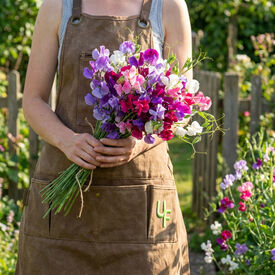
The Sweet Pea Bijou Mix is a wonderful blend of brightly colored purple, pink and white sweet peas that is perfect for window boxes, borders or flower beds. This sweet pea mix is truly a favorite for its beautiful array of blooms!
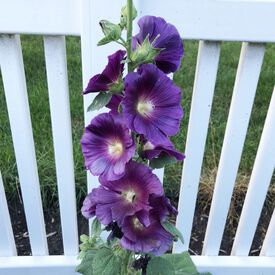
Purple Rain Hollyhock (Alcea rosea 'Purpurkerze', often marketed as 'Purple Rain') is a stunning perennial hollyhock variety known for its tall, stately spikes covered in rich, deep purple single blooms. Reaching heights of 5 to 6 feet, it brings bold vertical interest and dramatic color to cottage gardens, back borders, and sunny fences. This variety thrives in full sun and well-drained soil, with a relatively strong resistance to rust compared to older hollyhock types. Blooming from mid to late summer, Purple Rain attracts bees, butterflies, and other pollinators, making it both a visually striking and ecologically valuable addition to the garden.
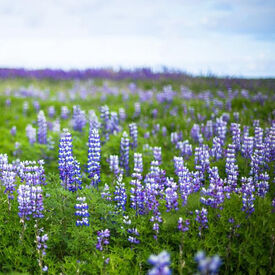
Texas Bluebonnet Lupine seeds are a popular choice for gardeners looking to grow the state flower of Texas, known for its striking blue, pea-like blooms. These seeds thrive in well-drained soil and full sun, and once established, the plants are relatively drought-tolerant, making them well-suited for dry climates. Texas Bluebonnets bloom in early spring, creating stunning fields of blue that are both beautiful and beneficial for local pollinators like bees and butterflies. Though they’re typically grown as annuals, Bluebonnets can self-seed and return year after year, making them a favorite for naturalizing gardens. The seeds can be tricky to germinate at first, as they require cold stratification, but once they sprout, they grow into strong, resilient plants that add a splash of color to any landscape.

Aster oblongifolius, now widely known as Symphyotrichum oblongifolium and commonly called Aromatic Aster, is a hardy native perennial historically found across the central and eastern United States in prairies, rocky slopes, and open woodlands. It is prized for its dense, bushy habit and its late-season display of abundant lavender-purple flowers with bright yellow centers, which provide vital nectar to pollinators when few other plants are in bloom. The foliage releases a pleasant, resinous fragrance when brushed, and the plant’s naturally compact form makes it ideal for borders and native plantings. To grow Aromatic Aster successfully, plant seeds or transplants in full sun and well-drained soil; once established, it is drought-tolerant, low-maintenance, and reliably forms a vibrant, mound-shaped display each autumn.
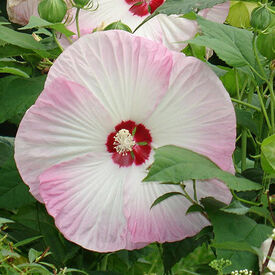
A tropical appearance bloom that can thrive in cooler locations (zone 5 and above). Produces beautifully stunning white and crimson flowers. Hibiscus moscheutos plants prefer wet areas in the wild, but can also be grown in a well-watered garden.
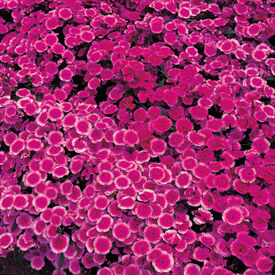
Purple Picotee Diamond offers superb garden performance in spring and autumn with its high uniformity in plant habit. Produces beautiful purple petals with light tips that bloom for an extended time. The Diamond is an early series, blooming simultaneously on main and lateral stems with flower size of 1.5 inches in diameter. Ht. 6-10". Avg. 32,500 seeds/oz. Packet: 50 seeds.
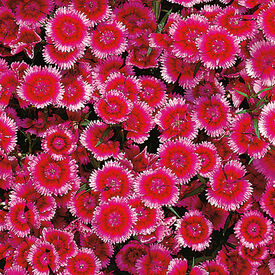
Crimson Picotee Diamond offers superb garden performance in spring and autumn with its high uniformity in plant habit. Produces beautiful crimson petals with white tips that bloom for an extended time. The Diamond is an early series, blooming simultaneously on main and lateral stems with flower size of 1.5 inches in diameter. Ht. 6-10". Avg. 32,500 seeds/oz. Packet: 50 seeds.
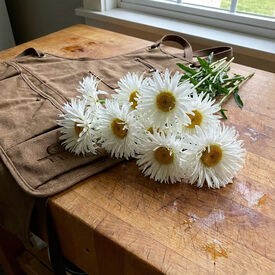
Crazy Daisy is a classic daisy for cut flowers and sunny beds. This variety is one of the most popular perennial flowers around. Sow in February for a summer and fall bloom. Crazy is ideal for borders and even containers.
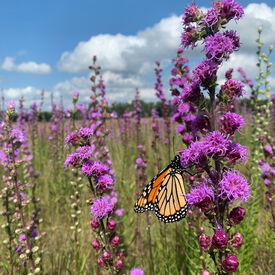
Meadow Blazing Star (Liatris ligulistylis) is a beloved native perennial of the northern U.S. and Canadian prairies, historically thriving in moist meadows and open grasslands and long recognized for its exceptional value to monarch butterflies, which flock to its nectar-rich blooms during migration. It produces tall, airy stems topped with loose spikes of vibrant, feathery purple flowers, each with elongated styles that give the blossoms a delicate, wispy appearance. The plant’s narrow leaves form an attractive upright clump, and its blooms appear later in the season, providing important late-summer nectar. To grow Meadow Blazing Star successfully, plant seeds in full sun and moist, well-drained soil, allowing for natural winter stratification or chilling seeds before sowing; though slow to establish as it builds a deep root system, it becomes a durable, eye-catching pollinator magnet that returns more robustly each year.
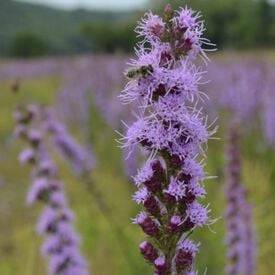
Button Blazing Star (Liatris aspera) is a native wildflower of the central and eastern United States, historically found in dry prairies, savannas, and open woodlands where its tough, deep-rooted nature helped it thrive in harsh conditions. It is known for its thick, sturdy stems topped with rounded, button-like clusters of rosy-purple flowers that open irregularly along the spike, creating a charming, textural look that pollinators—especially bees and butterflies—love. The plant features narrow, lance-shaped leaves that form a basal clump and become smaller up the stem, giving it a clean, upright habit perfect for naturalistic plantings. To grow Button Blazing Star, sow seeds in full sun and well-drained soil, allowing them to undergo natural winter stratification or refrigerate them before planting; once established, it is drought-tolerant, long-lived, and reliably returns each summer with more vibrant blooms.