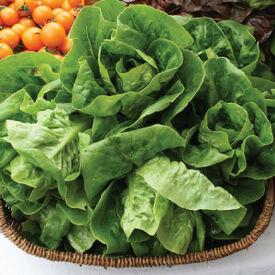
Little Gem lettuce is a small, compact variety that belongs to the Romaine family. Known for its tender, crisp leaves and sweet, mild flavor, it has become a favorite in both casual and fine dining. The heads are typically about the size of a fist, with tightly packed, bright green leaves that are both crunchy and delicate. Its flavor is a perfect balance between the slightly bitter taste of Romaine and the mild sweetness of Butterhead lettuce. Little Gem is often used in salads, sandwiches, or as a base for grilling, where its natural sweetness intensifies. Its small size also makes it an ideal choice for individual servings or garnishes. Rich in vitamins A, C, and K, it’s not only flavorful but also nutritious. Little Gem's heads are about 4 inches across and are prime eating from 4-6 inches tall. The plants can be spaced 6 1/2 by 6 1/2 inches for maximum yields. Growing Little Gem lettuce is relatively easy and well-suited to home gardeners, thriving in cool, temperate climates. This compact variety of lettuce prefers full sun but can tolerate partial shade, especially in hotter weather. It grows best in well-drained, fertile soil with a slightly acidic to neutral pH. To plant, sow seeds directly into the soil in early spring or late summer, spacing them about 6-8 inches apart to allow for proper air circulation and growth. Little Gem lettuce thrives with regular watering, but it’s important to avoid waterlogging, as this can lead to root rot. As it matures, the small heads form tight, crisp rosettes. Harvesting can begin in around 30-45 days, typically when the heads are firm but still small. For continuous harvest, sow new seeds every couple of weeks. Little Gem lettuce is also ideal for container gardening due to its compact size, making it a great choice for small spaces or urban gardens.
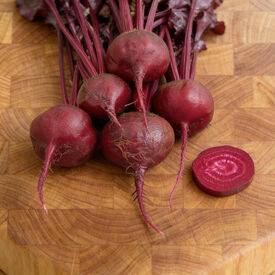
Bull's Blood beet, scientifically known as Beta vulgaris, is a striking and versatile variety of beetroot that has gained popularity for its unique characteristics. This heirloom variety has a fascinating history, dating back centuries to Europe, where it was initially cultivated for its edible leaves rather than the root. Its name, "Bull's Blood," is derived from the deep burgundy-red color of its leaves, which resemble the color of ox blood. Over time, its sweet and earthy flavor profile has made it a favorite among chefs and home gardeners alike. In terms of appearance, Bull's Blood beets typically grow to a medium size, roughly 2-3 inches in diameter, and have a round to slightly flattened shape. The seeds of this variety are easy to come by and can be sown directly in the garden or started indoors. Bull's Blood beets are relatively quick to mature, taking about 50-60 days from seed to harvest. The leaves are a deep red, while the root itself is a dark purplish-red, making it visually appealing on the plate. Bull's Blood beets exhibit some resistance to common beet diseases like Cercospora leaf spot and Downy Mildew, although specific resistance levels may vary depending on growing conditions. When properly cared for, they can yield a plentiful harvest. To ensure optimal growth, it's recommended to space the beet plants about 2-4 inches apart in well-drained soil with full sun exposure. Adequate moisture and consistent watering are essential for healthy growth. Whether you're looking to add a pop of color to your garden or enhance your culinary creations, Bull's Blood beets are a delightful choice with a rich history and vibrant character.
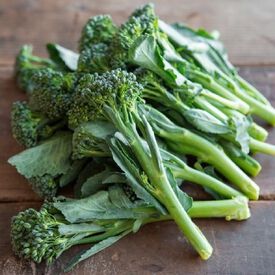
De Cicco broccoli, known for its exceptional taste, is a popular heirloom variety of broccoli (Brassica oleracea) that hails from Italy. This Italian heirloom has been cultivated for generations, making it a favorite among gardeners and chefs alike. De Cicco broccoli is classified as a compact, semi-dwarf type of broccoli, and it is highly prized for its versatility in the kitchen and its relatively quick maturity. De Cicco broccoli boasts a mild, slightly sweet flavor with a hint of nuttiness. Its tender, dark green florets are surrounded by a profusion of lush leaves. The compact plant typically reaches a height of 18-24 inches, making it suitable for smaller gardens or container growing. De Cicco is known for its relatively short days to maturity, typically taking around 48-65 days from seed sowing to harvest. This broccoli variety is characterized by its vibrant, dark green color, which is indicative of its high nutrient content. De Cicco broccoli exhibits strong disease resistance, particularly against common broccoli ailments like downy mildew and clubroot, which can be a relief for growers. When properly cared for, De Cicco broccoli can yield a bountiful harvest of small to medium-sized heads, often producing side shoots after the main head is harvested. For optimal growth, it's recommended to sow De Cicco broccoli seeds in well-drained soil with full sun exposure. Plant the seeds 1/4 to 1/2 inch deep, spacing them about 18-24 inches apart to provide enough room for the plants to mature and thrive. Additionally, consistent watering and adequate fertilization can help ensure a successful De Cicco broccoli crop.
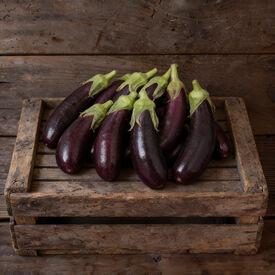
The Little Finger eggplants are slender, petite eggplants that are excellent for grilling and cooking. This eggplant has a dark purple skin is thin and tender with a silky flesh. This variety produces few seeds and a mildly sweet flavor. Harvest when the eggplant is young and glossy. Little Finger is a great variety for container growing and requires very little cooking time since it is so tender.
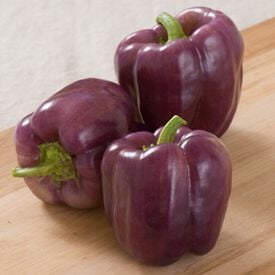
The Islander Pepper is known as the chameleon as it is beautiful pepper to watch its colorful display! This color-crazy pepper starts out as a violet hue, then turns to a yellow/orange and then finally deep red! This variety can be picked at any of these stages to provide awesome color to salads and meals. The Islander is a thick-fleshed, medium-sized bell pepper with 3-lobes that have a mild, slightly sweet taste. This colorful pepper also has a resistance to tobacco mosaic virus.
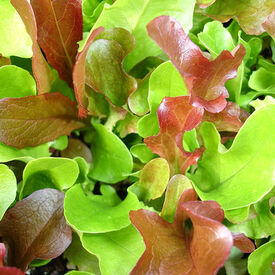
The Garden Mesclun Blend is a mixture of light green to emerald, and bronze to deep red lettuces as well as endive and radicchio for a crunchy, zesty flavor that is a perfect addition to any salad!
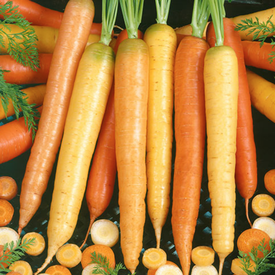
The Culinary Blend contains a tasty mix of yellow, white, and orange carrots. Each variety is suited for both baby root production and cooking. This blend is excellent roasted in the oven. All three varieties are prized for flavor and color.

The Connecticut Field pumpkin is a historic heirloom variety dating back to the 1700s, traditionally grown by Native Americans and among the earliest cultivated pumpkins in the United States. It produces large, round, bright orange fruits with shallow ribbing, typically weighing 15–25 pounds. Well-suited for gardens across much of North America, it thrives in full sun, well-drained soil, and requires ample space for its long vines to spread. With a maturity time of about 100–110 days, this variety benefits from consistent watering and mulching to retain soil moisture and suppress weeds. Connecticut Field pumpkins are widely used for carving, seasonal decoration, and in cooking—especially for pies and purees—thanks to their classic shape and flavorful flesh.
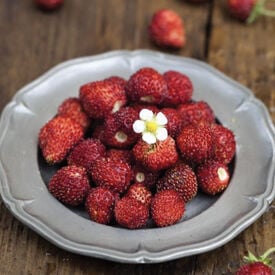
Fragaria vesca var. semperflorens ‘Improved Rügen’ is a refined strain of the classic Alpine strawberry, originally developed in Europe and prized for its reliability and extended production season. Unlike typical woodland strawberries that fruit once, ‘Improved Rügen’ is everbearing, producing a steady crop of small, conical red berries from late spring through fall. The fruit is exceptionally fragrant and sweet, with an intense wild-strawberry flavor that is richer and more complex than commercial varieties. Plants stay compact and runner-less, forming neat clumps covered in white blooms and abundant berries, making them ideal for borders, containers, and gourmet gardens where taste and ornamental appeal matter. Other names include Alpine Strawberry, Fraise du Bois, Baron Solemacher Strain
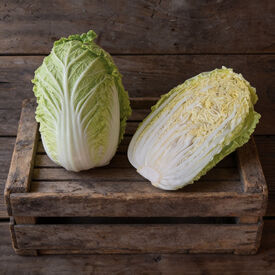
Michihili cabbage is great for those who love stir-fry or pickling cabbage. A tight-head type with well blanched, crisp and tender interior. Michihili produces a cylindrical, leafy head. A high yielding cabbage with excellent flavor. Chinese cabbage nutrients include vitamins A and C.
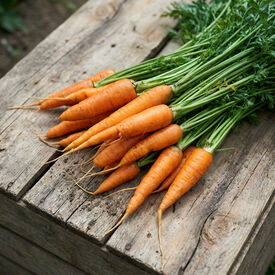
Little Finger carrot seeds grow into a petite, gourmet variety that originated in France and has been cherished since the mid-20th century for its tender, sweet flavor and snackable size. This Nantes-type carrot matures quickly in just 55–65 days, producing smooth, cylindrical roots about 3–4 inches long, making it perfect for small gardens and container growing. Its bright orange flesh is crisp, juicy, and sugary, often eaten fresh right from the garden, but also excellent for steaming, roasting, or pickling. Known as a child-friendly carrot because of its size and sweetness, Little Finger is ideal for fresh snacking, lunchboxes, and gourmet dishes, while also storing well for extended use.
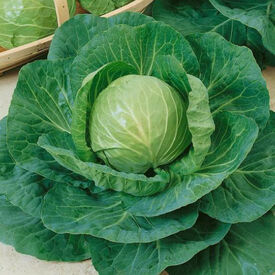
The Green express is a bright green mini cabbage with excellent flavor! This favorite is now available as organic. The early maturing cabbage has a mild flavor and crisp texture that can't be beat. The Green Express can be sown directly in Fall gardens or transplanted in Spring.