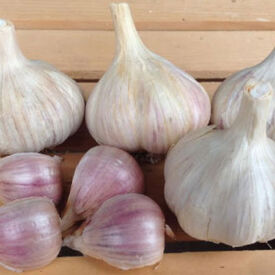
Romanian Red garlic produces 4 to 5 large cloves per bulb. This variety's bulbs are a beautiful cream white with shades of purple skins. Once harvested, these whole bulbs will store for months. Romanian Red produces a delicious flavor that is pungent and long-lasting.
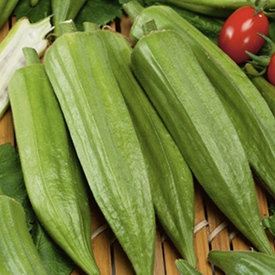
Organic - The Star of David is an Israeli okra variety with grooves, making it resemble a "star." This okra's unbranched stalks grow 8-10 ft. and produce 7" long pods with medium spines if left to mature. Star of David is a bright green okra with purple coloration on top of leaf petioles and major leaf veins. This variety is best picked when small and will keep well. Conventional seed available.
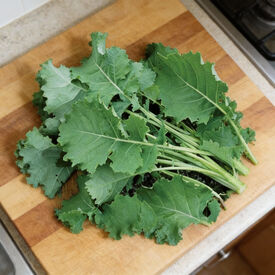
The Premier Kale, or also known as Early Hanover, is a high yielding kale with delicious and nutritious green leaves. This kale is early maturing that produces high amounts of smooth, dark green leaves. Plant Premier in the fall so that it produces higher yields and resists bolting 4 weeks longer. This kale's taste is a favorite and is extremely high in antioxidants and beta carotene!
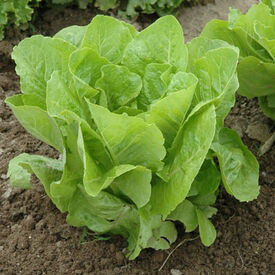
The Jericho Lettuce is known for its great baby leaf production and is very tolerant to hot weather. This lettuce is a blonde romaine that can be grown for both baby leaf and full-size heads. This lettuce variety is very attractive with its bright light-green leaves. Jericho is tolerant to both heat and tipburn. Certified Organic. Learn more about our organic seeds.
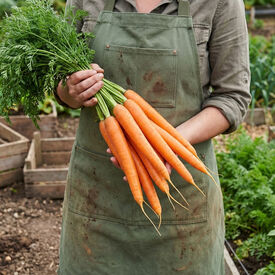
The Imperator 58 is a Danver carrot that is a garden staple! This carrot variety grows to 9" long and 1 1/2" wide. It has a very sweet and tender flavor. This carrot has smooth, large, fine-grained, long, tapered roots. Imperator 58 carrot performs best in loose, friable soils.
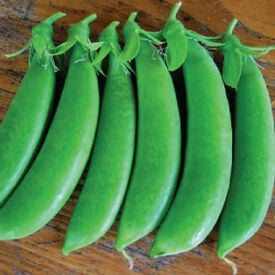
The Sugar Snap Pea is a garden staple pea that has unmatchable taste! This variety has tall vines that with support can grow up to 6 feet plus! The Sugar Snap Pea plant produces 3" long pods that are a 1/2" across, and bear over a long picking period. This is pea is so tasty that people will eat it directly after picking! Sugar Snap yields well in both hot and cold weather.
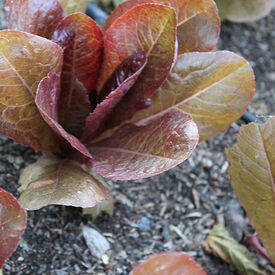
The Merveille Four Seasons is a French Bibb lettuce type that produces rich deep reddish leaves with bright cranberry red tips. This 12-16 inches lettuce has a wonderful butter taste and will hold its flavor in hot weather. The rich red leaves surround a small, 8-12 inches pale green, tight heart. Enjoy the Merveille Four Seasons chopped up in a salad for fresh flavor and a pop of beautiful color.
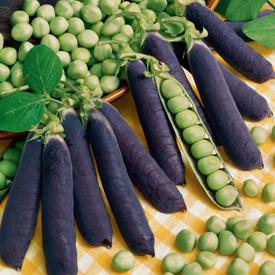
The Blue Shelling Pea is a Dutch heirloom blue podded pea that has been highly regarded for hundreds of years. This very versatile variety can be picked young and eaten raw as a colorful snow pea pod or left to swell and harvested as a plump pea for cooking. This pea plant produces lovely purple flowers with a faint scent that are also edible and delicious! Traditionally used as a winter dish, Blue Shelling would be soaked overnight and then pan fried with onions and bacon - yum! Give this 6' plant some support.
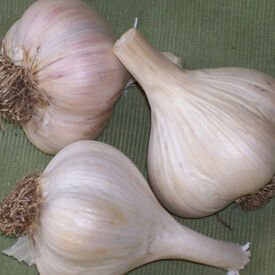
Georgian Crystal garlic has a rich flavor and mild heat for a Porcelain hardneck. When slow roasted this variety, it has an amazing buttery flavor that melts in your mouth! This garlic grows well throughout the USA, but even better in areas with hot summers. Averages 4-5 cloves per bulb.
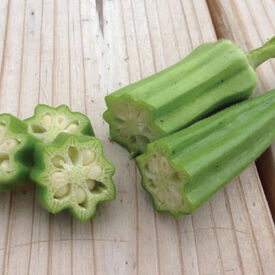
Cow Horn Okra is one of the best flavored okras around that is great for pickling or gumbo! This variety produces larger pods than most okra and should be harvested young and tender. The best time to harvest Cow Horn is at 6," but it can remain spineless, crunchy and tender up to 10" long. This old heirloom okra dates all the way back to the early 1900's. The twisted shape of this variety somewhat resembles the horns of a cow, getting its name, Cow Horn. Use shorter more tender pods for pickling or longer pods for tasty gumbo! The flowers on Cow Horn will start to appear within 45 days with okra pods soon to follow.
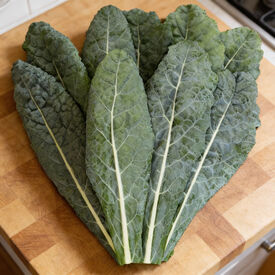
The Lacinato Kale is an old Italian heirloom kale that has very large tender leaves. This favorite is now available in organic seeds! The Lacinato, or also known as Dinosaur kale, Black Magic or Toscano, is popular for home gardening and fresh markets. Its scaly, bumpy leaves are large dark blue-green and very delicious. Pick young for the most tender leaves. The Lacinato produces high yields and can be harvested continually. Certified Organic. Learn more about our organic seeds.
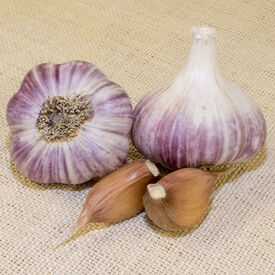
Russian Red garlic has big bulbs that have a slightly purple skin that wraps the bulbs and cloves. This variety is a great garlic to grow for soil conditions that are slightly damp. Russian Red is one of the most flavorful heirloom garlics we offer. Approximately 6-9 cloves/ bulb. Approximately 45-60 garlic cloves/ pound.