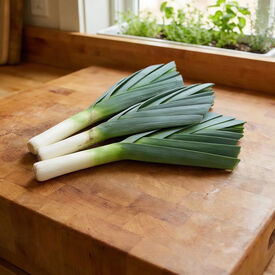
The Large American Flag leek is a non-bulbing leek variety that forms creamy stalks. This leek'15-18" inch stalks are 3" inches wide and are yummy! The Large American is widely adapted and the sweetest member of the onion family.
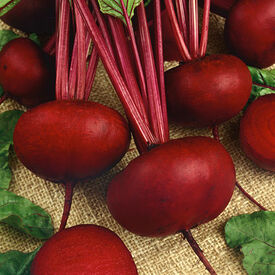
The Crosby Egyptian beet is a standard early bunching beet for table or market, a favorite that is now also available in organic seeds. The flattened heart-shaped roots and dark-red flesh of this beet is equally appetizing as it is beautiful. The Crosby Egyptian is also the largest early variety beet and will keep its shape until fall. Enjoy both the roots and the tops chopped up in a salad! Certified Organic. Learn more about our organic seeds.
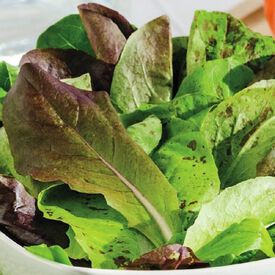
The Romaine Trio Blend is a mixture of three of our specialty romaine lettuces. This tri-colored blend is very popular for not only its beautiful color variation and vigorous growth, but also for its delicious taste.
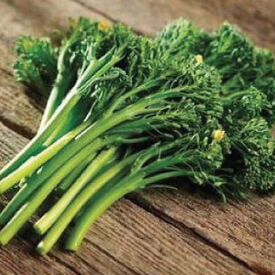
Aspabroc broccoli seeds grow into a unique hybrid vegetable developed in the early 1990s by crossing standard broccoli with a Chinese kale-gai lan variety, resulting in what’s often called “broccolini.” This plant produces slender, tender stems topped with small, loose florets that resemble asparagus in shape, hence the name. Aspabroc is prized for its sweet, mild flavor with subtle peppery notes, making it delicious whether steamed, sautéed, stir-fried, or grilled. It thrives in cool-season conditions, preferring full sun and fertile, well-drained soil, with harvests ready in about 50–60 days after transplanting. Known for its extended harvest period, plants continue producing side shoots after the main head is cut, giving gardeners a steady supply. Its unique history, high nutritional value, and gourmet quality make Aspabroc a popular choice for home growers and chefs alike.
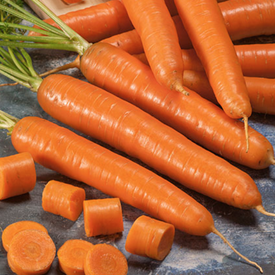
The Bambino carrot is a super sweet baby gourmet carrot. The color develops quickly and can pull early. This carrot produces 4 in. cylindrical blunt roots, very small core, smooth skin, a deep orange color and small dwarf tops. The Bambino was developed for canning & pickling whole and must be harvested early.
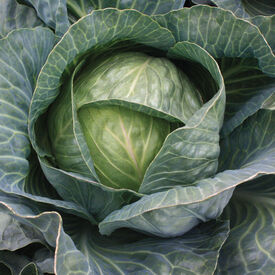
Storage #4 is a great producer of dark green color cabbage that have excellent storage life. This versatile variety also works great in the late fall for fresh market, especially in muddy and rainy conditions. Due to its earliness when used for storage, we recommend later season plantings for best storage results.
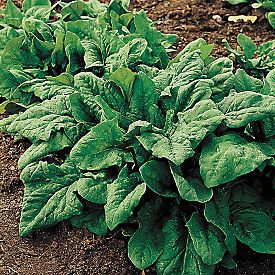
The super sweet Renegade Spinach is simply the best all-around Spinach! This very adaptable spinach variety is early maturing with heavy yields and is easy to grow. Its dark green, rounded leaves are resistant to mildew and arise profusely on compact plants. Renegade is perfect for beginning gardeners and those that have been let down by other varieties!
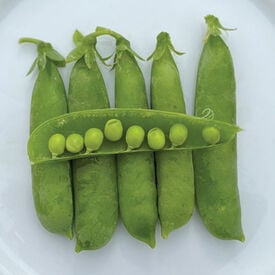
The Little Marvel Pea is a well known old time home garden favorite, that is really a marvel! This pea is an excellent choice selected for its high yield potential and excellent sweet flavor making it the most satisfactory pea in the home garden. This variety's plants are very productive and compact and will grow up to 30" tall. Little Marvel produces small bright green pods with luscious, sugary peas that stay tender and sweet even when fully ripe!
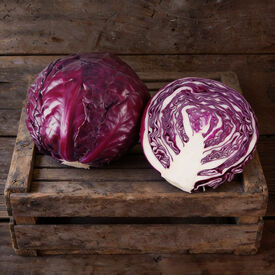
Red Acre cabbage is simply the best early maturing red cabbage! Red Acre is a fantastic cabbage that produces reddish-purple heads. Each cabbage head grows to 7 inches in diameter and weighs about 3 pounds. Red Acre is resistant to cabbage yellowing and is great for home gardens that have little space. Red Acre cabbage stores better than just about any other early cabbage variety. Great raw or for coleslaw use.
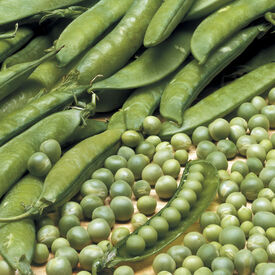
The Lincoln Pea is an extra tender variety with a sweet flavor and high yields. This pea variety was introduced just after World War II during the peace time. Lincoln quickly became a popular home garden variety due to its versatility, as it can be eaten fresh, froze or canned. Its pods can reach 4-5" in length and are full of 6-9 sweet, tender peas. Lincoln does well in heat and should have a small pea fence or some sort of support or its vines.
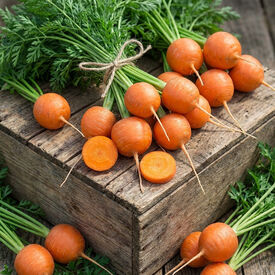
The Parisian carrot is a little round carrot that is a nineteenth-century French heirloom! this carrot variety is an early orange-red carrot that grows almost more like the shape of a large radish. Excels in clay or rocky soil where other carrots have problems developing properly. Its flavor is legendary and is highly sought after by gourmet restaurants.
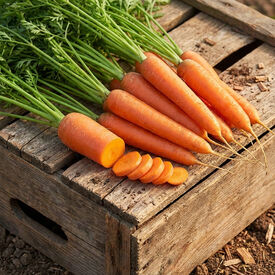
Often called Early Coreless, this heirloom carrot is prized for its excellent storage ability and wide adaptability in the garden. It produces smooth, cylindrical roots about 7 inches long with rounded ends and vibrant red-orange flesh that is fine-textured and nearly free of a core. The flavor is notably sweet, crisp, and clean, making it enjoyable fresh or cooked. Harvested young, it works beautifully as a baby carrot, and it also performs exceptionally well for freezing and juicing. With origins dating back to the 1850s, this classic variety was developed in France by the renowned seed firm Vilmorin-Andrieux and remains a favorite for its quality and reliability.