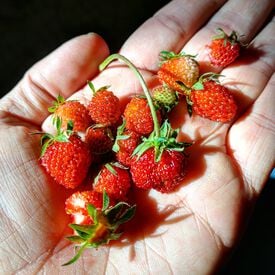
Fragaria virginiana, commonly known as the Virginia or Wild Strawberry, is a native North American species that played a key role in the history of cultivated strawberries, having been crossed with the Chilean strawberry (F. chiloensis) in the 18th century to produce the modern garden strawberry. These plants spread by runners and form low mats, producing small, deep red berries that are celebrated for their intense sweetness and concentrated, classic strawberry aroma. While smaller than commercial varieties, the fruit packs a rich, complex flavor that many describe as more “wild” and satisfying. Adaptable and resilient, F. virginiana thrives in fields, forest edges, and meadows, with attractive trifoliate leaves, delicate white flowers, and a long tradition of use by both wildlife and people.
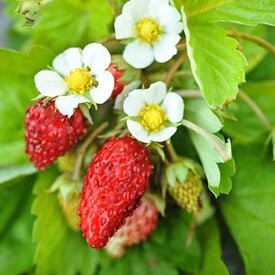
Fragaria vesca var. semperflorens ‘Golden Alexandria’ is a striking Alpine strawberry selection descended from long-cultivated European woodland forms, known for its unique chartreuse-to-golden foliage that adds ornamental flair to gardens. Unlike traditional runnering strawberries, it forms compact clumps that continuously fruit from late spring into fall, producing numerous small, bright red berries. The flavor is intensely sweet and aromatic, carrying the rich wild-strawberry taste that Alpine types are famous for, making them popular with gourmet growers. Its colorful leaves provide season-long visual interest, while the fragrant berries offer a delicious contrast, making ‘Golden Alexandria’ both decorative and highly flavorful.
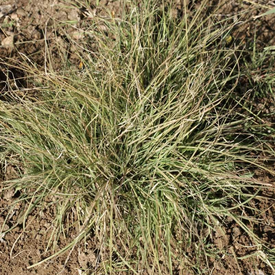
The Buffalo Grass is a warm-season grass that is the predominant component of the shortgrass prairies of the Great Plains. Once established, it is extremely drought tolerant and tough. It can be used as a xeriscape lawn grass for water conservation, and it is a common component in range mixtures. White Tailed Deer, Bison and Prairie Dogs utilize it for forage, and it is a larval host for the Green Skipper. Plants are stoloniferous and can invade flower beds if an edging or barrier is not used.
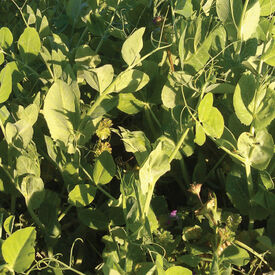
The Secada Forage Pea is a relatively new forage pea that has a wide range of uses such as forage, green manure, weed suppression and more! This forage pea is highly palatable, self-climbing and with high dry matter yields. A fast growing, cool-season annual legume, the Secada Forage Pea performs very well during the fall, winter and spring in Southern states. In more northern climes, an early spring plant will give high dry matter yields of excellent forage. Uses: Chicken Forage, Deer Attractant, Forage, Green Manure, Nitrogen Fixation, No Till, Organic Matter (Biomass), Weed Suppression
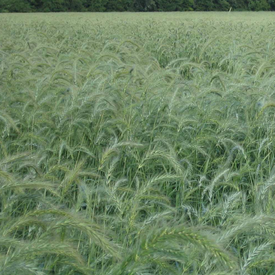
The Canada Wildrye is a cool-season bunchgrass grain variety that can be found throughout Canada and the U.S. except in the southeastern states. It is typically found in prairies, open woods, fields and disturbed sites. This grain tends to be short-lived but provides quick stabilization for erosion control seedings, and it makes a good, early successional component of prairie mixtures. The Canada Wildrye provides quality forage for livestock and wildlife.
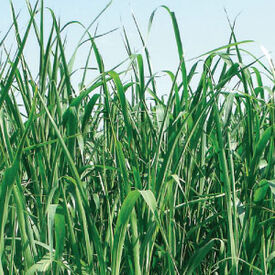
The Piper Sudangrass is a great catch crop for excess nitrogen that produces heavy amounts of organic matter and suppresses weeds. This grass grows quickly at heights up to 7 feet. The Piper Sudangrass is great for livestock forage, but should be grazed only when mature and never after a frost as it turns toxic. Uses: Erosion Control, Green Manure, Nitrogen Scavenger, No Till, Organic Matter (Biomass), Weed Suppression
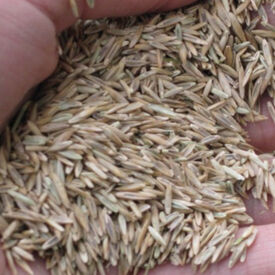
The Frontier Grazer Rye is a grain that makes a great cover crop to prevent erosion and build up organic matter in the soil! Plant this variety early to late fall; in mild climates fall through early spring. The best choice for fast, cool-season germination. The Frontier Grazer Rye captures soil nutrients in the fall to release in spring when worked into the soil. Uses: Erosion Control, Green Manure, Nitrogen Scavenger, No Till, Organic Matter (Biomass), Weed Suppression<
How to Plant:Till ground before planting. Then firm ground to make flat. Use a seed broadcaster to spread seed evenly over the ground. Next flatten ground again to secure seeds into soil.How to Plant:Till ground before planting. Then firm ground to make flat. Use a seed broadcaster to spread seed evenly over the ground. Next flatten ground again to secure seeds into soil.Seeding Rates:Sowing SeasonSeeding DepthSeeding Rate (1,000 Sq. Ft.)Seeding Rate (1 Acre)AmaranthSpring & Summer1/4 - 1/2"1 lb.15-25 lbs.BarleySpring & Summer3/4 - 2"2 lbs.75-125 lbs.BuckwheatSpring & Summer1/2 - 1 1/2"2-3 lbs.50-100 lbs.MilletSummer1/2 - 1"1/4 lb.6-10 lbs.OatsSpring & Summer1/2 - 1 1/2"4 lbs.100-150 lbs.Rye, WinterAnytime3/4 - 2"4 lbs.75-125 lbs.RyegrassAnytime0 - 1/2"1 lb.25-50 lbs.SudangrassSpring & Summer1/4 - 1/2"1-2 lbs.35-65 lbs.WheatSpring1/2 - 1 1/2"4 lbs75-150 lbs.Sowing SeasonSeeding DepthSeeding Rate (1,000 Sq. Ft.)Seeding Rate (1 Acre)AmaranthSpring & Summer1/4 - 1/2"1 lb.15-25 lbs.BarleySpring & Summer3/4 - 2"2 lbs.75-125 lbs.BuckwheatSpring & Summer1/2 - 1 1/2"2-3 lbs.50-100 lbs.MilletSummer1/2 - 1"1/4 lb.6-10 lbs.OatsSpring & Summer1/2 - 1 1/2"4 lbs.100-150 lbs.Rye, WinterAnytime3/4 - 2"4 lbs.75-125 lbs.RyegrassAnytime0 - 1/2"1 lb.25-50 lbs.SudangrassSpring & Summer1/4 - 1/2"1-2 lbs.35-65 lbs.WheatSpring1/2 - 1 1/2"4 lbs75-150 lbs.Cover Crop Calculator:Calculate the amount of cover crop neededCover Crop Calculator:Calculate the amount of cover crop needed1 Acre = 43,560 square feet, or 435'x100'Weight Conversion:1 Pound = 16 Ounces
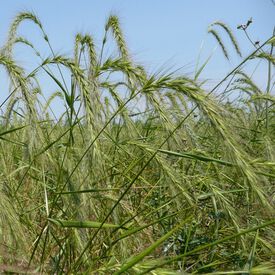
The Mandan Wildrye Grass is a fast growing, cool-season, perennial bunch-grass that is a great choice for erosion control. It can be planted early or late fall, but for best results, Mandan Wildrye should be planted in the spring. This hardy grass performs well on most soil types. The Mandan Wildrye produces and brown seed head and can grow up to 4 feet! Uses: Erosion Control, Forage, Green Manure, Nitrogen Scavenger, No Till, Organic Matter (Biomass), Weed suppression
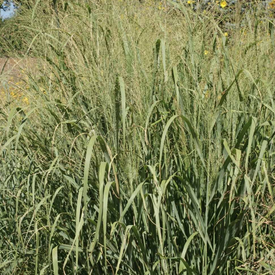
Switchgrass is a rhizomatous, warm-season bunchgrass that is native throughout most of the U.S. It is a major component of the Tallgrass Prairie ecosystem. Alamo originates from Live Oak County, Texas. It is late maturing and was developed as a renewable biofuel resource for the southern U.S. Recommended for pasture mixes, erosion control and soil stabilization. It also provides good nesting habitat, cover and food for many different types of wildlife.
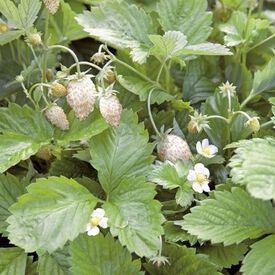
'White Solemacher' (Also known as Weiss Solemacher) is a white fruiting alpine strawberry cultivar that has been around for many years. It was discovered in Germany. The fruit is among the largest white fruit produced by alpines. It is a clumping type (few to no runners) and is day neutral which means it is not dependent on day length for flowering. The white fruit has the distinctive wild strawberry flavor and aroma expected from fraises des bois. The fruit has a hint of pineapple flavor typical of white alpine fruit. We like it that birds don't seem to know the fruit is ripe and so it Fools the Birds and a part of the collection by that name.
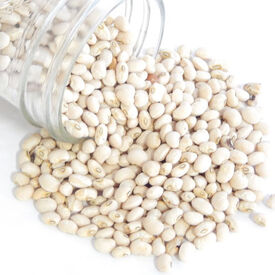
The Texas Cream is a heavy yielding Southern cowpea that is great for fresh shelling. This variety is very similarly to 'Sadandy' but the cowpeas are slightly larger. These bush-type plants are prolific and thrive in hotter, Southern weather. Texas Cream is a "cream pea" type variety, they are generally used at the fresh shelling stage. Treated Seed.
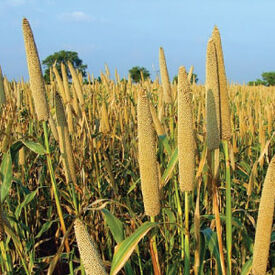
The Pearl Millet is a very tall grass that can reach to be 15 feet tall that is used as a multiple cut forage grass and green manure. This grass is high in protein, digestible and free of prussic acid. The Pearl Millet is perfect used for hay, pasture and silage for feeding cattle, horses, goats and other livestock. The Pearl Millet is also a very good green manure that is well adapted to low soil moisture, low fertility and high temperatures. Uses: Erosion Control, Green Manure, Nitrogen Scavenger, No Till, Organic Matter (Biomass), Weed Suppression
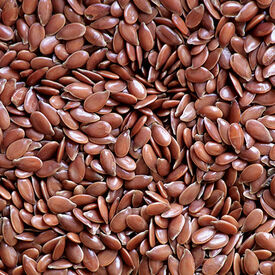
The Common Flax is a cool season annual broadleaf with small taproots and very small, narrow leaves that are less than an inch long. This variety's stems are branched near the base of the plant, with plants reaching 30 to 36 inches in height. The multiple stems or branches of a flax plant are slender and flexible, bearing attractive blue flowers. Flax has the same performance benefits of other grasses and grains, of quick germination and a highly fibrous root mass. Flax will take up excess N and other minerals, will winter kill and provide moderate to high amounts of organic matter back to the soil. Flax provides excellent mulch for protection of erosion and improving water permeation during the winter and spring. Flax (Linum usitatissimum): Cool season, broadleaf, Annual, Upright plant habit Uses: Bees & Beneficial Insects, Chicken Forage, Erosion Control, Green Manure, Nitrogen Savenger, No Till, Organic Matter (Biomass)
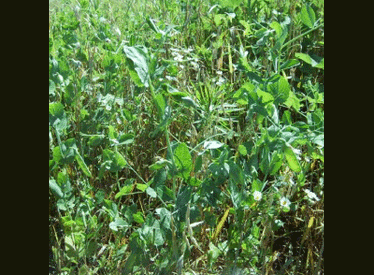
The Packer Forage Pea, or Canadian field pea, is a cool-season legume that is used for cover crops, wildlife and winter grazing! This annual legume has good nitrogen-fixing capabilities. The Packer Forage Pea is a low-growing, viny legume which has been shown to fix over 200 pounds of nitrogen per acre per year. Uses: Chicken Forage, Deer Attractant, Forage, Green Manure, Nitrogen Fixation, No Till, Organic Matter (Biomass), Weed Suppression
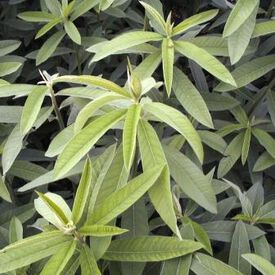
The Sunn Hemp is a legume that makes an excellent cover crop as it is great for nitrogen fixation and nematode resistance in the soil. This legume is a fast-growing legume that produces significant quantities of biomass and fixes nitrogen into the soil with a short rotation of 60 days under optimum conditions. Plant the Sunn Hemp at least 8 weeks before first frost. For maximum benefit terminate crop at first flowering, prior to developing fibrous, hard-to-manage stalks. This legume is tolerant of dry conditions. Avg. 15,000 seeds/lb. Uses: Compaction Control, Erosion Control, Green Manure, Nitrogen Fixation, Organic Matter (Biomass), Weed Suppression
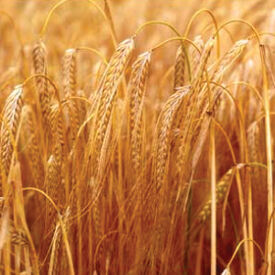
The Thoroughbred Barley is a widely adapted variety of barley that is high yielding, with a great straw strength and a high test weight. This grain is a good standing six-rowed barley. This variety is resistant to powdery mildew and barley yellow dwarf virus. Uses: Bees & Beneficial Insects, Erosion Control, Green Manure, Nitrogen Scavenger, No Till, Organic Matter (Biomass), Weed Suppression
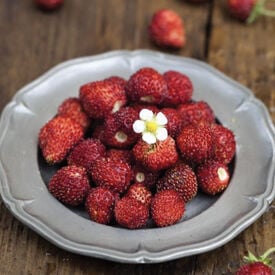
Fragaria vesca var. semperflorens ‘Improved Rügen’ is a refined strain of the classic Alpine strawberry, originally developed in Europe and prized for its reliability and extended production season. Unlike typical woodland strawberries that fruit once, ‘Improved Rügen’ is everbearing, producing a steady crop of small, conical red berries from late spring through fall. The fruit is exceptionally fragrant and sweet, with an intense wild-strawberry flavor that is richer and more complex than commercial varieties. Plants stay compact and runner-less, forming neat clumps covered in white blooms and abundant berries, making them ideal for borders, containers, and gourmet gardens where taste and ornamental appeal matter. Other names include Alpine Strawberry, Fraise du Bois, Baron Solemacher Strain