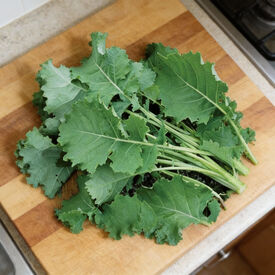
The Premier Kale, or also known as Early Hanover, is a high yielding kale with delicious and nutritious green leaves. This kale is early maturing that produces high amounts of smooth, dark green leaves. Plant Premier in the fall so that it produces higher yields and resists bolting 4 weeks longer. This kale's taste is a favorite and is extremely high in antioxidants and beta carotene!
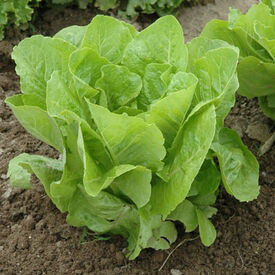
The Jericho Lettuce is known for its great baby leaf production and is very tolerant to hot weather. This lettuce is a blonde romaine that can be grown for both baby leaf and full-size heads. This lettuce variety is very attractive with its bright light-green leaves. Jericho is tolerant to both heat and tipburn. Certified Organic. Learn more about our organic seeds.
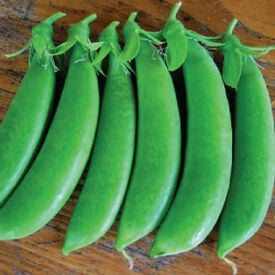
The Sugar Snap Pea is a garden staple pea that has unmatchable taste! This variety has tall vines that with support can grow up to 6 feet plus! The Sugar Snap Pea plant produces 3" long pods that are a 1/2" across, and bear over a long picking period. This is pea is so tasty that people will eat it directly after picking! Sugar Snap yields well in both hot and cold weather.
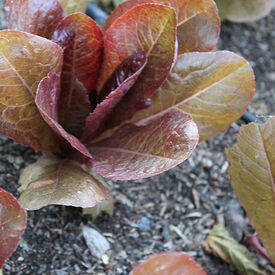
The Merveille Four Seasons is a French Bibb lettuce type that produces rich deep reddish leaves with bright cranberry red tips. This 12-16 inches lettuce has a wonderful butter taste and will hold its flavor in hot weather. The rich red leaves surround a small, 8-12 inches pale green, tight heart. Enjoy the Merveille Four Seasons chopped up in a salad for fresh flavor and a pop of beautiful color.
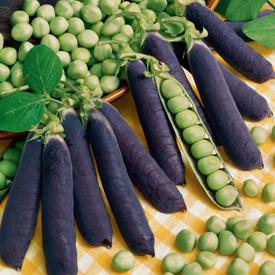
The Blue Shelling Pea is a Dutch heirloom blue podded pea that has been highly regarded for hundreds of years. This very versatile variety can be picked young and eaten raw as a colorful snow pea pod or left to swell and harvested as a plump pea for cooking. This pea plant produces lovely purple flowers with a faint scent that are also edible and delicious! Traditionally used as a winter dish, Blue Shelling would be soaked overnight and then pan fried with onions and bacon - yum! Give this 6' plant some support.
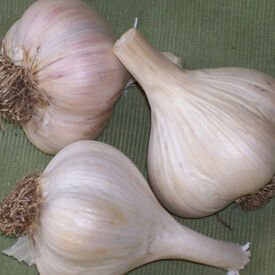
Georgian Crystal garlic has a rich flavor and mild heat for a Porcelain hardneck. When slow roasted this variety, it has an amazing buttery flavor that melts in your mouth! This garlic grows well throughout the USA, but even better in areas with hot summers. Averages 4-5 cloves per bulb.
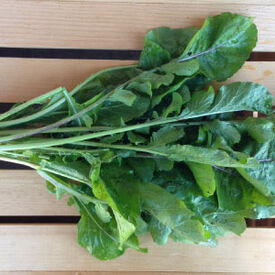
Astro Arugula is a popular arugula type with spicy flavor! This standard arugula is grown for it's long, green leaves. Astro is fast growing and will withstand cold temperatures. This arugula is best harvested at baby size. If you want to spice up your salads and meals, then the Astro Arugula will be the perfect addition to your garden!
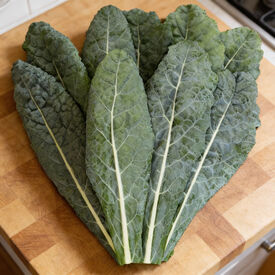
The Lacinato Kale is an old Italian heirloom kale that has very large tender leaves. This favorite is now available in organic seeds! The Lacinato, or also known as Dinosaur kale, Black Magic or Toscano, is popular for home gardening and fresh markets. Its scaly, bumpy leaves are large dark blue-green and very delicious. Pick young for the most tender leaves. The Lacinato produces high yields and can be harvested continually. Certified Organic. Learn more about our organic seeds.
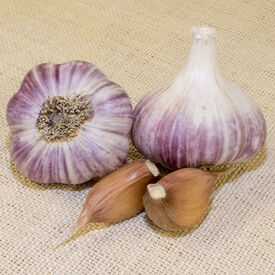
Russian Red garlic has big bulbs that have a slightly purple skin that wraps the bulbs and cloves. This variety is a great garlic to grow for soil conditions that are slightly damp. Russian Red is one of the most flavorful heirloom garlics we offer. Approximately 6-9 cloves/ bulb. Approximately 45-60 garlic cloves/ pound.
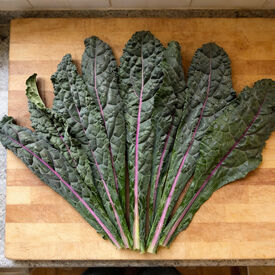
The Dazzling Blue Kale is a beautiful, cold-tolerant lacinato-type that produces large blue-green leaves with deep purple veins. This kale is sure to add a delicious pop of color to any salad! This variety will survive freezing temperatures better than other lacinato types and will even intensify with cool temperatures.
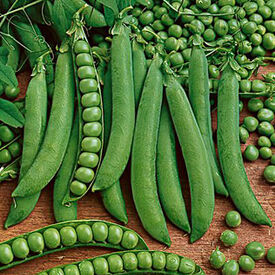
Green Arrow peas are a classic heirloom variety valued for their exceptional taste and reliable performance. Originating from the United Kingdom, this variety has been a staple in gardens for many decades. The Green Arrow pea plant is known for its vigorous, upright growth habit, typically reaching heights of 2 to 3 feet, making it suitable for small to medium-sized gardens and easy to manage without extensive support. The peas themselves are distinguished by their smooth, bright green pods and plump, tender peas that offer a sweet, fresh flavor. These peas are primarily used for fresh eating, though they are also excellent for freezing. They are generally harvested when the pods are fully formed but still tender, usually in late spring to early summer. The Green Arrow variety is appreciated for its high yield and disease resistance, which contribute to a bountiful harvest. With its sweet flavor, productive growth, and ease of cultivation, Green Arrow peas remain a popular choice among gardeners seeking a dependable and delicious pea variety.
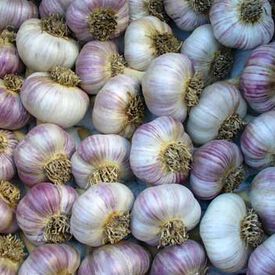
The Siberian garlic is certified and does great in cold weather! Siberian is a mid-season garlic and a great producer in cold climates. This variety does great for all northern gardeners! The cloves of this garlic are protected by an attractive light red skin. This clean, medium-to-strong flavored garlic will warm your soul on the coldest winter evening! Siberian has a very high allicin content, possibly the highest of any garlic. Allicin supports normal cholesterol levels, boosts the immune system, and enhances circulation! Approximately 12 garlic bulbs per pound. Approximately 4-5 cloves per bulb. Hardneck Garlic