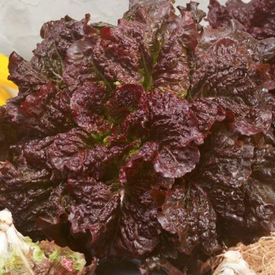
The Merlot is a looseleaf type of lettuce with intense deep burgundy colored leaves. This variety is slow bolting and ideal for cut and come again culture. Enjoy this beautifully colored lettuce in a baby salad mix!
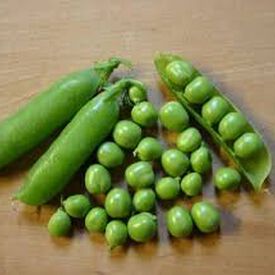
The Early Alaska Pea is an old heirloom that, just like its name suggests, thrives in the colder climates. This variety does great in early spring or short season plantings. The vines are cold hardy and can grow to 30." This pea plant yields 3 1/2” pods filled with 6-7 delicious medium sized peas that are excellent for fresh eating or freezing for later use.
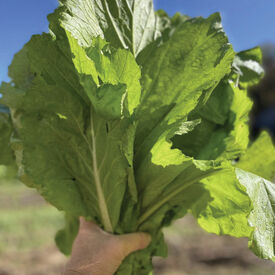
Florida Broadleaf mustard is a classic Southern heirloom variety long valued for its fast growth, large yields, and reliable performance in warm climates. Originating in the southeastern United States, it produces broad, bright green, smooth-edged leaves that can grow 10–12 inches long, forming an upright, leafy plant about 18–24 inches tall. The leaves are tender yet substantial, with a bold, peppery flavor that mellows pleasantly when cooked. This mustard variety thrives in full sun and prefers rich, well-drained soil with consistent moisture. It grows best in cool to mild temperatures, typically between 50–75°F, making it ideal for spring and fall gardens, though it can tolerate light frosts and brief periods of heat.
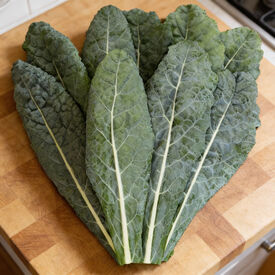
Lacinato kale, also known as dinosaur kale or Tuscan kale, is a leafy green vegetable characterized by its long, dark green, crinkled leaves. The leaves have a distinctive bumpy texture and are often a deep, rich shade of green, sometimes with a bluish tint. They grow on tall, upright stalks and have a slightly sweeter and milder flavor compared to other kale varieties. This type of kale is prized for its versatility in the kitchen. It can be eaten raw in salads, blended into smoothies, sautéed, or added to soups and stews. Lacinato kale holds up well to cooking without losing its texture, making it a favorite for both chefs and home cooks alike. Nutritionally, it's packed with vitamins A, C, and K, as well as minerals like calcium and iron, making it a powerhouse of health benefits. Its striking appearance and robust flavor make Lacinato kale a standout choice for any dish!
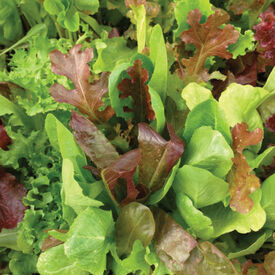
The Garden Leaf Blend is a colorful mix of our very popular lettuce varieties. This blend is a great mixture of lettuce varieties that mature at different times and have multiple colors to give your salad bowl a full pop of color! The Garden Leaf Blend includes Black Seeded Simpson, Oakleaf, Parris Island Cos, Tango, Red Romaine, Ruby and Lolla Rosso Darky
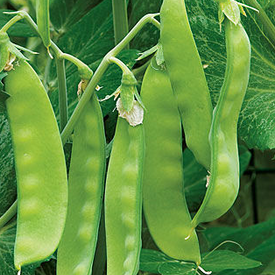
The Oregon Sugar Pod II Pea is a high yielding snow pea that has a high percentage of two pods per cluster! This variety grows to a height of 28" and bears 4 1/2" long pods that are disease resistant to pea virus, common wilt and powdery mildew. The Oregon Sugar Pod II produces delicious flat and tender pea pods that are superb for freezing!
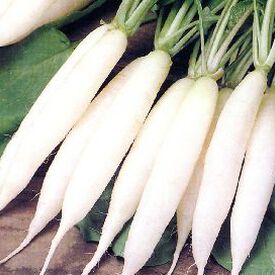
The White Icicle Radish is an heirloom white variety that has a warm, mild flavor. The shoulders where the radish protrudes above the ground should be green, although there is a variant with purple shoulders. This radish variety is excellent for the home garden or fresh market.
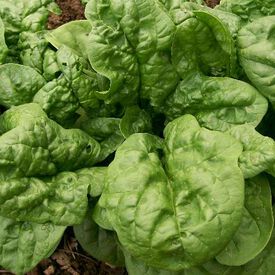
The Bloomsdale spinach is such an attractive, tasty, and a popular garden standard spinach. This variety is an old favorite amongst gardeners. It has an excellent flavor and produces large quantities of tasty leaves. Bloomsdale is also very nutritious with lots of Vitamin A, C, and iron and is low in calories.
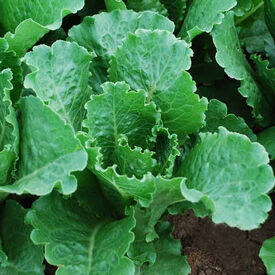
The Crisp Mint Lettuce is a big romaine variety with mint green-colored leaves that will be sure to stand out in any home garden! This bold lettuce is only mint in color, not taste. However, its sweet and crunchy leaves will be a favorite addition to any salad or sandwich. Crisp Mint's heads will reach 10 inches tall making it perfect for a container garden!
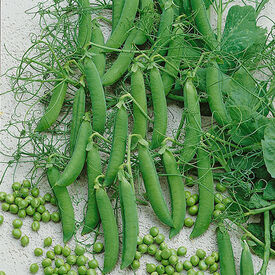
The Taiwan Sugar Pea is known as the queen of the Orient, making it the ultimate sugary sweet pea for stir fries and salads. These crisp pods are delicious cooked or raw and will just melt in your mouth! These large sweet pods originated in Taiwan and like cooler temperatures to give it its fresh sweet flavor. Certified Organic. Learn more about our organic seeds.
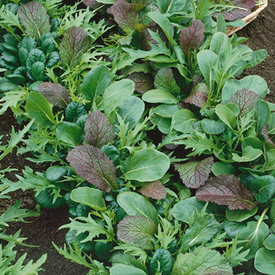
The Braising Mix Blend is growing trend in the market which uses a blend of different delicious mustard and arugula varieties. Our dealers can help you develop a custom braising mix for your specific market or growing region. This blend is used for multiple picking in home gardens. This very healthy alternative to lettuce blends is becoming very popular.
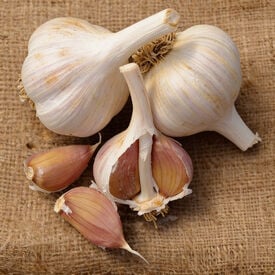
Yugoslavian garlic is considered a porcelain, which is a great storing garlic! This variety is hot & spicy and holds its shape and flavor well when cooked. Yugoslavian is regarded by some as the best if you like a good kick and is a hardneck variety.