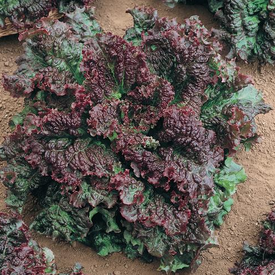
The Gabriella is a loose leaf lettuce variety that has beautiful deep wine colored leaves. This variety's purple leaves are frilly and sweet -- perfect for adding a pop of color to salads! The Gabriella's leaves are delicious from mesclun size to maturity. This variety is heat resistant and slow bolting.
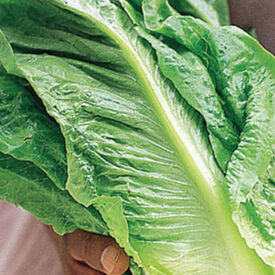
The Parris Island Cos is an heirloom romaine lettuce that is great for home and market gardens. This variety is a great lettuce commonly used for baby leaf production. Parris Island Cos is a fast maturing lettuce that makes an excellent tasting head. Its uniform upright, grey-green heads are 8-12" tall and have slightly savory leaves and are medium-slow to bolt.
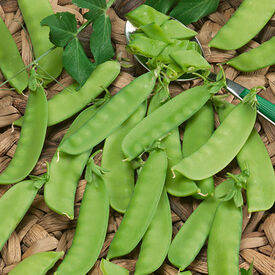
The Mammoth Melting Pea is a snow pea that adds the perfect mouthwatering crunch to any salad! The 5-6 foot tall vines require trellising for support. This variety's large sweet pods thrive in the cooler weather. Add a fresh pop of bright green to any garden or dish with the Mammoth Melting! Certified Organic. Learn more about our organic seeds.
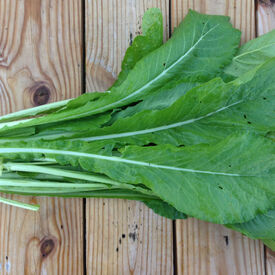
Tendergreen Spinach (Komatsuna) mustard is a prized leafy green known for its mild flavor and tender texture, making it a favorite in both culinary and gardening circles. This variety of mustard greens has its roots in traditional Southern U.S. agriculture, where it has been cultivated for its versatility and ease of growth. Characterized by its large, bright green leaves with a smooth, slightly wrinkled texture, Tendergreen mustard is valued for its mild, peppery flavor that becomes more pronounced when cooked. The plants grow rapidly, reaching maturity in about 40 to 50 days, and are known for their robust, upright growth habit, typically standing 12 to 18 inches tall. They produce small, yellow flowers in early spring if allowed to bolt, though they are primarily grown for their leaves. Tendergreen mustard thrives in cool weather and can be grown in a variety of soil types as long as they are well-drained. The plant’s resilience and quick harvest make it ideal for successive plantings, providing a continuous supply of fresh greens. With its rich flavor, adaptable growing conditions, and rapid growth, Tendergreen mustard is a valuable addition to any vegetable garden.
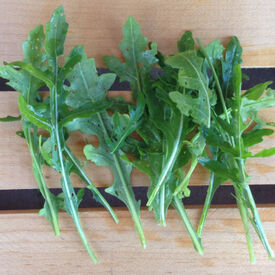
A slow growing arugula with great tasting peppery leaves! This variety produces 4" deeply cut leaves that have a slightly sharp pepper flavor. The Sylvetta is compact, heat and cold tolerant. If you are looking to spice up your salads and meals, then this is for you!
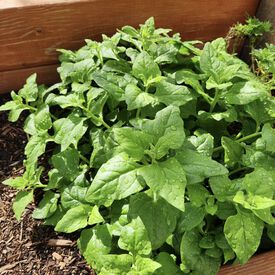
New Zealand spinach, known scientifically as Tetragonia tetragonioides, is a unique leafy green vegetable that thrives in warm climates, making it a popular choice in gardens. Unlike traditional spinach, which is a cool-season crop, New Zealand spinach is a perennial plant with succulent, triangular leaves that have a mild, slightly salty flavor. This hardy plant can tolerate heat and drought, making it ideal for summer gardens. It is often used in salads, stir-fries, and as a cooked green, providing a nutritious alternative to other leafy greens. With its ability to grow well in poor soil conditions and its attractive, sprawling growth habit, New Zealand spinach is not only a versatile culinary ingredient but also a valuable addition to edible landscapes.
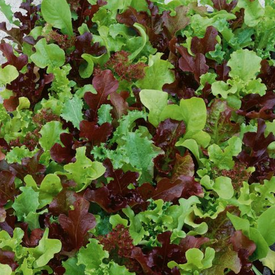
The Mini Greens Blend is a colorful mixture of red and green leaf lettuce varieties that creates a wonderful bright combination. This blend is neither considered a sprout nor true baby leaf lettuce either, these delicious mini greens are somewhere in between! The Mini Greens Blend will give you greens in just 2 weeks from germination to harvest!
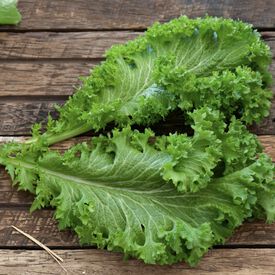
The Old Fashioned Mustard Green is a real Southern treat! This green is a favorite that can be eaten fresh or cooked, but is best enjoyed either steamed or sautéed in our opinion! The Old Fashioned Mustard is easy to grow and care for, making it a great addition to any garden.
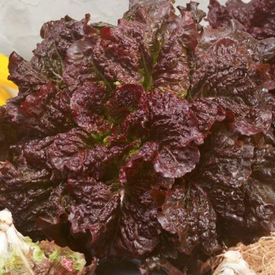
The Merlot is a looseleaf type of lettuce with intense deep burgundy colored leaves. This variety is slow bolting and ideal for cut and come again culture. Enjoy this beautifully colored lettuce in a baby salad mix!
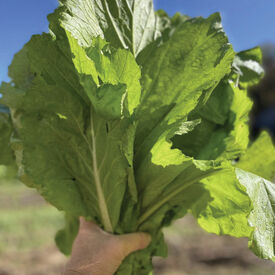
Florida Broadleaf mustard is a classic Southern heirloom variety long valued for its fast growth, large yields, and reliable performance in warm climates. Originating in the southeastern United States, it produces broad, bright green, smooth-edged leaves that can grow 10–12 inches long, forming an upright, leafy plant about 18–24 inches tall. The leaves are tender yet substantial, with a bold, peppery flavor that mellows pleasantly when cooked. This mustard variety thrives in full sun and prefers rich, well-drained soil with consistent moisture. It grows best in cool to mild temperatures, typically between 50–75°F, making it ideal for spring and fall gardens, though it can tolerate light frosts and brief periods of heat.
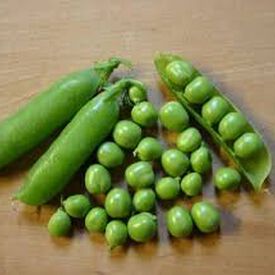
The Early Alaska Pea is an old heirloom that, just like its name suggests, thrives in the colder climates. This variety does great in early spring or short season plantings. The vines are cold hardy and can grow to 30." This pea plant yields 3 1/2” pods filled with 6-7 delicious medium sized peas that are excellent for fresh eating or freezing for later use.
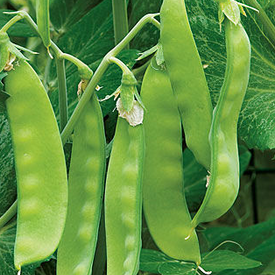
The Oregon Sugar Pod II Pea is a high yielding snow pea that has a high percentage of two pods per cluster! This variety grows to a height of 28" and bears 4 1/2" long pods that are disease resistant to pea virus, common wilt and powdery mildew. The Oregon Sugar Pod II produces delicious flat and tender pea pods that are superb for freezing!