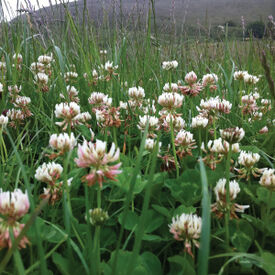
The White Dutch Clover is a perennial clover variety that is a customer favorite for controlling erosion while protecting the soil! This legume is a living mulch of permanent cover that spreads by stolons. Grow low so takes close mowing and grazing. The White Dutch Clover benefits bees and insects as well as fixes nitrogen. Uses: Bees & Beneficial Insects, Chicken Forage, Deer Attractant, Erosion Control, Forage, Green Manure, Nitrogen Fixation, No Till, Weed Suppression
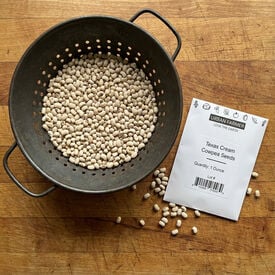
The Texas Cream is a heavy yielding Southern cowpea that is great for fresh shelling. This variety is very similarly to 'Sadandy' but the cowpeas are slightly larger. These bush-type plants are prolific and thrive in hotter, Southern weather. Texas Cream is a "cream pea" type variety, they are generally used at the fresh shelling stage. Treated Seed.
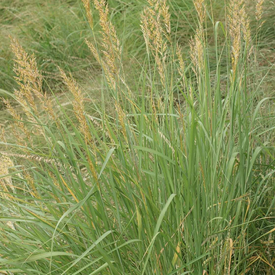
The Indiangrass is a warm-season bunchgrass that is native to central and eastern North America and provides cover and food for wildlife. This grass can reach up to seven feet tall and is a common species of the Tallgrass Prairie. The beautiful, plume-like seed heads are very ornamental making them excellent for prairie and conservation mixtures.
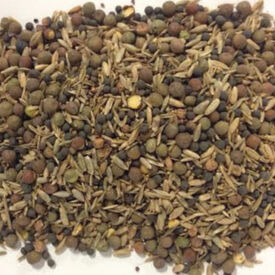
A multipurpose cover crop blend that is sowed in fall! This wonderful blend will help with nitrogen fixation, adding organic matter and weed suppression. Contains a blend of Austrian Field Peas, Crimson Clover, Hairy Vetch, Annual and Winter Rye. Cut right after flowering in spring and till into soil for green manure. (30% Field Pea, 20% Crimson Clover, 20% Hairy Vetch, 15% Annual Rye, 15% Winter Rye) Seed Coverage: - 5 lbs covers 2,000-4,000 sqaure feet - 100 lbs covers 1-2 acres Uses: Green Manure, Nitrogen Fixation, No Till, Organic Matter (Biomass), Weed Suppression
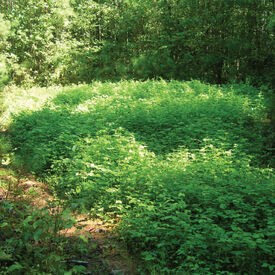
All of the seeds below are very good at attracting deer to your property! Buckwheat - Improves top soil and an effective choke weed! Plant late spring to early summer. Establishes quickly. Matures in 60 days. Accumulates phosphorus and and potassium for following crops. Frost sensitive. All below packages come in 1lb. bags. Crimson Clover - Winter annual protects and improves soil! Plant fall or early spring. A good nitrogen fixer (70-150 lbs per acre per year). Showy crimson blooms in late spring are an excellent source of nectar for bees. Inter-seeds well with grass. Austrian Winter Pea - A great cool season legume for cover crops, wildlife and winter grazing! Austrian winter pea, sometimes called "black pea" and "field pea" is a cool-season, annual legume with good, nitrogen-fixing capabilities. Austrian winter pea is a low-growing, viny legume which has been shown to fix over 200 pounds of nitrogen per acre per year. Peas - Grow regular old peas in your deer food plot. One of the most preferred vegetables for deer. Oats - Oats will kill off winter weeds and hold soil with a mat of vegetation! A high yielding oat that can produce over 100 bushels per acre. Plant anytime of the year. Deer will graze oats all year round. Barkant Forage Turnip - Great forage crop that provides high energy feed! Barkant turnips are an improved, early maturing, diploid turnip wtih a large purple tankard shaped bulb. Barkant turnips have a high leaf to stem ratio and and provide very high contentrations of protein, sugar content and leaf yields. Barkant Turnips are ideally suited for wildlife. Dwarf Essex Rape - A cabbage related plant that is a perfect grazer! Dwarf Essex Rape is a perfect grazer plant that will persist well after the first frost. Ready to pasture 6-8 weeks after sowing. Hairy Vetch - Sow with or without grain, grass or field peas! When sown late summer, grows fast and will attract wildlife. Hairy Vetch has rapid growth that makes it a good weed suppressant.
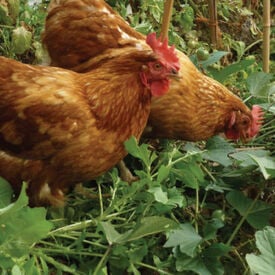
Growing your own forage for your chickens is a cheap, easy, and a highly nutritious way to feed your chickens. Chicken feed can be expensive to provide throughout the year. Growing your own from spring to fall provides high levels of nutrients that will make your eggs taste even better. Foraging chickens have a better balanced diet that creates better eggs and meat. This chicken forage blend is a mix of well balanced plants that chickens love to eat. Spread at 5 lbs. per 1,000-2,000 square feet. 100 lbs will cover 1 acre. Mixture includes: Annual Ryegrass, Perennial Ryegrass, Buckwheat, Flax, Millet, Forage Peas, Red Clover, Alfalfa
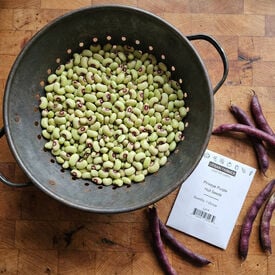
Pinkeye Purple Hull cowpea is one of the most popular varieties preferred by Southerners. Cowpeas in general are great for drying and canning. This variety's hulls are purple and its cowpeas are green with pinkeyes when freshly picked turning cream with dark maroon when dried. The Pinkeye Purple Hull produces pods that are six to seven inches long and purple. If you are using for Nitrogen fixation we highly recommend using a cowpea inoculant.
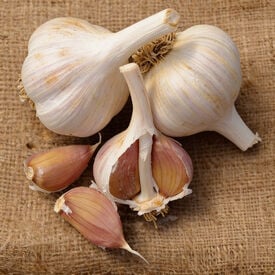
Yugoslavian garlic is considered a porcelain, which is a great storing garlic! This variety is hot & spicy and holds its shape and flavor well when cooked. Yugoslavian is regarded by some as the best if you like a good kick and is a hardneck variety.
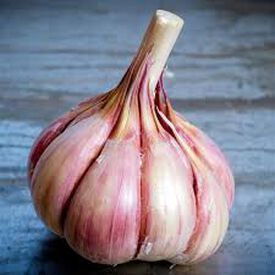
The Persian Star is a hardneck purple stripe type garlic. The outer skin can grow pure white with inner wrappers that are streaked purple. The red-tipped cloves with marbled streaks on whitish or yellow-brown background. The Persian Star is a very pleasant flavor with a mild spicy zing that is a great addition to any dish!
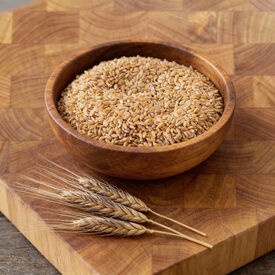
Einkorn is the most ancient cultivated wheat and one of the earliest cereal crops grown by humans. As a diploid grain, it contains just two sets of chromosomes (14 total) compared to the six sets (42 chromosomes) found in modern hexaploid wheat, and it lacks the D genome often associated with wheat sensitivity in some people. Einkorn is a hulled wheat with a rich, nutty flavor and is widely valued for its higher levels of protein, minerals, and antioxidants compared to modern wheat, making it a nutritious and traditional choice for specialty baking and whole-grain use.
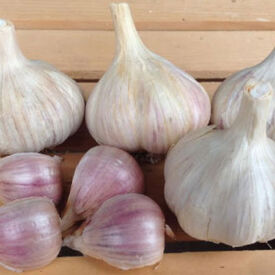
Romanian Red garlic produces 4 to 5 large cloves per bulb. This variety's bulbs are a beautiful cream white with shades of purple skins. Once harvested, these whole bulbs will store for months. Romanian Red produces a delicious flavor that is pungent and long-lasting.
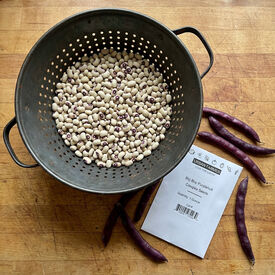
The Big Boy Purplehull is a high yielding, popular Southern cowpea that is great for home gardens. Big Boy Purplehull is a long podded variety with 13-16 peas per pod that are light tan in color and oblong shape. This is a good garden variety and is very prolific. If you are using for Nitrogen fixation we highly recommend using a cowpea inoculant. Try with cowpea inoculant for maximum Nitrogen fixation.