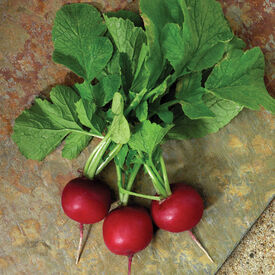
Crunchy Royale is a dark red, round radish ideal for bunching or cello pack. It yields high quality and extremely uniform roots. Overall, Crunchy Royale offers excellent internal and external color and a high pack-out rate for growers.
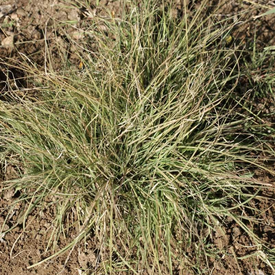
The Buffalo Grass is a warm-season grass that is the predominant component of the shortgrass prairies of the Great Plains. Once established, it is extremely drought tolerant and tough. It can be used as a xeriscape lawn grass for water conservation, and it is a common component in range mixtures. White Tailed Deer, Bison and Prairie Dogs utilize it for forage, and it is a larval host for the Green Skipper. Plants are stoloniferous and can invade flower beds if an edging or barrier is not used.
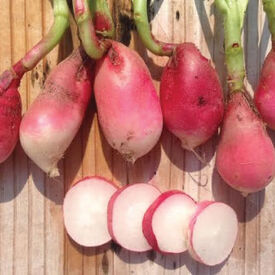
The French Breakfast Radish has a delicate flavor and is an excellent variety for home gardens. This radish variety is an attractive uniquely shaped radish with elongated roots and red tops with white tips. The French Breakfast has an excellent flavor and texture, that is perfect for dips or as a garnish.
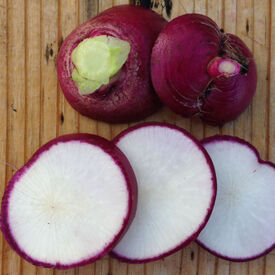
The Purple Plum is an amazing purple skinned radish with a crisp, mild and sweet white flesh! This unique radish is different from the "typical" radish coloring. This small round shaped radish is early to harvest, which makes it great for home and market growers. Purple Plum is a nice variety to blend with other colors in mixes!
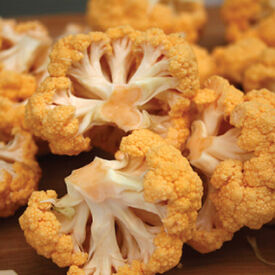
The Cheddar cauliflower lives up to its name with its awesome cheddar color and great flavor! This cauliflower is a novelty, orange curd that is high in beta-carotene. A mid-size plant, domed head, and is very productive in the fall. Fun to watch grow and eat!
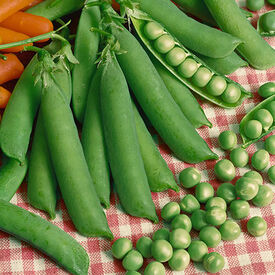
The Progress No. 9 Pea is a very prolific and early yielding shelling pea! This wrinkle-seeded pea is fast growing and produces plump dark green pods. Enjoy 7-9 delicious peas per pod that are perfect for soups or as a side dish. The Progress No. 9 holds well on the vine and is also disease resistant. Certified Organic. Learn more about our organic seeds.
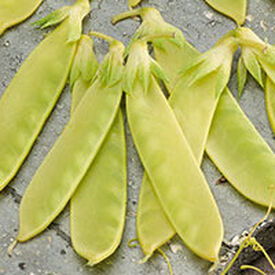
The Golden Sweet Pea is really the gold standard for yellow shelling peas! This yellow pod snow pea grows to be around 3 inches long. This pea has a wonderful sweet taste and can be eaten raw in salads or steamed as a side dish. The large 5-6 foot vines need to be trellised and will grow beautiful purple flowers. Certified Organic. Learn more about our organic seeds.
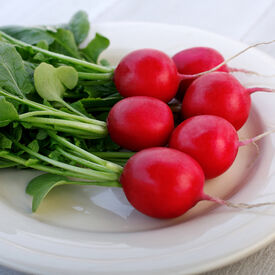
Crunchy Crimson radish is a high yielding root with superior quality and uniformity. These roots have bright red skin with excellent interior quality and are very slow to develop pith. Crunchy Crimson grows well under cool conditions.
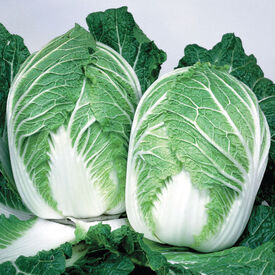
China Express is a chinese cabbage that is a widely-adapted and can be grown throughout. This is a very uniform cabbage with tightly wrapped heads. Medium-sized that are fast maturing.
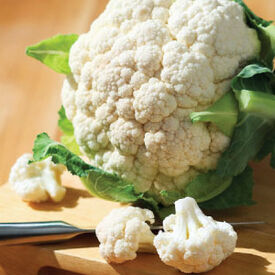
Amazing cauliflower seeds produce a high-yielding, uniform variety known for its large, dense, and smooth white heads. This hybrid cauliflower is prized for its excellent resistance to common diseases and its ability to perform well in a range of growing conditions, from cool climates to slightly warmer environments. With a fast-growing cycle, Amazing cauliflower is ideal for early-season harvests, making it popular among commercial growers and home gardeners alike. The compact, tightly-formed heads are highly marketable and have a delicate, mild flavor that holds up well in both fresh and cooked dishes. Whether grown for local markets or personal use, Amazing cauliflower seeds offer consistent, premium-quality results with minimal care required.
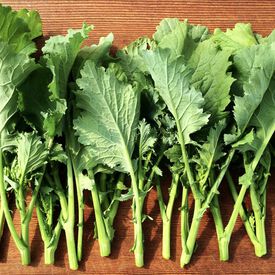
Spring Raab broccoli, also known as rapini, has roots in Mediterranean cuisine, particularly in Italy, where it has been cultivated for centuries. This unique vegetable is characterized by its slender, green stalks topped with small yellow flowers and dark green leaves, which are edible and packed with nutrients. The flavor of Spring Raab is distinctively bitter and nutty, which softens with cooking, making it a versatile addition to dishes like stir-fries and pasta. Harvesting typically occurs 40-60 days after planting, ideally before the flowers fully open for optimal taste. This cool-season crop thrives in well-drained soil and prefers cooler temperatures, making it perfect for early spring or fall planting. Its rapid growth and ability to produce multiple harvests make Spring Raab a favorite among gardeners, while its rich vitamin content adds to its appeal for health-conscious cooks.
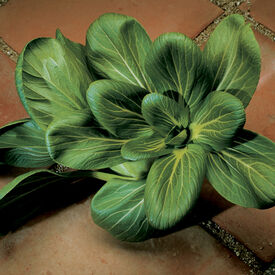
Feng Qing Choi cabbage is a slow bolting Mei Qing Choi type with good plant size and dark leaf color. This variety has excellent holding ability and uniformity.
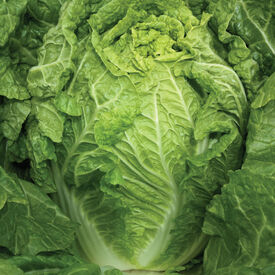
China Gold (F1) cabbage has exceptional color both inside and out. It has a compact frame, good weight and is very slow bolting.
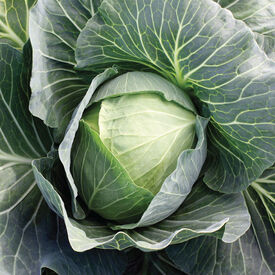
SuperStar is a hybrid cabbage that produces the highest quality fresh market cabbages. It has excellent wrappers for a fancy pack along with excellent holding ability in the field and after harvest.
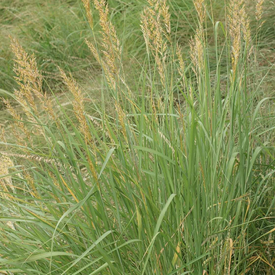
The Indiangrass is a warm-season bunchgrass that is native to central and eastern North America and provides cover and food for wildlife. This grass can reach up to seven feet tall and is a common species of the Tallgrass Prairie. The beautiful, plume-like seed heads are very ornamental making them excellent for prairie and conservation mixtures.
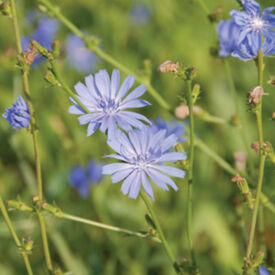
Chicory has a long taproot that penetrates subsoils which makes it drought tolerant and allows it to make minerals more available to livestock. Rich in potassium, sulfur, calcium, zinc, sodium, manganese and iron. When managed properly, Chicory produces leafy growth which is higher in nutritive and mineral content than alfalfa and other cool season grasses. Used mainly in mixes with other pasture or cover crop seeds. Chicory (Cichorium intybus L.) - Warm season, broadleaf - Perennial - Upright and spreading growth habit - Protein levels: 10-32% - Forms arbuscular mycorrhizal associations Uses: - Bees & Beneficial Insects - Chicken Forage - Deer Attractant - Forage
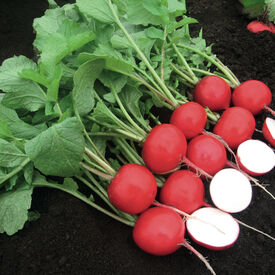
Interior texture is smooth and dense with bright white color, even when roots get large. Exceptional quality and taste when picked young, but still tasty if allowed to sit in the garden longer, giving gardener an extended harvest opportunity.
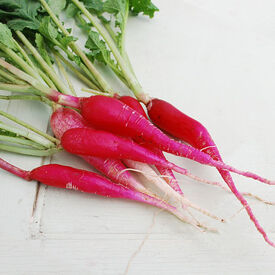
The Cincinnati Market Radish is a uniquely skinny and elongated pink to red radish that is a fresh-from-the-garden-favorite! This six inch variety has a delicately mild taste with a very tender and crisp texture, making it perfect for fresh eating. The early maturing radish has been an heirloom garden favorite since 1885. You can enjoy the delicious Cincinnati Market from spring to fall.