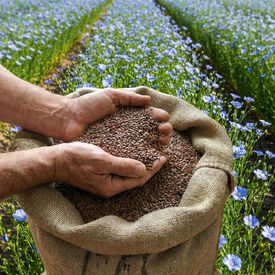
The Common Flax is a cool season annual broadleaf with small taproots and very small, narrow leaves that are less than an inch long. This variety's stems are branched near the base of the plant, with plants reaching 30 to 36 inches in height. The multiple stems or branches of a flax plant are slender and flexible, bearing attractive blue flowers. Flax has the same performance benefits of other grasses and grains, of quick germination and a highly fibrous root mass. Flax will take up excess N and other minerals, will winter kill and provide moderate to high amounts of organic matter back to the soil. Flax provides excellent mulch for protection of erosion and improving water permeation during the winter and spring. Flax (Linum usitatissimum): Cool season, broadleaf, Annual, Upright plant habit Uses: Bees & Beneficial Insects, Chicken Forage, Erosion Control, Green Manure, Nitrogen Savenger, No Till, Organic Matter (Biomass)
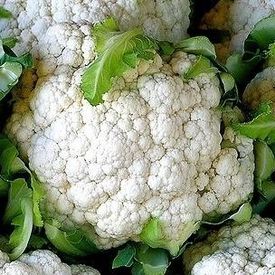
The Self Blanching cauliflower is known for its bright white curds with a delicious flavor! The Self Blanching cauliflower has self-wrapping leaves that help protect the white curds from sun, thus the name Self Blanching Cauliflower. Remember cauliflower likes cool weather plant seed early spring or fall for best crops.
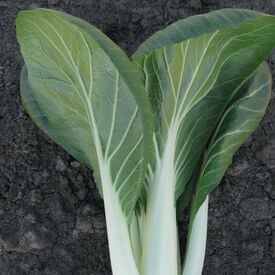
This pak choi's tender leaves and crisp sweet stalks are a tasty addition to recipes or eaten raw. Swap stalks for celery sticks, add to soups and stews, or grill on the barbecue. Plant every couple of weeks for successive harvests in spring and fall; Bopak retains it’s nice flavor even in warmer weather.
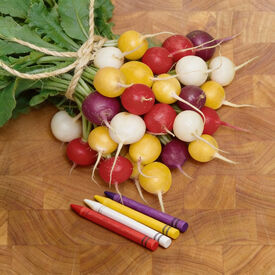
The Crayon Colors Mix is a mixture of primary colored radishes that literally paints a wonderful colorful palette in your garden! The color in this mix includes yellow, pink, red, and purple.
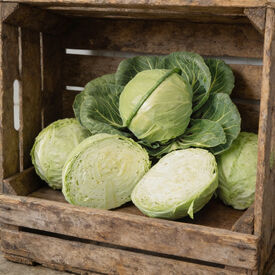
This refined, open-pollinated cabbage produces round, green heads wrapped around crisp, tender white hearts and has been a trusted favorite since at least the 1920s. Known for its very early maturity and compact growth habit, it is ideal for dense plantings and tight spacing while still delivering strong yields of uniform, marketable heads. The dense, solid heads are spherical, typically measuring 5–7 inches across and weighing about 3–5 pounds, with plants remaining relatively small compared to head size. Fresh, the flavor is delicately crunchy with a pleasant bite, while cooking mellows it to a rich, buttery taste. Well suited for coleslaw, stir-fries, and other fresh kitchen uses, this variety shines as an early fresh-market cabbage rather than a long-term storage type. Maturing in about 65 days, it is an excellent choice for serious cabbage growers seeking high quality and reliability.
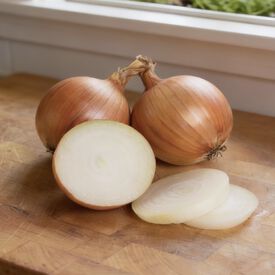
Scout is an early to main season intermediate variety and can make a good transition from intermediate to long days. It is a consistent yielder and a uniform producer of jumbo and colossal bulbs and holds up well to mechanical harvest.
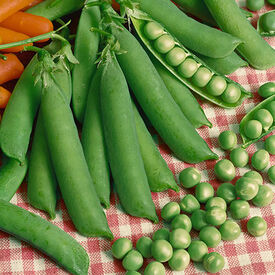
The Progress No. 9 Pea is a very prolific and early yielding shelling pea! This wrinkle-seeded pea is fast growing and produces plump dark green pods. Enjoy 7-9 delicious peas per pod that are perfect for soups or as a side dish. The Progress No. 9 holds well on the vine and is also disease resistant. Certified Organic. Learn more about our organic seeds.
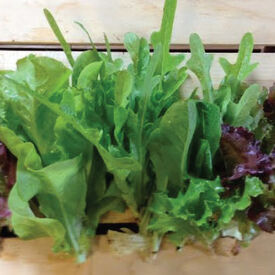
The Gourmet Mesclun Blend is a colorful mixture of our favorite gourmet leaves! This blend offers a pleasing mix of colors and types of lettuce that are delicious together in a salad. The Gourmet Mesclun Blend is also great for baby leaf production.
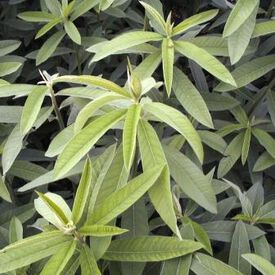
The Sunn Hemp is a legume that makes an excellent cover crop as it is great for nitrogen fixation and nematode resistance in the soil. This legume is a fast-growing legume that produces significant quantities of biomass and fixes nitrogen into the soil with a short rotation of 60 days under optimum conditions. Plant the Sunn Hemp at least 8 weeks before first frost. For maximum benefit terminate crop at first flowering, prior to developing fibrous, hard-to-manage stalks. This legume is tolerant of dry conditions. Avg. 15,000 seeds/lb. Uses: Compaction Control, Erosion Control, Green Manure, Nitrogen Fixation, Organic Matter (Biomass), Weed Suppression
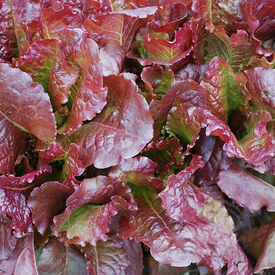
The Outredegeous Lettuce is a deep, dark purple red romaine that will maintain its dark color even under low-light conditions! This mesmerizing variety is a wonderful baby leaf type and large loose leaf type, making it the perfect lettuce for salad growers. You can start using its leaves after 28 days. Outredegeous seeds are a natural mix of black and white.
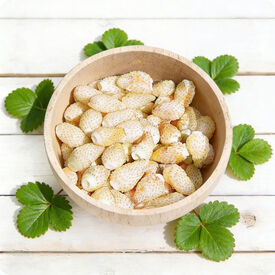
'White Solemacher' (Also known as Weiss Solemacher) is a white fruiting alpine strawberry cultivar that has been around for many years. It was discovered in Germany. The fruit is among the largest white fruit produced by alpines. It is a clumping type (few to no runners) and is day neutral which means it is not dependent on day length for flowering. The white fruit has the distinctive wild strawberry flavor and aroma expected from fraises des bois. The fruit has a hint of pineapple flavor typical of white alpine fruit. We like it that birds don't seem to know the fruit is ripe and so it Fools the Birds and a part of the collection by that name.
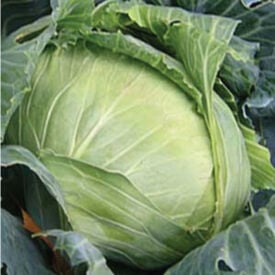
Brunswick cabbage is a traditional variety known for its hardiness and adaptability, making it a favorite among gardeners in cooler climates. Originating from Europe, Brunswick cabbage features large, tightly packed heads that can reach sizes of 3-5 pounds. The leaves are thick, dark green, and slightly crinkled, providing a robust texture. The flavor is mild and sweet, especially after exposure to frost, which enhances its natural sugars. Brunswick cabbage is typically harvested in late summer to early fall, and it can store well, making it ideal for winter use. This variety is often used for sauerkraut, coleslaw, and various cooked dishes due to its versatility. Brunswick cabbage plants grow upright and can reach heights of about 18-24 inches, preferring well-drained soil and full sun. Their resilience to cold weather makes them suitable for early spring and fall planting, allowing gardeners to enjoy fresh produce throughout the growing season. Overall, Brunswick cabbage is valued for its robust flavor, adaptability, and long storage life.