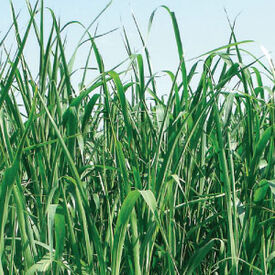
The Piper Sudangrass is a great catch crop for excess nitrogen that produces heavy amounts of organic matter and suppresses weeds. This grass grows quickly at heights up to 7 feet. The Piper Sudangrass is great for livestock forage, but should be grazed only when mature and never after a frost as it turns toxic. Uses: Erosion Control, Green Manure, Nitrogen Scavenger, No Till, Organic Matter (Biomass), Weed Suppression
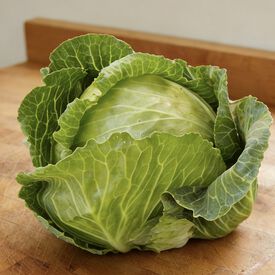
Round blue green 7-8 in. heads, 5-7 lb, standard storage type, does well in mountain areas, will adapt to Northeast, excellent yields, keeps until the late spring, very dependable.
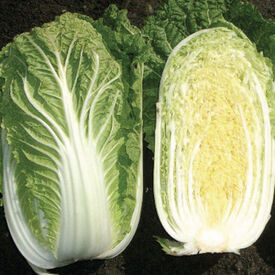
China Star is a high producing and uniform Chinese cabbage. Grows large heads with a dark green exterior and dark yellow interior. It is slow bolting. China Star performs well in all Chinese cabbage planting slots.
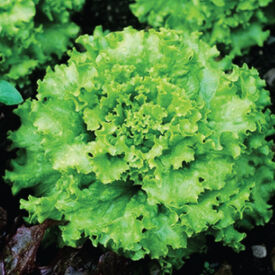
Grand Rapid TBR lettuce is a versatile variety derived from the classic Grand Rapid lettuce, known for its resistance to diseases like downy mildew. Originating in the early 20th century, this loose-leaf type features frilled, light green leaves that form a rosette, offering both beauty and texture. The flavor is crisp and mild, making it a delightful addition to salads and sandwiches. Harvesting can begin around 45 days after planting, with the option to pick individual leaves for a continuous supply or to cut the entire head when fully mature. Grand Rapid TBR lettuce thrives in cooler climates and prefers well-drained soil, making it an excellent choice for both spring and fall gardens, particularly for home gardeners seeking a reliable and flavorful crop.
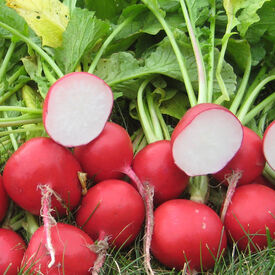
Roxanne is a hybrid radish with uniform bright red color and a beautiful creamy white interior. Roxanne is a great tasting radish with no pithiness or bleeding even at a larger size. This radish stays firm and solid even when oversized, and holds well in the garden.
The Annual Ryegrass is a very fast growing grass that makes for a great cover crop as its fibrous roots prevent soil erosion and build organic matter! Plant this grass early fall to late fall, or early to mid-spring and can germinate in cool weather. The Annual Ryegrass established protective cover quickly and over seeds well at higher rates. This grass can scavenge as much as 200 pounds of nitrogen per acre. When used as a spring cover crop, this Annual Ryegrass should be killed before reaching seed formation stage. Ryegrass (Lolium sp.) Uses: Erosion Control, Green Manure, Nitrogen Scavenger, No Till, Organic Matter (Biomass), Weed Suppression
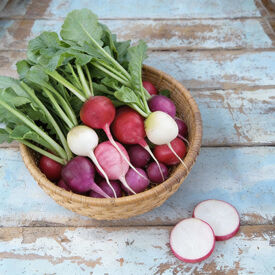
Easter Egg Blend radishes offer a cheerful mix of red, white, rose pink, purple, and striking bi-color roots with red tops and white bases, turning harvest time into a fun search for the brightest colors. Best grown during the cool weather of spring and fall, these radishes develop quickly and stay crisp, mild, and flavorful without becoming woody, hollow, or overly spicy. They’re excellent eaten fresh, adding crunch and color to salads and sandwiches, and they resist bolting better than many varieties. Beloved by kids and adults alike, this vibrant blend is a longtime favorite of home gardeners and a reliable choice for market growers who value uniform, attractive bunches.
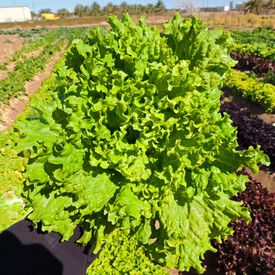
The Waldmans Green Lettuce is the standard green leaf lettuce that is most widely grown for commercial. This variety is a highly productive lettuce that produces large, dark green leaves with slightly savoyed, wavy texture form loose, open heads.
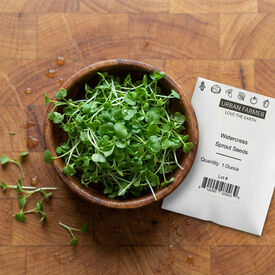
True Watercress is a delicious highly nutritious aquatic herb. This watercress has a wonderful fresh peppery-tasting flavor. Being semiaquatic, this cress is a creeping perennial whose leaves are popular in salads, sandwiches and as a garnish. True Watercress grow rapidly in in damp soil and can be grown in pots of soil placed in a tub of water if water is changed weekly.
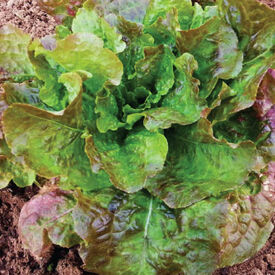
The Bronze Mignonette has been a popular heirloom lettuce for over 100 years! This variety is a heat tolerant lettuce that is slow bolting. Bronze Mignette gets its name for having a bronze tint. The lettuce heads reach 8" across with crumply, crisp leaves. This variety looks and tastes in salads and on sandwiches.
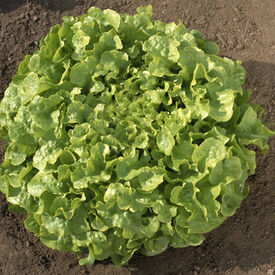
The Oakleaf Lettuce gets its name for having very tender leaves that resemble the white oak leaf. This variety is an old time favorite that tastes great in mixed salads. The Oakleaf is perfect for planting late in the season. This lettuce will stay tasty and non-bitter well into the heat of summer!
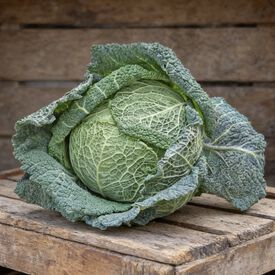
Ready in about 89 days, this variety forms broad, slightly flattened heads that average 6–8 pounds. The crisp white interior is beautifully framed by heavily savoyed blue-green wrapper leaves. It handles heat well and truly shines in fall production, delivering consistently impressive, eye-catching heads for your garden.
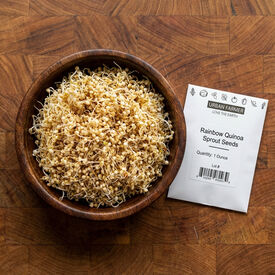
The Brilliant Rainbow Quinoa blends beautifully into meals or salads. Just like its name, this quinoa contains a spectrum of many different colored heads - red, orange, gold, white, and green. The Brilliant Rainbow Quinoa's leaves have a salty spinach-like flavor. Harvest for greens when 6-8" tall or let grow for beautiful tall blooms that can be harvested for grain. This Quinoa's grain has a nutty flavor that goes well with any dish!
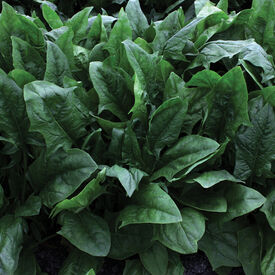
Imperial Star is an Asian type spinach that is early maturing. This is a smooth-type spinach with medium sized green leaves. Grows upright on sturdy stalks. Perfect for cooler climates but also low bolt tolerance. Also has a high tolerance for downy mildew.
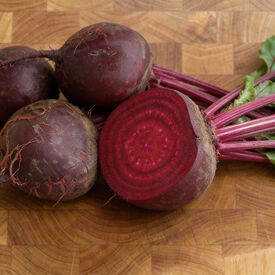
The Crosby Egyptian Beet, a classic heirloom variety, has a rich history dating back to the late 19th century. Originating in Egypt, it was introduced to the United States in the 1860s and quickly gained popularity among gardeners and farmers. This beet variety has stood the test of time due to its exceptional taste and versatility in the kitchen. Crosby Egyptian Beets are known for their sweet and tender flesh, making them a favorite for both raw and cooked applications. They have a distinct earthy flavor with a hint of sweetness, making them perfect for salads, pickling, roasting, and even juicing. These beets typically mature in about 55-60 days, making them a relatively quick-growing option for gardeners. In terms of appearance, Crosby Egyptian Beets are small to medium-sized, usually reaching about 2-3 inches in diameter. They have a round to slightly flattened shape and a vibrant deep red or purplish skin. Disease resistance is moderate, with some resistance to common pests and diseases like aphids and leaf miners. In terms of yields, you can expect a good harvest of beets from each plant, especially if you space them adequately (about 2-4 inches apart) in well-drained soil with full sun to partial shade. These beets thrive in cool weather conditions, making them suitable for spring and fall planting. With its rich history and delightful flavor, the Crosby Egyptian Beet continues to be a treasured addition to vegetable gardens.
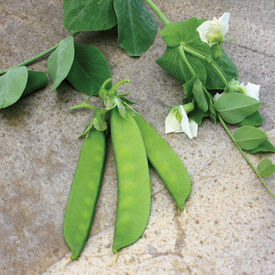
Little SnowPea White produces dwarf-sized vines with beautiful purple flowers. This pea plant is tiny yet productive and does well in small gardens or containers. The pods mature early and have a crunchy bite. Plants will reach a maximum height of 24 inches. For pea shoots, matures in 10 days. Expect slender, tight greens with minimal side branching, upright habit, and ease of harvest and stack.
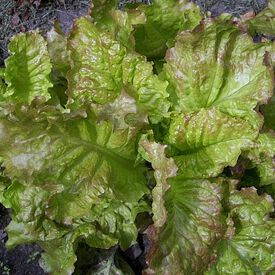
The Prizehead Lettuce produces luscious slow bolting heads of loose, large green leaves with curled maroon tips. This variety is a popular lettuce for both home gardens and markets. Prizehead is truly a prize for its flavor being great in salads and sandwiches.
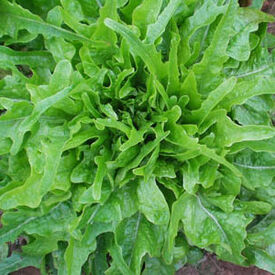
The Royal Oakleaf is a long standing oak leaf lettuce that has good heat resistance. This variety develops beautiful rosettes of deeply lobed sea green leaves. Royal Oakleaf is an improved version of the standard oak leaf lettuce. The Royal Oakleaf has excellent flavor, crispness and tenderness that is one that cannot be beat!