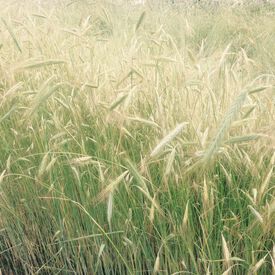
The Winter Rye is a tall grain cover crop that can reach up to be 5 feet tall and prevents erosion and builds organic matter in the soil. This grain can be planted early to late fall and in mild climates, fall through early spring. This grain is the best choice for fast, cool-season germination. The Winter Rye captures soil nutrients in the fall to release in spring when worked into the soil. Uses: Erosion Control, Green Manure, Nitrogen Scavenger, No Till, Organic Matter (Biomass), Weed suppression
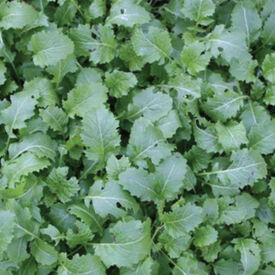
Dwarf Essex Rape (Brassica napus) is a fast-growing, cold-hardy forage crop commonly used for livestock grazing, wildlife food plots, and soil improvement. This leafy brassica produces high-protein, highly digestible forage that remains palatable even in colder temperatures, making it an excellent choice for fall and winter grazing. It is drought-resistant and can thrive in various soil types, providing a nutritious food source for deer, cattle, and other grazing animals. Additionally, its deep root system helps improve soil structure and reduce erosion. Due to its rapid regrowth, Dwarf Essex Rape is a valuable option for sustainable pasture management.
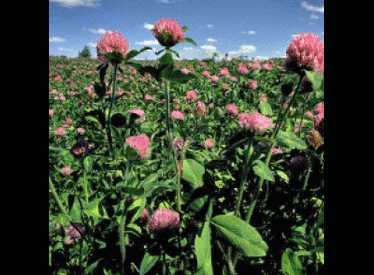
The Mammoth Red Clover is a large, fast growing clover that is an ideal grazing crop and can be sowed in spring, summer or fall! Mammoth Red is a popular biennial clover used for Nitrogen addition and hay crops. This red clover may be the best choice for frost seeding; it is extremely cold hardy and does well in most soils and growing conditions. The Mammoth Red Clover will fix up to 70-110 lbs. nitrogen per acre. This variety's long tap roots loosen soils and mine phosphorus and other nutrients from deep in the soil. Uses: Bees & Beneficial Insects, Chicken Forage, Compaction Control, Deer Attractant, Erosion Control, Forage, Green Manure, Nitrogen Fixation, No Till, Weed Suppression
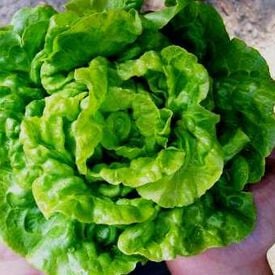
The Tom Thumb Lettuce is a tennis ball sized Bibb type with a great flavor! This slightly savory, bright green lettuce produces small compact heads that have slightly crumpled leaves with a sweet, delicate flavor. One head will make a salad for two! Tom Thumb will grow beautifully in small pots, window boxes, hanging baskets and planted under trees. This variety is the oldest American lettuce still grown, dating back to 1830's! This rare find is a good one!
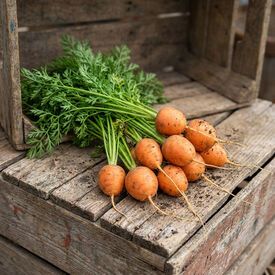
Thumbelina carrots are tender and sweet with no need to peel! It is the perfect bit size for fresh eating, stews and salads. Thumbelina's small size makes it a great choice for heavy or shallow soils or containers. No wonder it is an All-America Selections Winner from 1992!
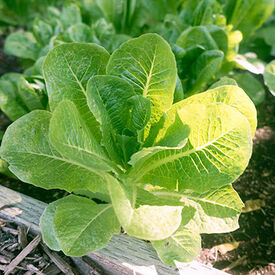
The Little Caesar Lettuce is a very attractive tall romaine type with crisp, bright green outer leaves and golden-blanched inner leaves. This lettuce has a sweet, crunchy flavor that is delicious on any sandwich or salad. This variety is easy to grow and is perfect for smaller gardens. Little Caesar is best picked right before eating.
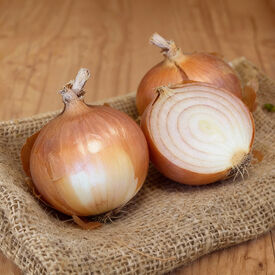
Caliber is a late-season yellow long day for the western United States known for vigor, disease resistance, yield, and storage capabilities. Caliber is a Celebrate hybrid with a healthy plant with solid roots and strong and erect tops that assist in providing thrips tolerance and make applications easier. Caliber has a consistent rich bronze scale in super colossal bulbs with single centers that do very well with a mechanical harvest. Caliber has a reputation for storing very well long term. Disease Ratings: HT to Pink Root and Fusarium, T to Bolting and HT for Thrips
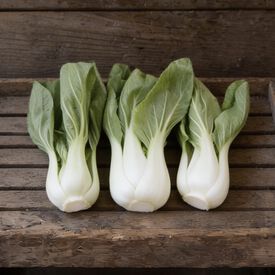
White Stem Pak Choi, also known as Bok Choy or Pak Choi, is a versatile and popular Asian cabbage variety with origins in China. This leafy green vegetable has been cultivated for centuries, appreciated for its tender leaves and crisp, white stems. Characterized by its vibrant green, broad leaves and smooth, white stalks, White Stem Pak Choi is both visually appealing and nutritious. The flavor is mild and slightly sweet, making it a popular choice in stir-fries, soups, and salads. Harvesting typically occurs 45-60 days after planting, when the plants reach a height of about 12-18 inches, and can be done by cutting the entire plant or picking individual leaves. White Stem Pak Choi thrives in cooler weather, preferring well-drained soil and full sun, making it suitable for spring and fall planting. Its rapid growth and ability to produce multiple harvests, combined with its rich content of vitamins A, C, and K, make it a favorite among gardeners and cooks alike. Overall, White Stem Pak Choi is valued for its crisp texture, mild flavor, and adaptability in a variety of dishes.
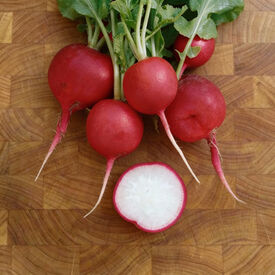
Crimson radish is a vibrant and flavorful variety of radish that stands out for its striking color and crisp texture. Originating from traditional radish cultivars, Crimson radish has been cultivated for its eye-catching appearance and peppery taste. This variety is known for its round, smooth roots, which boast a deep red to crimson skin and a white, crunchy interior. The flavor is typically sharp and tangy, with a satisfying bite that enhances salads, sandwiches, and garnishes. Crimson radishes generally mature in about 25 to 30 days, making them a quick and rewarding crop for gardeners. The plants exhibit a compact, upright growth habit, growing to a height of about 6 to 12 inches with a spread of 6 to 8 inches. They thrive in cool weather and well-drained soil, preferring full sun to partial shade. Their rapid growth and ease of cultivation make them ideal for successive plantings, providing a steady supply of fresh radishes throughout the growing season. With their vibrant color, crisp texture, and zesty flavor, Crimson radishes are a popular choice for adding both visual appeal and flavor to the garden and kitchen.
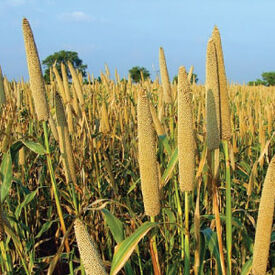
The Pearl Millet is a very tall grass that can reach to be 15 feet tall that is used as a multiple cut forage grass and green manure. This grass is high in protein, digestible and free of prussic acid. The Pearl Millet is perfect used for hay, pasture and silage for feeding cattle, horses, goats and other livestock. The Pearl Millet is also a very good green manure that is well adapted to low soil moisture, low fertility and high temperatures. Uses: Erosion Control, Green Manure, Nitrogen Scavenger, No Till, Organic Matter (Biomass), Weed Suppression
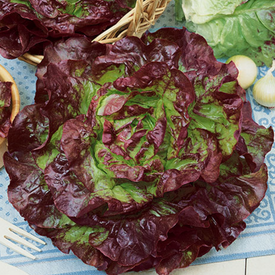
Carmona Red is a favorite among many market growers! This lettuce variety produces big, bright red heads with lime green hearts. The Carmona Red has a nice silky texture and is very disease resistance.
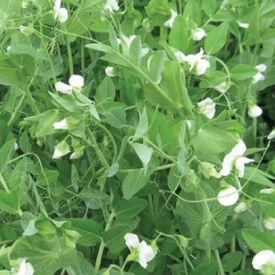
The Austrian Winter Pea, sometimes called black pea or field pea, is a great cool season legume for cover crops, wildlife and winter grazing! This cool-season, annual legume has good, nitrogen-fixing capabilities. The Austrian Winter Pea is a low-growing, viny legume which has been shown to fix over 200 pounds of nitrogen per acre per year. It has hollow, slender and succulent stems, 2 to 4 feet long. The foliage is pale green, and the flowers are colored, usually purple, pink or reddish. Uses: Chicken forage, deer attractant, forage, green manure, nitrogen fixation, no till, organic matter (biomass), weed suppression