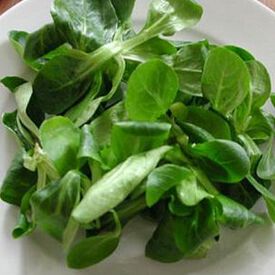
Vit Mâche, also known as corn salad, lamb’s lettuce, or mâche, is a cool-season leafy green with a long history in Europe, where it was foraged in fields and vineyards before becoming a cultivated crop in the 17th century. This compact plant forms small rosettes of tender, spoon-shaped leaves that are deep green and naturally high in vitamins A and C. Its flavor is mild, slightly nutty, and gently sweet, making it a favorite for winter and early-spring salads. Mâche thrives in cool weather, germinating best in fall or early spring, and prefers rich, well-drained soil with consistent moisture. It’s cold-tolerant enough to survive light frosts, allowing gardeners to harvest the delicate rosettes over a long season with minimal care.
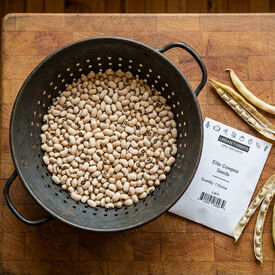
The Elite cowpea is a bush type cream southern pea that produces heavy yields of 7" pods with cowpeas that are delicious and easy to shell. This cowpea is one of the most productive of all the cream peas. If you are using for Nitrogen fixation we highly recommend using a cowpea inoculant. Try with cowpea inoculant for maximum Nitrogen fixation.
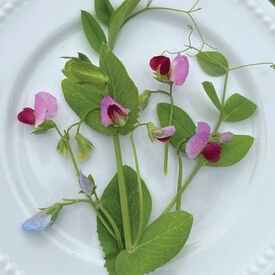
The Dwarf Grey Sugar Pea is one of our customer favorite peas! Produces an abundance of attractive purple and blue flowers. These flowers are edible, have a light pea flavor and look great on many dishes. The mature peas are very flavorful and is ideal for steaming, stir-frying or eating fresh out of the garden. Dwarf Grey Sugar Pea is suitable for northern and southern regions, as it is tolerant to heat and cold.
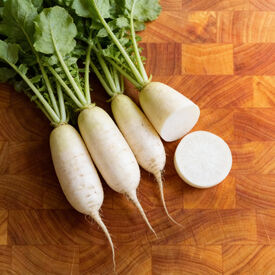
Minowase radish seeds produce a classic Japanese daikon variety with origins in East Asia, where long-rooted radishes have been cultivated for centuries for their productivity and versatility. Known for its smooth white roots that often reach 12–18 inches, Minowase features crisp, juicy flesh with a mild, slightly sweet, lightly peppery flavor that is far gentler than smaller spring radishes. Its clean taste and firm texture make it ideal for microgreens, sprouts, salads, pickling, stir-fries, soups, fermenting, and even grating fresh as a condiment. This variety grows best in cool weather and loose, deeply prepared soil that allows for long, straight roots; sow seeds directly in late summer or early fall, provide consistent moisture, thin seedlings to prevent crowding, and harvest before hard frosts for the best quality.
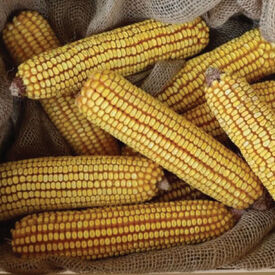
Krug Dent corn is an old commercial variety. First bred by Illinois farmer George Krug in 1921. George W. Krug started experimenting with corn in 1906 to develop a corn that would be more productive for his 100 acre estate. George started his seed line by mixing two strains called Improved World's Fair and Iowa Gold Mine with a couple of bushels of good-looking seed which he purchased at a farm sale. The qualities he selected for included weight, luster, smoothness, freedom of excessive starch and high oil content. He entered his corn in the county farm bureau yield test in 1919, and topped the field in 1920 and 1921 among 118 growers who entered these tests. Hereafter Krug Dent became famous and was sought after everywhere. George Krug however was a very modest man and did not collect a royalty from any of those using his name in producing "Krug Corn." all he wanted was a better corn for his farm.
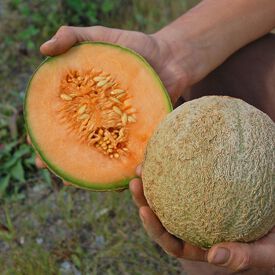
The Delicious 51 Melon produces heavy yields of early ripening, delicious fruits! This melon is a reliable producer of 2-3 lbs. fruits with heavy yields. This variety is known for its sugary flavor and aromatic smell. The juicy, perfectly sweet flesh is dark orange with creamy texture and a strong sugary flavor. Delicious 51 has thinner skin than other hybrids, but holds well for market and in storage. This variety has excellent resistance to powdery mildew and is well-adapted for northern growers. Harvest at full slip for best taste! Bred by Dr. Munger at Cornell University.
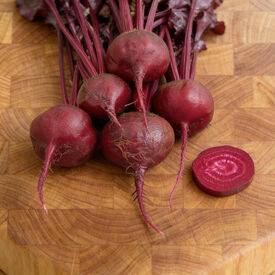
Bull's Blood beet, scientifically known as Beta vulgaris, is a striking and versatile variety of beetroot that has gained popularity for its unique characteristics. This heirloom variety has a fascinating history, dating back centuries to Europe, where it was initially cultivated for its edible leaves rather than the root. Its name, "Bull's Blood," is derived from the deep burgundy-red color of its leaves, which resemble the color of ox blood. Over time, its sweet and earthy flavor profile has made it a favorite among chefs and home gardeners alike. In terms of appearance, Bull's Blood beets typically grow to a medium size, roughly 2-3 inches in diameter, and have a round to slightly flattened shape. The seeds of this variety are easy to come by and can be sown directly in the garden or started indoors. Bull's Blood beets are relatively quick to mature, taking about 50-60 days from seed to harvest. The leaves are a deep red, while the root itself is a dark purplish-red, making it visually appealing on the plate. Bull's Blood beets exhibit some resistance to common beet diseases like Cercospora leaf spot and Downy Mildew, although specific resistance levels may vary depending on growing conditions. When properly cared for, they can yield a plentiful harvest. To ensure optimal growth, it's recommended to space the beet plants about 2-4 inches apart in well-drained soil with full sun exposure. Adequate moisture and consistent watering are essential for healthy growth. Whether you're looking to add a pop of color to your garden or enhance your culinary creations, Bull's Blood beets are a delightful choice with a rich history and vibrant character.
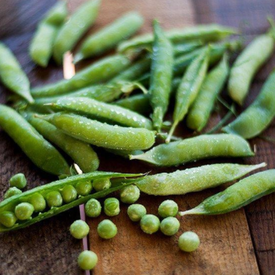
The Knight Pea is the highest yielding, early maturing pea that we have! This pea variety's vines are short and therefore require no staking. Its huge pods can grow to be 4 inches with up to 10 peas in each pod! Knight is a favorite for its tender and sweet flavor, making it the perfect side dish.
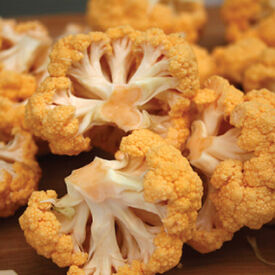
The Cheddar cauliflower lives up to its name with its awesome cheddar color and great flavor! This cauliflower is a novelty, orange curd that is high in beta-carotene. A mid-size plant, domed head, and is very productive in the fall. Fun to watch grow and eat!
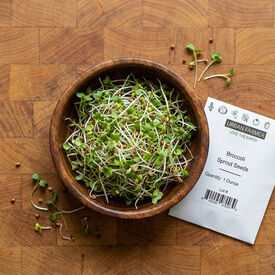
Broccoli Sprouts are a tasty treat that's very nutritious! This sprout has a high antioxidant content and contains up to 50 times the sulfurophane found in mature broccoli, by weight, so you get as much antioxidants in 1 ounce of Broccoli Sprouts as you would if you ate 3 pounds of fully grown Broccoli! Time to Sprout: 4-6 Days Flavor: Broccoli flavor with a bit of heat Nutrition: Vitamins A, B, C, E & K, Calcium, Iron, Magnesium, Phosphorous, Potassium and Zinc, Carotene, Chlorophyll, Amino Acids, & Trace Elements, Protein: 35%
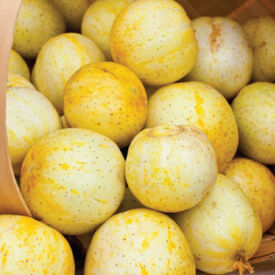
The Lemon cucumber is very tender, clean, crisp and sweet taste that is never bitter! This variety is a great cucumber for salads and pickling. Don't be fooled by this heirloom's unusual shape, these bright yellow balls are excellent for salads and pickling! This plant produces regular-sized vines that yield heavily and for a long time.
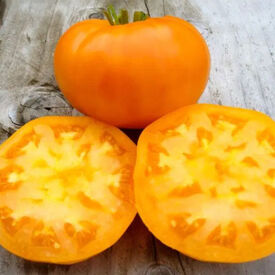
The Amana Orange Tomato is a giant 1 pound beefsteak with a unique bright orange skin and a very juicy with an intensely flavored flesh! Bite into one of these and you won't forget the first time! This very attractive colored tomato looks great with any meal. The Amana Orange tomato has become very popular since it's introduction in the 1980's.