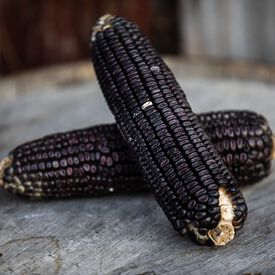
Ohio Blue Clarage corn is a historic heirloom variety known for its distinctive blue kernels and rich flavor. Originating from Ohio, this variety has been cultivated for generations and is celebrated for its adaptability and resilience in various growing conditions. The plants typically grow tall, producing medium-sized ears with strikingly beautiful blue kernels that can also exhibit hints of purple or white. The unique coloration comes from anthocyanins, which are beneficial compounds found in blue corn. This corn is often used for making cornmeal, tortillas, and other traditional dishes, prized for its sweet, nutty flavor. Ohio Blue Clarage corn is well-suited for home gardens and small-scale farms, where it can thrive with proper care. As an heirloom variety, it contributes to agricultural biodiversity and is cherished by those looking to preserve traditional crops and flavors. Its heritage and versatility make it a favorite among gardeners and chefs alike, reflecting a rich agricultural history.
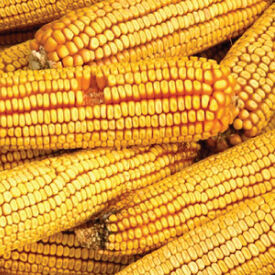
Reid's Yellow Dent Field corn is a traditional American heirloom variety known for its high yield, excellent versatility, and resilience. Originally developed in the 19th century, this corn was once a staple in Midwestern farming due to its ability to thrive in a range of soil types and climates. The kernels are large, golden-yellow, and dented, which is characteristic of field corn varieties. Reid’s Yellow Dent is primarily grown for its use in animal feed, as well as for grinding into cornmeal, flour, and masa for making tortillas, cornbread, and other baked goods. It's also popular for producing hominy and grits, and historically, it played a significant role in the production of corn syrup and ethanol. What makes Reid's Yellow Dent particularly valuable is its resilience in the field, with a high tolerance for drought and disease. This heirloom variety is open-pollinated, making it an excellent choice for sustainable farming and seed-saving. It has a robust history in agricultural development and remains a beloved variety for both small-scale and commercial farmers looking to grow an adaptable, productive crop with a deep connection to agricultural traditions.
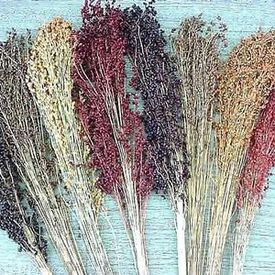
The Broom Blend is a high yielding, colorful and easy to grow corn that has been used for years in broom making. The vibrant fan-shaped seed heads come in a mix of gold, red, bronze and purple. (Does not produce ears of traditional corn.) The cut and dried mature straw can be used for a variety of crafts and dried arrangements, as well as brooms. Birds will love the seeds, too.
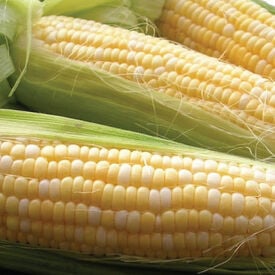
The Double Standard is the first ever bicolor, open-pollinated sweet corn on the market! This variety is an early maturing corn with strong germination in cool soil. The Double Standard was developed to grow well throughout the United States especially in Northern parts. This variety's ears grow up to 7" with 12-14 rows of yellow and white kernels. Double Standard has an excellent traditional corn taste. Its stalks grow to 5' or taller. Certified Organic. Learn more about our organic seeds.
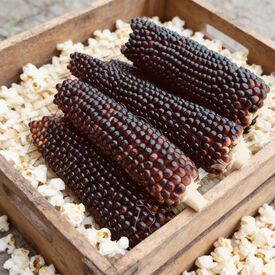
Delicious and highly ornamental, this striking popcorn features deep purple-black kernels arranged in perfect rows right to the tip. The dark, glossy ears make a standout display for fall décor and deliver excellent flavor when popped. Plants grow a sturdy 6–7 feet tall and typically produce one well-filled ear per stalk. Bred by Prairie Road Organic Farm in North Dakota, this variety is easy to grow and performs well across a wide range of climates. For best popping quality, allow ears to dry fully in the field, then finish curing indoors. A fun and rewarding choice for home gardens—especially great for kids.
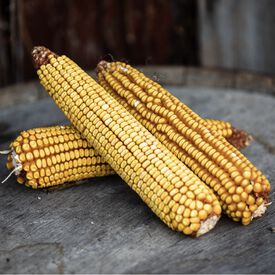
Green Field corn produces an abundance of tall (8-10') stalks with 8-9" long ears. Developed from Reid's Yellow Dent, this corn produces bright yellow, long and narrow 14-kernel row ears. Green Field was the name of the farm that this corn was first produced on. Reported yields of 190 bu/acre in the boot heel area of MO.
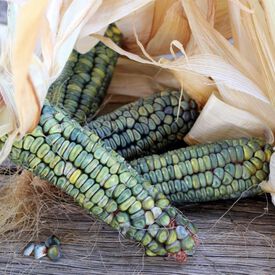
Oaxacan Green corn is a traditional heirloom variety native to the Oaxaca region of Mexico, renowned for its unique flavor and striking appearance. The kernels are a vibrant green, often taking on a bluish tint, and have a firm texture. This variety is primarily used for making masa, the dough used in tortillas and tamales, and is celebrated for its slightly nutty, sweet flavor. Oaxacan Green corn is typically a flint corn, which means it has a hard outer layer, making it ideal for grinding into flour. It thrives in warm climates and is well-suited to diverse growing conditions, often cultivated using traditional agricultural methods. This corn variety not only contributes to the rich culinary heritage of Mexico but also plays a vital role in biodiversity, making it a prized choice for both farmers and food enthusiasts seeking to preserve unique and flavorful crops.
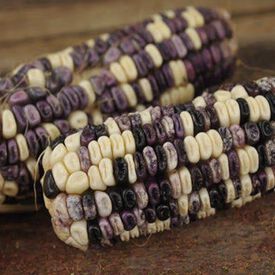
Cherokee White Eagle corn is a traditional heirloom variety cherished for its striking appearance and cultural significance. This variety features tall plants that produce long ears adorned with white, plump kernels, which can sometimes have a slight yellow or cream tint. Known for its excellent flavor, Cherokee White Eagle corn is often used in a variety of culinary applications, including grits, cornmeal, and even as fresh sweet corn. Its kernels are particularly valued for their sweetness and unique texture. This corn variety has deep roots in Native American agriculture, particularly among the Cherokee people, where it has been cultivated for generations. Its resilience to various growing conditions makes it a reliable choice for both home gardeners and small-scale farmers. Cherokee White Eagle corn not only serves as a staple food source but also plays an important role in cultural traditions and ceremonies. Its rich history and versatility in the kitchen make it a treasured heirloom variety among those who appreciate heritage crops.
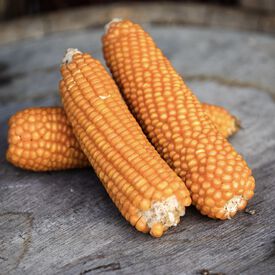
Argentino Cateto Orange Dent Corn is a traditional variety originating from Argentina, known for its distinctive orange-hued kernels. This heirloom corn features a unique dented shape, characteristic of dent corn, which results from the moisture loss in the kernels as they mature. The vibrant color not only adds aesthetic appeal but also indicates a rich nutritional profile, making it a valuable addition to both gardens and kitchens. It thrives in warm climates and is well-suited to diverse growing conditions, often appreciated by farmers for its resilience and adaptability. Culinarily, Argentino Cateto Orange Dent Corn is prized for its sweet, rich flavor, making it ideal for producing masa, polenta, and a variety of traditional Argentine dishes. Beyond its use in cooking, it is also used for animal feed and in the production of cornmeal and grits. Its robust stalks can reach impressive heights, providing a striking presence in any agricultural setting. As interest in heirloom varieties continues to grow, Argentino Cateto Orange Dent Corn stands out not just for its culinary applications but also as a testament to agricultural heritage and biodiversity.
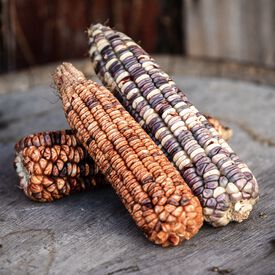
Kentucky Rainbow Dent Corn is a vibrant heirloom variety known for its strikingly colorful kernels. The kernels typically showcase a mix of hues, including yellow, orange, red, and purple, making it not only a staple for culinary uses but also an eye-catching addition to gardens. This corn is classified as a dent corn, which means the kernels have a distinctive dent on the crown as they mature. It's primarily used for making cornmeal, grits, and is often sought after for decorative purposes, especially in autumn displays. Kentucky Rainbow Dent Corn is well-adapted to the climate of the region, and its rich flavor profile makes it popular among local growers and chefs alike. The plant itself grows tall, usually reaching heights of about 12 to 14 feet, with sturdy stalks and large green leaves that contribute to its robust appearance. Overall, it’s a celebrated variety for both its aesthetic appeal and culinary versatility. History: Bred by Susana Lein of Salamander Springs Farm in Berea, KY. Originating from Daymon Morgan’s Kentucky Butcher, this dent corn was grown by generations of Daymon Morgan’s family in Leslie Co., eastern KY.