Learn More
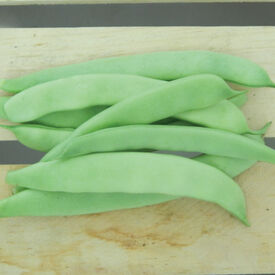
Roma II beans, also known as Romano beans or Italian flat beans, are a popular variety of green beans known for their exceptional flavor and unique appearance. These beans have a rich history dating back to ancient Rome, where they were cultivated and enjoyed for their culinary versatility. Roma II beans are distinct from traditional green beans due to their flat, wide pods and are favored by many for their tender, meaty texture and delicious taste. The taste of Roma II beans is often described as nutty and slightly sweeter than regular green beans, making them a sought-after choice in various culinary dishes. These beans are typically harvested when they are about 4-6 inches long, ensuring optimal tenderness and flavor. The plants of Roma II beans are known to be vigorous and can reach a height of about 18-24 inches. They have a relatively short maturity period, usually taking around 60 days to reach harvest readiness from the time of planting. The pods of Roma II beans are typically a vibrant green color and can grow to be 5-6 inches long. Roma II beans are prized for their resistance to common bean diseases, including common mosaic virus, rust, and bacterial brown spot, which can help ensure a healthy harvest. When properly cared for, these plants can yield a bountiful crop. For optimal growth, Roma II beans should be spaced about 3-4 inches apart in rows that are 18-24 inches apart. They thrive in well-drained soil and require full sun exposure, making them a great addition to any home garden or farm. Overall, Roma II beans are a delightful and versatile choice for those looking to grow and enjoy fresh, flavorful beans.

An All American Selection winner produces high quality pole beans. A cross between Kentucky Wonder and Blue Lake, combining the best of both parents. Kentucky Blue Pole beans produce large, straight, round 6 to 7" pods of excellent quality on 6 to 8' vines. This vigorous grower is an improvement over standard pole varieties and is ready for harvest one week earlier. The beans themselves have a delicious, tender texture and a mild, slightly sweet flavor, making them perfect for fresh eating, steaming, or stir-frying. They are also great for canning and freezing. Kentucky Blue beans are appreciated for their disease resistance and ability to produce abundantly throughout the growing season. With their stunning blue flowers and lush foliage, these beans not only provide a tasty harvest but also add visual interest to any garden!
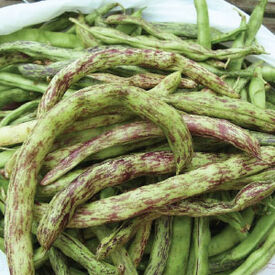
The Rattlesnake bean is absolutely beautiful and tasty. This variety is a popular, heavy producing pole bean. Great for eating fresh, freezing or canning when pods are young. Great color of dark purple stripes on top of dark green skin. A home garden standard for generations.
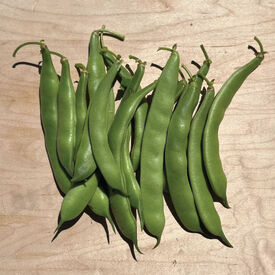
Dulcina is a bush type, flat, Italian bean. This high yielding Romano bean with its upright vine habit and concentrated pod set make it well suited for both mechanical and hand harvesting.
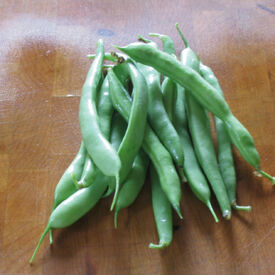
The Mountaineer White Half Runner is a tender half runner bean with succulent white seeds. It boasts terrific yields of old-fashioned, rich "beany" beans that taste and smell terrific. Vigorous plants, big yields. Stringless when young, excellent for baking.
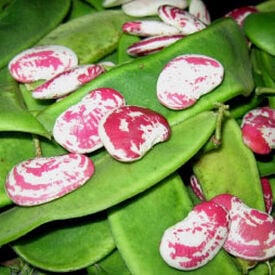
Christmas bean, scientifically known as Phaseolus vulgaris 'Christmas,' is a delightful and unique variety of green bean that adds a festive touch to holiday meals. This particular bean cultivar has a fascinating history dating back to the early 20th century when it was first developed by dedicated plant breeders. Its name, "Christmas bean," is derived from its vibrant red and green coloration, reminiscent of traditional holiday colors. In terms of taste, Christmas beans are known for their tender and crisp texture, making them a delightful addition to a variety of dishes. Their flavor is mildly sweet with a subtle nuttiness, making them a versatile choice for both cooking and salads. The beans typically mature in about 80 to 90 days, making them a relatively quick-growing option for gardeners. The pod size is medium to large, with an average length of 6-7 inches, perfect for harvesting when they are young and tender. Christmas bean plants need staked and can grow up 10' and higher! They are known for their disease resistance, particularly against common bean diseases such as rust and bean mosaic virus. When properly cared for, Christmas bean plants can yield an abundant harvest, with each plant producing a substantial number of pods. For optimal growth, they require well-drained soil, full sun exposure, and regular watering. Plant spacing should be about 4-6 inches apart in rows, and they thrive in a variety of climates, making them a popular choice for gardeners looking to add a festive touch to their holiday season while enjoying a bountiful harvest of delicious, colorful beans.
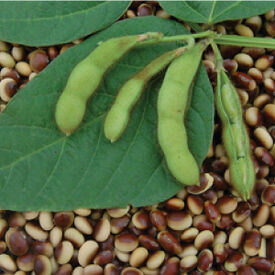
The Agate is an excellent tasting edamame heirloom with high yields. Agate was originally introduced to the U.S. from Japan in the 1920's. This variety produces high yields of small olive green seeds with brown saddles.
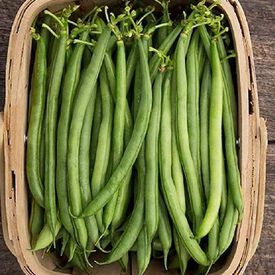
Seychelles beans are a vibrant and unique variety of green beans, renowned for their striking appearance and exceptional flavor. These beans are characterized by their slender, bright green pods, which typically grow to around 5 to 6 inches in length. The plants are known for their vigorous, climbing growth habit, making them ideal for vertical gardening with the support of trellises or poles. Seychelles beans are praised for their crisp, tender texture and slightly sweet, fresh taste, which enhances a variety of dishes from salads to stir-fries. They thrive in warm weather and full sun, growing rapidly and producing a bountiful harvest. Additionally, Seychelles beans are noted for their resilience and ability to adapt to different soil conditions, ensuring consistent and reliable yields. Their distinctive look and delicious flavor make Seychelles beans a standout choice for gardeners looking to add both beauty and taste to their vegetable gardens. All American Selection winner. Seychelles bean plants typically reach a height of 6 to 8 feet, making them well-suited for climbing and requiring support from trellises or poles. They are a productive variety, with a relatively quick turnaround from planting to harvest. The beans usually mature in about 55 to 60 days from sowing, providing a bountiful and consistent crop in a relatively short growing period. This combination of height and fast maturity makes Seychelles beans an excellent choice for gardeners looking to maximize space and enjoy a swift harvest.
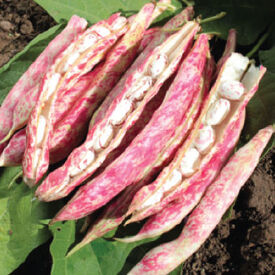
Tongue of Fire is a great market bean with a vibrant red and cream speckled color! This bush bean is not only beautiful, but it is a very tasty bean! The fresh shell beans are large and round shaped. 6-7" stringless pods are great young. An Italian bean that can be eaten fresh, frozen or canned.
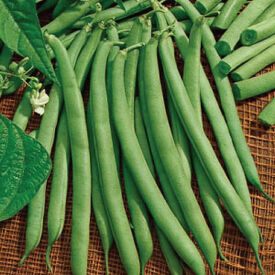
The Harvester bean has tender pods growing as long as 6". The bean pods are high off the ground for easy picking. The plant is very hardy and grows very straight. Harvest early for stringless beans. Excellent taste and easy to grow.
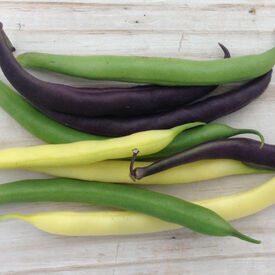
The Colorful Garden Blend is a beautiful and delicious mix of green, purple and yellow garden beans. A fun way to grow a beautiful mixture of garden beans. This gourmet blend is excellent for fresh eating and canning. All bush varieties that are high yielding and mature around the same time! Even mix of Slenderette, Royal Burgundy Purple and Cherokee Wax.
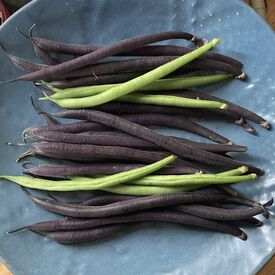
The original purple filet bean. Produces high grade beans are 4–5" long with straight, slender, vibrant purple pods. Medium-size upright plants yield small, light brown seeds. Bush bean. When cooked the beans turn green. High resistance to bean mosaic virus and halo blight.
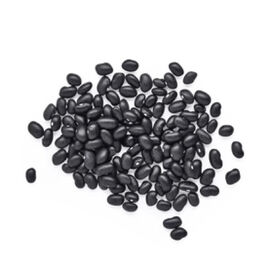
Oaxacan Black beans (Frijol Negro de Oaxaca) are a beloved heirloom variety native to the southern regions of Mexico, particularly the state of Oaxaca, known for their deep black color and rich, earthy flavor. These beans are highly regarded for their creamy texture when cooked and their ability to hold their shape in a variety of dishes. Often used in traditional Oaxacan cuisine, they are a key ingredient in stews, soups, and as a filling for tamales and tacos. Oaxacan Black beans are not only cherished for their culinary versatility but also for their resilience in the field, as they thrive in the region’s dry, high-altitude conditions. With a history dating back centuries, these beans are an important part of the local food culture and are also prized by farmers for their drought tolerance and ability to enrich the soil. Growing Oaxacan Black beans from seed allows gardeners to connect with a piece of Mexican heritage while enjoying the rich flavor they bring to meals.
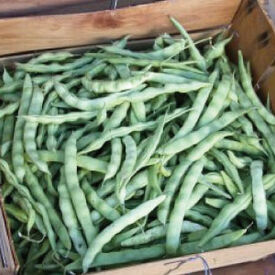
The McCaslan 42 bean is one of the oldest heirloom varieties around! The medium green pods reach eight inches long and produce meaty, slightly flattened beans of superb quality. An old Southern favorite introduced in 1912 by the McCaslan family of Georgia. The vines produce prolifically throughout the growing season. Great dry or as a snap bean. Seeds are ivory-white, oblong and flat. A great cooking and canning bean.
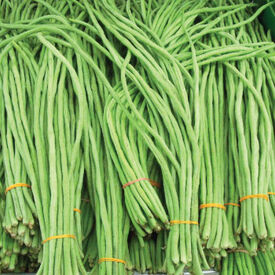
The Yard Long White is a very long bean stalk from Asia. Yard Long Bean produces high yields of flavorful very long stringless white beans. This variety is a favorite because of it's sweet and tender taste. This is the white seeded variety.
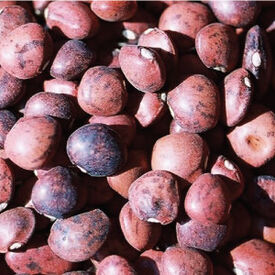
The Dixie Speckled Butterpea is a very productive and tasty lima bean. Smaller beans are about the size of peas. Speckled of red on a deep purple body. Great for Southern states with hot weather. Delicious when picked young. Great for hot climates. Smaller lima bean.
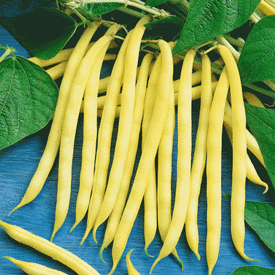
The delicious buttery flavor of the Golden Wax Bush Bean make it a favorite among home gardeners! The stringless bright yellow pods are resistant common bean mosaic virus. The plant can produce pods 5-6 inches long. The Golden Wax beans are wonderful for canning, freezing and as a dry shell bean!
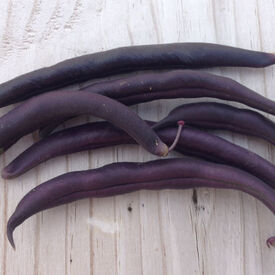
Royal Burgundy beans, also known as purple bush beans, are a unique and visually striking variety of Phaseolus vulgaris, the common garden bean. These beans have a rich history dating back centuries, with their origins believed to be in Central and South America, where indigenous peoples cultivated various types of beans. The name "Royal Burgundy" reflects their regal appearance, as the pods and beans are a deep, royal purple color. They gained popularity in the United States during the 1980s and have since become a favorite among gardeners and culinary enthusiasts alike. In terms of taste, Royal Burgundy beans offer a mild, slightly nutty flavor that is reminiscent of traditional green beans. However, their vibrant purple color adds a striking visual element to dishes, making them a popular choice for salads and garnishes. The pods are typically around 4-6 inches in length and are harvested when they are young and tender, before the seeds inside fully develop. Royal Burgundy bean plants are compact and bushy in nature, making them well-suited for smaller gardens and containers. They typically reach a height of about 18-24 inches. These beans are known for their relatively quick maturity, with most varieties ready for harvest in approximately 50-60 days after planting. Their vibrant purple color is not only appealing but also serves as a natural indicator of freshness. Royal Burgundy beans exhibit good resistance to common bean diseases such as bean mosaic virus and rust. When properly cared for, these plants can yield a bountiful harvest. Yields can vary, but on average, you can expect a productive harvest of 2-3 pounds of beans per plant. Plant spacing should be around 2-4 inches apart in rows that are spaced about 18-24 inches apart. They thrive in well-drained soil with full sun exposure and regular watering, making them a relatively easy and rewarding addition to any vegetable garden.