Humulus lupulus, Hop Seeds
Key Attributes




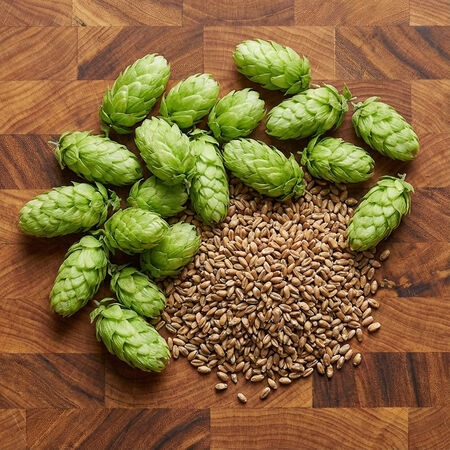
Humulus lupulus, commonly known as hops, is a vigorous perennial climbing plant that can reach heights of nearly 20 feet in a single growing season, growing at a moderate to fast rate. Hardy to USDA Zone 5 and tolerant of frost, hops reliably return year after year. The plants produce fragrant flowers from July through August, followed by seed ripening in early fall from September to October. Beyond their ornamental appeal, hops are valued for their ability to attract wildlife and have a long history of use in herbal and pharmaceutical applications. Most famously, hops are an essential ingredient in beer, prized for the distinctive aroma, flavor, and bitterness they contribute to brewing.
Growing Note: Hops grown from seed will produce both male and female plants. Once the plants begin to flower, it’s important to identify and remove the males, keeping only the females, as only female plants produce the hop cones used for brewing and other purposes. Male hop plants can be recognized by their drooping, branched clusters of small, simple flowers with five sepals and short stamens, resembling catkins. In contrast, female plants develop the familiar cone-shaped flowers that are harvested as hops.
Key Attributes
Product Details
Weight
0.01Depth
0.15Height
4.5Width
3.25Plant Height
5-10'Botanical Name
Humulus lupulusSeed Type
SeedSeeds Per Gram
35Seeds Per Pound
15,680Packet
20 SeedsSeeds Per Ounce
980Breed
Open-pollinatedSun
Full SunLife Cycle
PerennialSow Method
TransplantCategories
FlowersDays To Maturity (# Days)
120Components
Growing Instructions
 Learning Download: How to Grow Humulus
Humulus is commonly known as hops, which are used mainly for brewing beer and they are what gives the beer its balance and depth, as well as adding bitterness. These plants are considered a rapidly growing perennial bine.
Before Planting: Hops can live up to 50 years, so be sure to plant them in a space you don’t mind them living in for a while.
Planting: When it comes to planting hops, plant three to six rhizomes two inches below the soil’s surface and space them three to five feet apart.
Watering: Make sure you water the hops plenty, because they require a lot of water, especially in their first year. It is best to establish a drip-irrigation system.
Fertilizer: Apply a nitrogen-heavy fertilizer to the plants in the late spring or early summer, and it can be applied as a commercial fertilizer, manure or organic matter.
Days to Maturity: Hops are ripe when the cones are light, dry and spring back easily when squeezed lightly. They should smell like a mix between cut grass and an onion.
Harvesting: For the first year, pick the cones off the bine and don’t cut the bine until it does. Following years, cut the bine down completely to harvest the hops.
Tips: Mature hops plants will require root pruning each spring, and the plant also will need to be trained to climb.
Shipping Schedule
Our Seed Promise
 "Agriculture and seeds" provide the basis upon which our lives depend. We must protect this foundation as a safe and genetically stable source for future generations. For the benefit of all farmers, gardeners and consumers who want an alternative, we pledge that we do not knowingly buy or sell genetically engineered seeds or plants.
The mechanical transfer of genetic material outside of natural reproductive methods and between genera, families or kingdoms, poses great biological risks as well as economic, political, and cultural threats. We feel that genetically engineered varieties have been insufficiently tested prior to public release. More research and testing is necessary to further assess the potential risks of genetically engineered seeds. Further, we wish to support agricultural progress that leads to healthier soils, to genetically diverse agricultural ecosystems, and ultimately to healthy people and communities.
To learn more about the "Safe Seed Pledge" please visit www.councilforresponsiblegenetics.org.