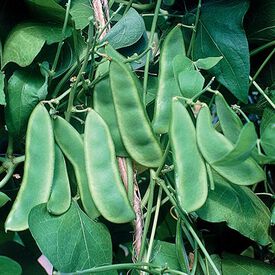
The small Woods Prolific Lima Bean is perfect for canning, freezing and as a dry bean! The bean plant produces thick green pods with small creamy white seeds. Each pod contains about 3 to 4 seeds. The Woods Prolific Lima Bean prefers full sun and has early to mid maturity and produces continuously until frost.
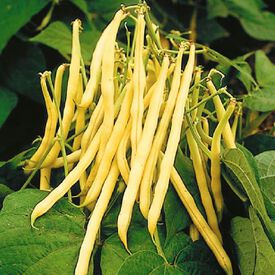
The Pencil Pod Black Wax bean is a highly productive and long standing bush bean. Also known as 'Eastern Black Wax', these beans are bushy, vigorous, and resistant to rust and mosaic virus. The pods are golden color and grow to 5-7" long. A great all-purpose type, that is great fresh, canned, or frozen. As the name hints, the seeds are black.
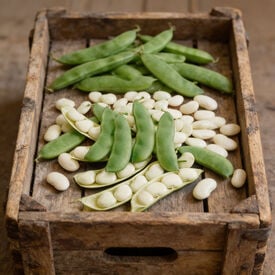
The Eastland bean, scientifically known as Phaseolus vulgaris 'Eastland,' is a popular variety of bush bean that hails from the United States. It is highly esteemed for its exceptional taste and ease of cultivation. Eastland beans belong to the family Fabaceae and are a warm-season crop commonly grown in gardens and small-scale farms. In terms of taste, Eastland beans are celebrated for their tender, crisp texture and rich, earthy flavor. They are a delight to eat both raw and cooked. The pods of Eastland beans are of medium size, typically measuring around 4-5 inches in length. The plants themselves are compact and bushy, making them suitable for smaller gardens and spaces. These beans have a relatively short maturity period, typically taking around 70-75 days from planting to harvest. The beans are known for their vibrant green color, making them visually appealing as well. Eastland beans are generally resistant to common bean diseases such as bean mosaic virus and rust. They are known to provide a good yield per acre, often ranging from 800 to 1,200 pounds of beans per acre, depending on growing conditions and care. Proper spacing is crucial for their growth, with plants typically spaced 3-4 inches apart in rows that are about 18-24 inches apart. These beans thrive in well-drained soil with full sun exposure and require regular watering to maintain consistent moisture levels in the soil. Overall, Eastland beans are a favorite among gardeners and farmers for their taste, disease resistance, and relatively quick harvest time.
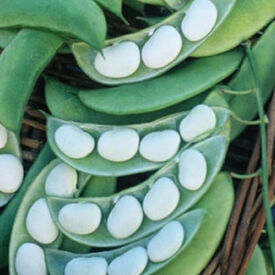
The Burpee Improved Bush Lime bean plants produce large pods, high yields, and perfectly shaped beans. Burpee Improved beans are both larger and thicker than normal lima beans. The growth is even more vigorous, with heavier foliage. The plants are uniformly upright.
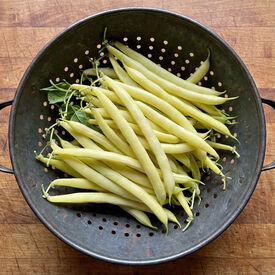
Cherokee Wax beans, also known as Cherokee Yellow Wax beans, are a popular variety of bush beans cherished for their vibrant appearance and delicious flavor. These beans are believed to have originated from the Native American Cherokee tribe, hence their name. Cherokee Wax beans are a warm-season vegetable that thrives in various climates, making them a favorite among home gardeners and commercial growers alike. Cherokee Wax beans are known for their exceptional taste, boasting a mild, slightly sweet flavor with a tender and crisp texture. They are a type of bush bean, which means they grow as compact, bushy plants that don't require support structures. The pods of Cherokee Wax beans typically measure around 5 to 6 inches in length and have a bright yellow color. These beans have a relatively short time to maturity, usually taking about 50-55 days from planting to harvest. They are highly productive, yielding an impressive quantity of beans per 10-foot row. In terms of growing conditions, Cherokee Wax beans thrive in well-draining soil that receives full sun exposure. They require spacing of about 3-4 inches between plants and should be sown in rows that are 18-24 inches apart. Cherokee Wax beans are generally disease-resistant, with some varieties exhibiting resistance to common bean diseases like rust and mosaic virus. With proper care and regular harvesting, these beans can provide a bountiful and delicious addition to your garden or dinner table.
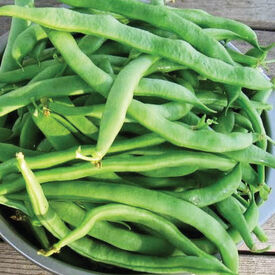
The Kentucky Wonder 125 bean is a wonderful bush bean that is above the others! Kentucky Wonder 125 Bush Bean matures early than most bush beans and produces beans in clusters over a long season. The bush beans’ meaty, medium-green pods are 8 inches and packed with delicious, extra-tasty bean seeds.
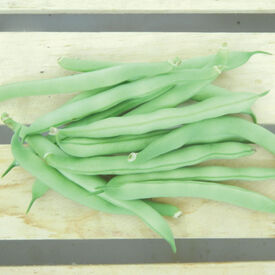
Tendergreen Improved is one of the highest yielding beans around. The Tendergreen Improved bean plant is a widely adapted home garden variety. These bean plants will produce some of the highest bean yields you'll ever see. Best eaten fresh.
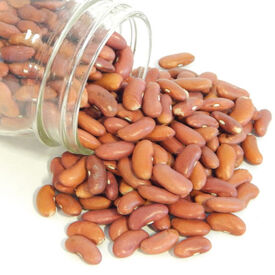
The Light Red Kidney Bean is a popular kidney bean that has mild bean flavor! Excellent for chili, bean salads, and soups. Exceptional culinary quality, with silky texture and thin skin. Plants grow to medium size that are sturdy and widely adapted. Produce well anywhere in the United States.
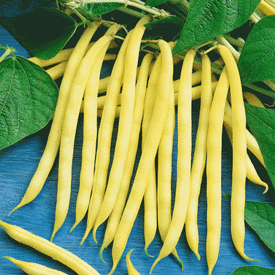
The delicious buttery flavor of the Golden Wax Bush Bean make it a favorite among home gardeners! The stringless bright yellow pods are resistant common bean mosaic virus. The plant can produce pods 5-6 inches long. The Golden Wax beans are wonderful for canning, freezing and as a dry shell bean!
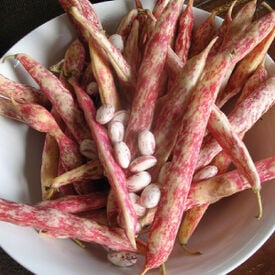
The Vermont Cranberry Shell bean is an incredible bean variety that can be used as a snap, shell or dry bean. Cranberry Shell stores exceptionally well. Maroon colored beans are decorated with darker red, cranberry markings. This variety dates back to the 1800s and is well-suited to short-season, cool summer climates.
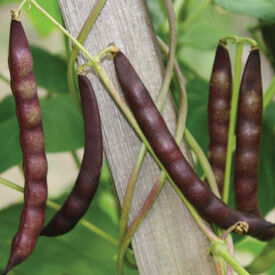
The Black Turtle Soup bean is very popular Latin favorite, that is also great in Cajun and Creole dishes. A tasty variety that grows upright with black beans inside the pod. Tall bush that keeps the bean pods off the ground.
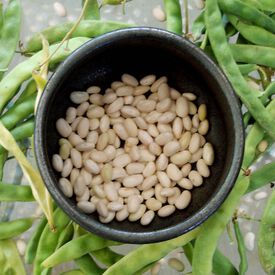
The great northern bean is an heirloom bean variety that is perfect for drying and using in different baked dishes. Semi-vining, 24 inch plants yield a prolific quantity of flat, 5 inch pods holding 5 to 6, large white beans.
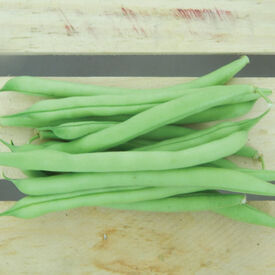
Provider beans are a popular bush bean variety that has garnered attention for its reliable performance and ease of cultivation. Developed in the United States, Provider beans have a rich history dating back to the mid-20th century, when they were bred for both home gardens and commercial production. These beans are characterized by their compact growth habit, typically reaching about 18 to 24 inches in height, which makes them perfect for small spaces and easy to manage without staking. The pods are smooth and a vibrant green color, generally growing to about 5 to 6 inches long. Known for their excellent flavor and crisp texture, Provider beans are ideal for fresh eating, canning, or freezing. Harvesting is best done when the pods are young and firm, usually in mid to late summer, ensuring the best taste and quality. The plants are vigorous and produce high yields, demonstrating good resistance to common diseases. With their dependable growth, delightful flavor, and adaptability, Provider beans remain a favorite choice for both novice and experienced gardeners.
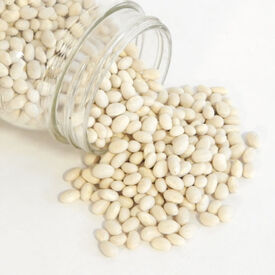
Navy beans, scientifically known as Phaseolus vulgaris, are small, oval-shaped beans that are a popular and versatile member of the legume family. They are often referred to as navy beans due to their association with the United States Navy, where they were a staple food for sailors in the 19th century. These beans have a rich history dating back to ancient times when they were cultivated by indigenous peoples in the Americas. They were later introduced to Europe by Spanish explorers and became an essential part of global cuisine. Navy beans have a mild, nutty flavor and a smooth, creamy texture when cooked. They are known for their ability to absorb the flavors of the ingredients they are cooked with, making them a favorite in soups, stews, and baked bean dishes. These beans are typically small, about half an inch in length, and are usually white or off-white in color, although there are variations with speckled or colored coats. In terms of plant characteristics, navy bean plants are relatively compact, reaching a height of about 18 to 24 inches. They have a bushy growth habit and produce small, white or lavender flowers before developing pods that contain the beans. Navy beans typically take around 80 to 90 days to reach maturity, making them a relatively quick-growing crop. They thrive in well-drained soil with good moisture retention and prefer full sun for optimal growth. Adequate spacing and support may be needed to ensure healthy plant development, and they are generally grown as annuals in most regions.
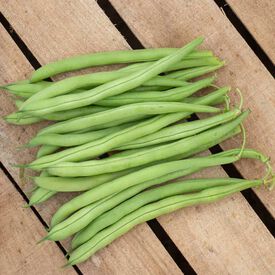
Accelerate beans are a fast-growing and highly productive variety of bush beans, celebrated for their exceptional speed to harvest and reliable performance. These beans are distinguished by their compact, bushy growth habit, which typically reaches 18 to 24 inches in height, making them well-suited for smaller gardens and container gardening. The plants produce uniform, tender pods that are usually 4 to 5 inches long, with a smooth, vibrant green color. Accelerate beans are known for their sweet, crisp texture and excellent flavor, making them ideal for fresh eating, stir-fries, or steaming. Their quick maturity, often within 50 to 55 days from planting, allows for multiple harvests within a single growing season. Additionally, Accelerate beans are praised for their resilience and adaptability to various soil conditions and weather, ensuring a bountiful and consistent crop. Their rapid growth and flavorful pods make them a favorite among gardeners seeking both efficiency and taste in their bean harvest.
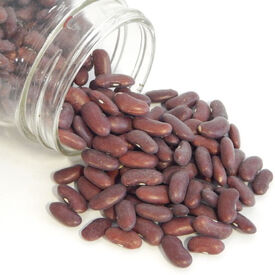
Dark Red Kidney beans are one of the most widely used beans in North America! Dark Red Kidney is a bush variety of dried bean. Each pod contains 5 large, red kidney shaped beans. If rain threatens before your beans are totally dry, pull the whole plant up, hang upside down in your barn/garage to let them finish drying. Once dry, these beans will store for a long time! This bean is often used in Mexican food.A perfect winter food full of protein straight from your own garden.
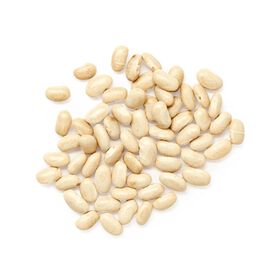
Chivo Blanco beans (Frijol Chivo Blanco) are a cherished heirloom variety native to Mexico, known for their small, white, and slightly oval-shaped beans. These beans are valued for their creamy texture and delicate flavor, making them perfect for a wide range of traditional Mexican dishes such as soups, stews, and frijoles de la olla (beans in a pot). The name "Chivo Blanco" refers to their smooth, pale appearance, and they are often praised for their ability to cook quickly and absorb seasonings well. Grown primarily in the central and southern regions of Mexico, Chivo Blanco beans are resilient to various growing conditions, thriving in both temperate and semi-arid climates. As an open-pollinated variety, they are ideal for sustainable farming and seed-saving, helping to preserve the rich agricultural heritage of Mexico while offering a reliable, nutritious source of protein for many households.
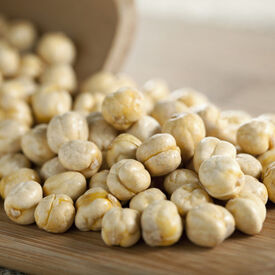
Garbanzo beans are great for making homemade hummus. This unique heirloom variety produces delicious beans. Perfect for hummus and other Middle Eastern dishes. Also great for sprouting as well. Grow for a week and eat entire plant. Very nutritious! Contains vitamin A, C, calcium, iron and magnesium. Also known as chickpea. If using for sprouting they will be ready in 3-5 days.